Why Defect Control Matters More Than Ever in Die Casting Machine Production
Abstract:
Stable injection control and rigid clamping do more for margins than peak tonnage. YIZUMI die casting machines focus on repeatable shot behavior and faster pressure response to cut flash, porosity, and hidden scrap costs before they pile up.
In die casting, productivity is easy to measure. Parts per hour, cycle time, and output numbers are always visible on the shop floor. What is harder to ignore—but often more expensive—is the hidden cost of unstable production: porosity, flash, cold shuts, dimensional inconsistency, surface defects, and scrap.
A well-matched die casting system does more than inject molten metal into a mold. It influences filling stability, pressure consistency, clamping reliability, thermal balance, and ultimately the defect rate that determines whether a production line stays profitable.
Why Die Casting Defects Are So Costly
Die casting defects are more than simple quality issues.
They often lead to higher costs, lower efficiency, and less stable production.
Scrap Cost
Every rejected casting means wasted alloy, machine time, energy, and labor.
In high-volume production, even a small increase in scrap can quickly raise total manufacturing costs.
Production Instability
When porosity, flash, or incomplete filling appears unpredictably, operators need to adjust parameters more often and inspect parts more closely.
This slows production and makes delivery performance harder to maintain.
Downstream Risk
Some castings may pass initial inspection but fail later during machining, coating, leak testing, or assembly.
These delayed defects are usually more expensive than direct scrap.
A More Important Question
Because of this, manufacturers are no longer focused only on tonnage.
They are paying more attention to how the right Die Casting Machine can help reduce defects at the source.
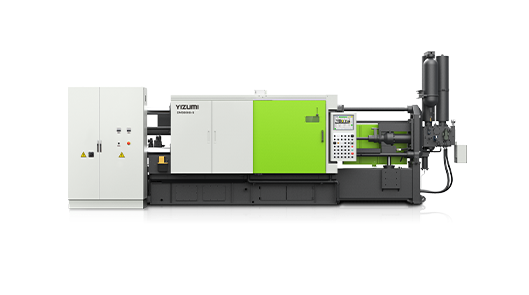
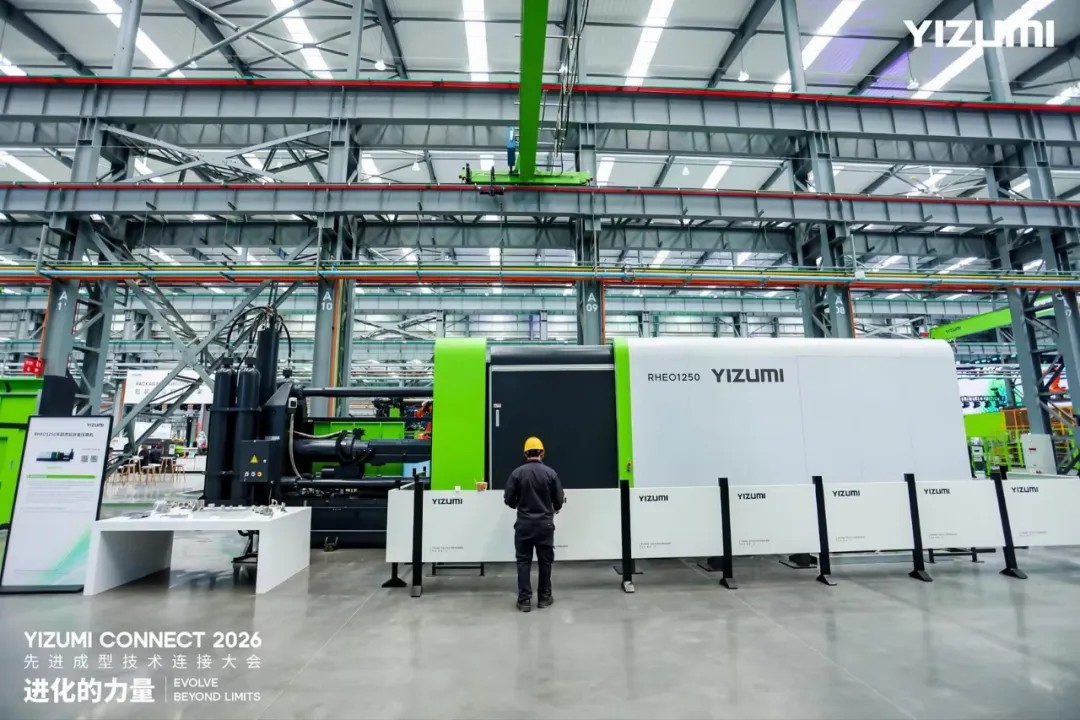
High-end Cold Chamber Die Casting Machine
Where Die Casting Defects Usually Begin
Defects rarely come from one factor alone. In most projects, they result from a combination of machine behavior, mold condition, thermal control, and process variation. Still, several root causes appear again and again.
1. Unstable Injection Performance
In die casting, the filling phase is critical. If metal flow is too slow, too fast, or inconsistent from shot to shot, defects such as cold shuts, misruns, turbulence-related porosity, and air entrapment become more likely.
When the injection system cannot maintain repeatable speed switching and pressure buildup, product quality starts to drift.
2. Inadequate Clamping Stability
Flash is one of the most common and costly issues in die casting. It is often linked to insufficient locking force, platen deformation, or poor mold matching under pressure.
Even if the mold design is sound, unstable clamping can allow molten metal to escape into the parting line, increasing trimming work and damaging dimensional precision.
3. Poor Thermal Balance
A die casting process is extremely sensitive to temperature. If mold temperature is uneven, metal solidification becomes uneven too. That can lead to shrinkage defects, surface problems, cracks, incomplete filling, or internal porosity.
Thermal imbalance is especially problematic in complex parts with thin walls, deep ribs, or varying section thicknesses.
4. Trapped Air and Gas
Many casting defects are not caused by metal alone, but by what is inside the cavity before filling is complete. If venting is poor or filling control is too turbulent, gas becomes trapped inside the casting.
The result may show up as blowholes, internal porosity, poor density, or weak mechanical performance in critical areas.
5. Process Variation Between Operators or Batches
Even when a line can produce good parts, it may not produce them consistently. Manual adjustments, inconsistent lubrication, unstable shot control, and inconsistent cycle management often create batch-to-batch variation.
This is where defect rates quietly grow over time, even when the machine appears to be running normally.
How YIZUMI Helps Reduce Defects in Modern Die Casting
A modern die casting machine should do more than complete a cycle.
It should help control filling, pressure, clamping, repeatability, and process visibility from shot to shot. That is where YIZUMI positions its die casting solutions.
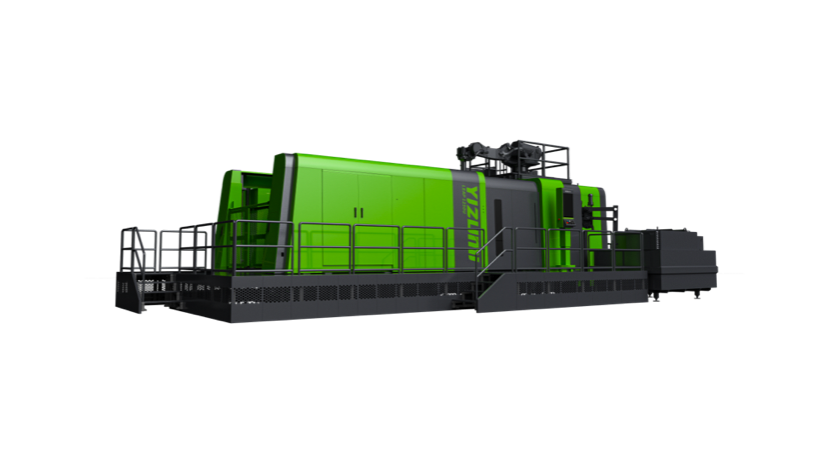
LEAP Series Die Casting Machine
Better End-of-Fill Control
YIZUMI highlights that controlling injection speed at the end of cavity filling helps reduce flash.
It also supports productivity and die life, which makes this feature valuable not only for quality control, but for long-run production efficiency as well.
Faster Pressure Build-Up
In the HII-S series, YIZUMI says pressure build-up time is improved by more than 30%.
That matters in die casting because faster and more stable pressure response helps support better filling behavior and more effective compensation in thicker or more demanding sections.
Higher Switching Precision
YIZUMI also links defect control to more accurate switching into the cavity filling phase. For the HII-S line, the company states that precision is improved by 20%; on the 180–900T models, repeatability reaches max ±2 mm, while on the 1000–9000T models, deviation between set and actual value is ≤5 mm with repeatability of ≤3 mm.
Stronger Clamping Stability
For clamping-related defects, YIZUMI emphasizes a re-engineered locking end and redesigned clamping system. The LEAP series uses a fully re-engineered toggle system for higher platen rigidity, while YIZUMI’s clamping technology also supports clamping-force detection and automatic mold adjustment.
Precise Mold Position Control
YIZUMI states that the repeatability accuracy of mold opening position can reach up to ±1 mm. That kind of positional control is important for stable mold action, cleaner operation, and more consistent process execution over repeated cycles.
Easier Process Standardization
YIZUMI does not present the machine as a standalone unit only.
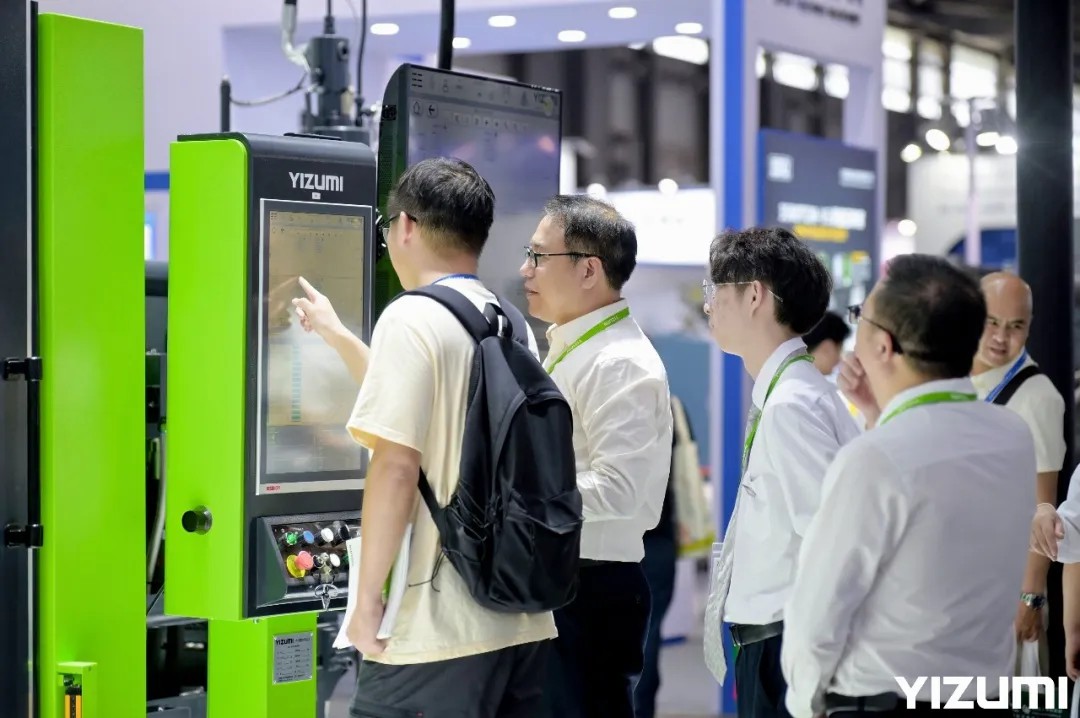
Its ORCA platform is described as using an AI core control algorithm for die-casting island integrated control, with multi-touch operation and a more visual interface that reduces learning cost and supports more standardized operation.
From Defect Reduction to Total Process Control
Instead of addressing only one issue at a time, YIZUMI combines injection control, clamping precision, digital control, and die-casting cell integration into one process framework.
That makes its Die Casting Machine solution more than a forming platform. It becomes a more complete answer for manufacturers trying to reduce flash, improve filling consistency, stabilize production, and build a more traceable die-casting process.
Conclusion
YIZUMI helps manufacturers reduce common die casting defects through more stable injection, stronger clamping, and better process control. Combined with improved venting, thermal management, and standardized production settings, this supports lower scrap, better casting consistency, and a more reliable die-casting process.
FAQ
Q1. How does a die casting machine affect scrap rate?
A: A die casting machine directly affects scrap rate through injection stability, pressure response, clamping performance, and process repeatability. When filling is inconsistent or clamping is unstable, defects such as flash, porosity, cold shuts, and dimensional variation become more likely, which increases scrap and rework.
Q2. How can clamping stability help reduce flash?
A: Flash often occurs when the mold does not remain properly closed under injection pressure. Stronger clamping stability helps maintain mold alignment and locking force during the shot, which reduces metal leakage at the parting line and lowers trimming work after casting.
Q3. What makes YIZUMI Die Casting Machines useful for defect control?
A: YIZUMI Die Casting Machines are designed to support better defect control through improved end-of-fill control, faster pressure build-up, higher switching precision, stronger clamping stability, and easier process standardization. These features help manufacturers reduce process variation and improve casting consistency.