Common Injection Molding Defects and How to Prevent Them
Abstract:
Discover the key causes of common injection molding defects, from short shots and flash to warpage, weld lines and silver streaks. Learn how machine performance, mold design, material preparation and process control affect part quality, and what to check before stable mass production.
Injection molding defects are not just cosmetic problems. A small flash on a parting line, a short shot in a thin wall, or a sink mark near a rib can lead to rejected parts, delayed deliveries, wasted material, and higher production costs.
For many manufacturers, the first reaction is to adjust the mold or change process settings. That is often necessary. But in real production, part quality is also closely connected to the injection molding machine itself. Clamping force, injection pressure, shot capacity, plasticizing stability, temperature control, and repeatability all influence whether a production line can run consistently over thousands or millions of cycles.
This guide explains the most common injection molding defects, why they happen, how to prevent them, and what machine buyers should check before choosing injection molding equipment for stable mass production.
What Are the Most Common Injection Molding Defects?
Common injection molding defects include short shots, flash, sink marks, warpage, flow lines, weld lines, burn marks, jetting, voids, silver streaks, delamination, discoloration, black specks, ejector marks, and dimensional variation.
Most defects are caused by one or more of four factors:
· Machine performance
· Mold design and condition
· Material selection and preparation
· Processing parameters
In practice, these causes often overlap. For example, flash may be caused by excessive injection pressure, but it may also be related to insufficient clamping force, poor mold fitting, or worn mold parting surfaces. Short shots may come from low melt temperature, poor venting, inadequate pressure, or an injection unit that is not properly matched to the part.
That is why defect prevention should start before mass production and in many cases, before the machine is purchased.
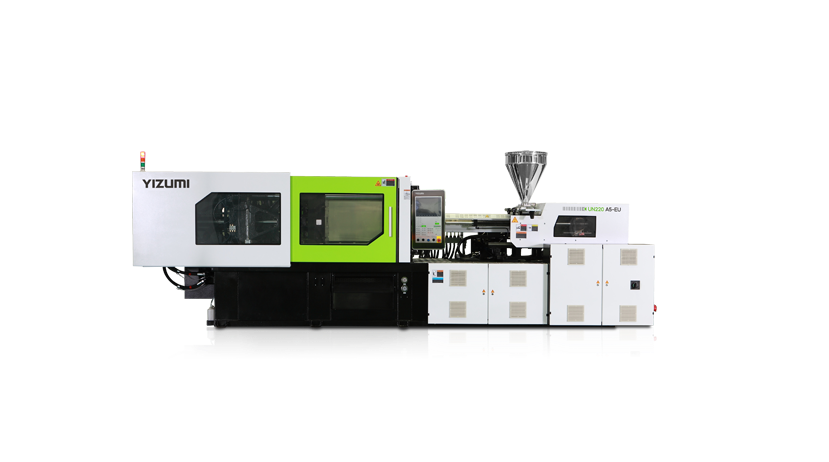
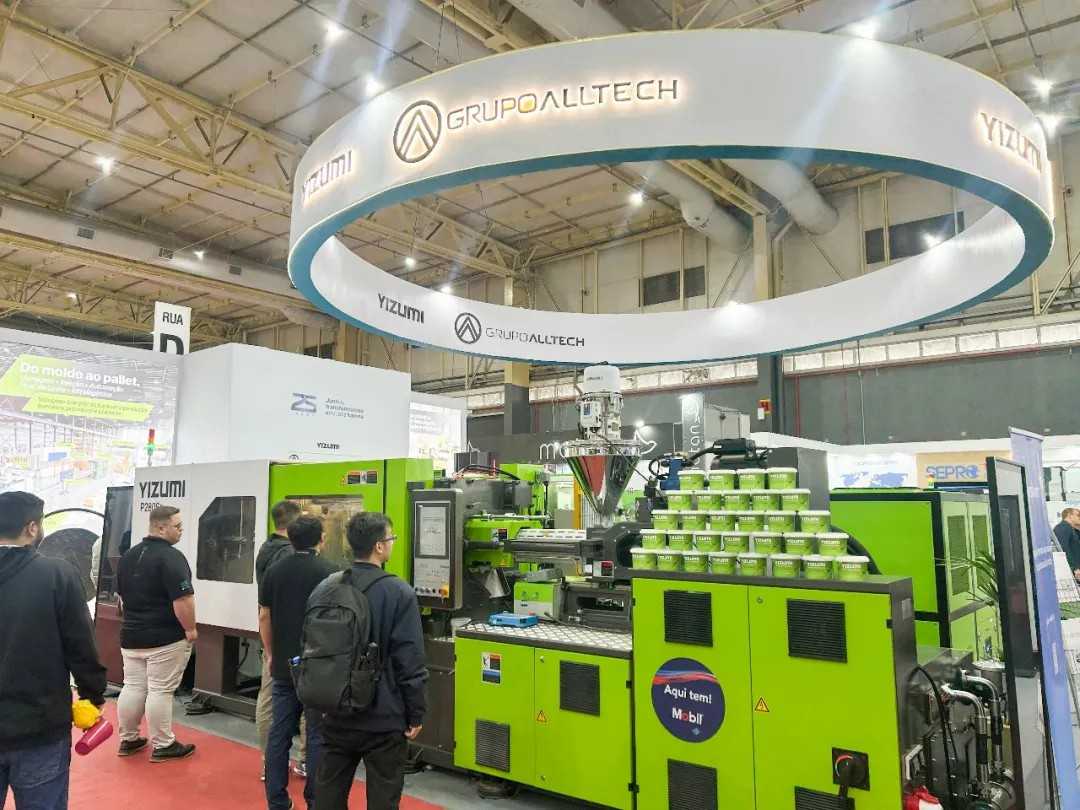
A5-EU Series High-end Servo Injection Molding Machine
Why Injection Molding Defects Happen
A useful way to troubleshoot injection molding defects is to divide possible causes into four groups.
1. Machine-Related Causes
The injection molding machine controls the basic conditions of the process. If the machine cannot maintain stable pressure, speed, temperature, and clamping performance, defect rates can rise even when the mold and material are acceptable.
Machine-related causes may include:
· Insufficient clamping force
· Inaccurate injection pressure control
· Unstable screw recovery
· Poor shot repeatability
· Worn screw, barrel, or check ring
· Inconsistent temperature control
· Inadequate plasticizing capacity
· Slow machine response during high-speed filling
For buyers, this is especially important. A machine that is “large enough” by tonnage may still be a poor match if the injection unit, control system, or plasticizing capacity is not suitable for the part.
2. Mold-Related Causes
The mold determines how plastic flows, cools, vents, and ejects. Many common defects are connected to mold design or mold condition.
Typical mold-related causes include:
· Improper gate size or gate location
· Unbalanced runners
· Poor venting
· Uneven cooling channels
· Worn parting surfaces
· Insufficient draft angle
· Poor polishing or surface finish
· Weak mold rigidity
For complex or high-volume production, mold condition should be checked regularly. Even a good process window can become unstable when a mold begins to wear.
3. Material-Related Causes
Plastic materials behave differently depending on resin type, moisture level, filler content, flowability, and thermal stability.
Material-related causes may include:
· Insufficient drying
· Moisture absorption
· Material contamination
· Incorrect resin grade
· Regrind ratio too high
· Additive or color masterbatch incompatibility
· Degradation from excessive heat
Silver streaks, bubbles, delamination, black specks, and discoloration are often linked to material preparation or material handling.
4. Process-Related Causes
Even with a suitable machine and mold, poor process settings can cause defects.
Common process-related causes include:
· Injection speed too fast or too slow
· Holding pressure too low or too high
· Cooling time too short
· Melt temperature too high or too low
· Mold temperature imbalance
· Incorrect back pressure
· Poor switchover from injection to holding pressure
A stable process window is better than a single “perfect” setting. In mass production, the process must remain stable when ambient temperature, material batches, and production hours change.
Common Injection Molding Defects and How to Prevent Them
1. Short Shot
A short shot happens when molten plastic does not completely fill the mold cavity. The part may have missing edges, incomplete ribs, or unfilled thin sections.
To prevent short shots, check the machine’s shot capacity, injection pressure, melt temperature, gate size, runner balance, and mold venting. For thin-wall or long-flow parts, stable injection speed and pressure are especially important.
Prevention tips:
· Confirm the machine shot size matches the part and runner weight.
· Increase injection pressure or speed within a safe range.
· Raise melt or mold temperature if the material freezes too early.
· Check gates, runners, and nozzles for blockage.
· Improve mold venting at the end of the flow path.
2. Flash
Flash is a thin layer of extra plastic along the parting line, holes, ejector pins, or inserts. It often comes from insufficient clamping force, excessive injection pressure, mold wear, or poor mold alignment.
To prevent flash, verify the required clamping force, avoid overpacking, inspect the mold parting line, and use a machine with stable clamping repeatability.
Prevention tips:
· Calculate the required clamping force before production.
· Avoid excessive injection or holding pressure.
· Inspect the mold parting line for wear or damage.
· Check mold alignment and platen parallelism.
· Use a machine with stable clamping repeatability.
3. Sink Marks
Sink marks are small depressions on thick sections, ribs, bosses, or screw posts. They are usually caused by uneven shrinkage, low holding pressure, short holding time, or poor cooling.
To prevent sink marks, keep wall thickness uniform, improve cooling, optimize holding pressure and holding time, and make sure the gate stays open long enough for packing.
Prevention tips:
· Keep wall thickness consistent.
· Avoid overly thick ribs and bosses.
· Increase holding pressure and holding time carefully.
· Improve cooling around thick areas.
· Make sure the gate stays open long enough for packing.
4. Warpage
Warpage means the part bends or twists after cooling. It is often caused by uneven cooling, internal stress, non-uniform wall thickness, or material shrinkage.
To prevent warpage, balance mold temperature, improve cooling channel design, avoid excessive packing pressure, and keep cycle conditions stable during mass production.
Prevention tips:
· Design uniform wall thickness where possible.
· Balance mold temperature on both sides of the part.
· Improve cooling channel layout.
· Avoid excessive packing pressure.
· Do not eject the part before it has enough stiffness.
· Use stable cycle control during mass production.
5. Weld Lines
Weld lines appear where two melt flow fronts meet. They may affect appearance and reduce part strength.
To prevent weld lines, increase melt or mold temperature within material limits, improve venting, optimize gate location, and keep the flow front hot enough to bond properly.
Prevention tips:
·Increase melt or mold temperature within material limits.
·Improve venting where flow fronts meet.
·Optimize gate location.
·Increase injection speed if the flow front cools too early.
·Move weld lines away from critical strength areas when possible.
6. Flow Lines
Flow lines are wavy marks or streaks on the part surface. They are often caused by low melt temperature, slow injection speed, poor gate location, or sudden wall thickness changes.
To prevent flow lines, adjust injection speed, raise melt or mold temperature, improve gate design, and use multi-stage injection speed control when needed.
Prevention tips:
· Increase injection speed when appropriate.
· Raise melt or mold temperature within the recommended range.
· Improve gate size or location.
· Avoid sudden wall thickness changes.
· Use multi-stage injection speed control for complex parts.
7. Burn Marks
Burn marks are brown or black marks on the part surface. They are usually caused by trapped air, poor venting, excessive injection speed, or overheating.
To prevent burn marks, improve mold venting, reduce excessive injection speed, control melt temperature, and avoid long material residence time in the barrel.
Prevention tips:
· Improve or clean mold vents.
· Reduce excessive injection speed.
· Lower melt temperature if material is overheating.
· Avoid long material residence time in the barrel.
· Check whether the material is degrading.
8. Jetting
Jetting creates snake-like marks on the surface. It happens when molten plastic enters the cavity too quickly and does not flow smoothly along the mold wall.
To prevent jetting, reduce the initial injection speed, use staged injection control, and optimize gate size, type, and location.
Prevention tips:
· Reduce initial injection speed.
· Use multi-stage injection speed control.
· Increase melt temperature if the material is too viscous.
· Optimize gate size, type, and location.
· Avoid direct high-speed flow into open cavity areas.
9. Voids and Bubbles
Voids are internal empty spaces. Bubbles may come from moisture, trapped gas, low packing pressure, or material degradation.
To prevent them, dry the resin properly, improve venting, increase holding pressure carefully, and avoid thick, uneven wall sections.
Prevention tips:
· Dry resin according to material requirements.
· Increase holding pressure and holding time carefully.
· Improve venting in the mold.
· Avoid thick, uneven wall sections.
· Reduce melt temperature if gas is caused by overheating.
10. Silver Streaks
Silver streaks appear as silver or white lines on the surface. They are commonly caused by moisture, gas, overheating, or material degradation.
To prevent silver streaks, dry hygroscopic materials correctly, keep material storage clean, reduce excessive barrel temperature, and clean the barrel before material changes.
Prevention tips:
· Dry hygroscopic materials before molding.
· Keep material storage sealed and clean.
· Reduce excessive barrel temperature.
· Check screw speed and back pressure.
· Clean the barrel and nozzle before material changes.
Application Scenarios: What Defects Matter Most in Your Industry?
Automotive Parts
Automotive parts often require dimensional stability, strength, and reliable appearance. Common issues include warpage, sink marks, weld lines, and dimensional variation.
Machine selection priorities:
· Stable clamping performance
· Accurate holding pressure
· Large mold capacity
· Repeatable process control
· Compatibility with automation
Medical Products
Medical parts require cleanliness, precision, and consistency. Common issues include black specks, contamination, flash, and dimensional variation.
Machine selection priorities:
· High repeatability
· Clean operation
· Automation compatibility
· Process monitoring
· Stable injection and ejection control
3C Electronics
Electronic components often have small dimensions, thin walls, and tight tolerances. Common defects include flash, burn marks, weld lines, and short shots.
Machine selection priorities:
· Precise injection speed control
· Accurate mold opening and closing
· Stable temperature control
· Good repeatability
High-Speed Packaging
Packaging products need fast cycles, thin walls, and stable multi-cavity production. Common defects include short shots, flash, flow lines, and cycle inconsistency.
Machine selection priorities:
· High injection speed
· Fast dry cycle
· Strong clamping response
· Reliable cooling and ejection
· Energy-efficient operation
Conclusion
Injection molding defects are easier to prevent when the whole molding system is controlled, not just one setting. Short shots, flash, sink marks, warpage, weld lines, burn marks and other defects usually trace back to machine performance, mold design, material condition or process stability. By choosing the right injection molding machine, matching shot size and clamping force, improving venting and cooling, drying materials properly and keeping process parameters stable, manufacturers can reduce scrap and improve long-run part quality.
FAQ
Q1. What are the most common injection molding defects?
A: The most common injection molding defects include short shots, flash, sink marks, warpage, weld lines, flow lines, burn marks, jetting, voids, silver streaks, delamination, discoloration and dimensional variation. These are also the defect types commonly covered by leading search results on this topic.
Q2. What causes injection molding defects?
A: Injection molding defects are usually caused by machine performance, mold design, material condition or process settings. Common issues include low injection pressure, poor venting, uneven cooling, moisture, material contamination and unstable temperature control.
Q3. How can injection molding defects be prevented?
A: They can be prevented by selecting the right injection molding machine, optimizing mold design, drying materials correctly, improving venting and cooling, and keeping pressure, speed, temperature and holding time stable during production.
Q4. Why does flash happen in injection molding?
A: Flash happens when molten plastic escapes through the mold parting line or small gaps. Common causes include insufficient clamping force, excessive injection pressure, mold wear or poor mold alignment.
Q5. What causes short shots in injection molding?
A: Short shots happen when the mold cavity is not fully filled. Common causes include low injection pressure, insufficient shot size, low melt temperature, blocked gates or runners, poor venting and poor material flow.
Q6. Can the injection molding machine affect part quality?
A: Yes. The injection molding machine affects part quality through clamping force, shot capacity, injection pressure, injection speed, plasticizing stability, temperature control and repeatability. A poorly matched machine can increase defect risk even when the mold and material are acceptable.