Comprehensive Guide to Medical Injection Molding: Technology, Materials, and 2026 Regulatory Standards
Abstract:
Medical Injection Molding (MIM) is a specialized manufacturing process used to produce high-precision plastic components for the healthcare industry. It requires strict adherence to biocompatible materials, cleanroom environments, and a rigorous "validation" culture.
Looking for a high-precision solution for medical manufacturing? Injection molding may be an excellent choice, as it delivers regulatory compliance and accuracy for healthcare innovations.
Medical Injection Molding (MIM) is a specialized manufacturing process used to produce high-precision plastic components for the healthcare industry. It requires strict adherence to biocompatible materials, cleanroom environments, and a rigorous "validation" culture.
This definitive guide explores the intersection of high-end engineering and life-saving technology. YIZUMI will introduce the solution of MIM from available materials to applications and 2026 equipment with intelligent technology.
For Medical, Why "Standard" Molding Isn't Enough
In the medical field, a deviation of a few microns isn't just a quality issue—it’s a patient safety risk.
- Sterility: A single microscopic skin cell or dust particle trapped in a molded syringe could cause a life-threatening embolism or infection.
- Biocompatibility: Medical-grade resins must be certified non-toxic and non-reactive with human tissue or medication.
- Tolerances: Devices like luer locks or catheter connectors require "zero-leak" precision.
To ensure high-precision and sterility in medical applications, enter the medical injection molding machine, which can achieve tolerances as tight as ±0.005 mm.
Applications of the Medical Injection Molding
From disposables to permanent implants, each category requires a distinct balance of material science, mold precision, and cleanroom certification. The versatility of MIM allows for this production.
Consumables: Backbone of Daily Care
Consumables are the high-volume backbone of healthcare, and must be cost-effective to produce in the millions while maintaining absolute sterility and consistency.
Common disposables include syringes, blood bags, IV connectors (Luer locks), drip chambers, test tubes, petri dishes, and microplates. These require materials with high chemical resistance and transparency.
Surgical Instruments: Precision in the Operating Room
Modern surgery is moving toward lighter, more ergonomic, and often "single-procedure" instruments. Whether ergonomic scalpel handles, forceps with slim profiles, or medical robotic end-effectors, the medical injection molding enhances the finished rate of these instruments.
High-Tech Implantables: Permanent Solutions
Implantable molding is the most regulated tier of manufacturing. Common parts include Orthopaedic joints, dental implants, and PEEK (2026 "super polymer"). These parts must be biocompatible (non-toxic to the body) and bio-stable (able to withstand the body's corrosive environment for decades). A regular injection molding machine is difficult to ensure sterility.
Medical Housings: Protection for Sensitive Electronics
Medical equipment housings must protect sensitive internal electronics from external impact while being smooth and non-porous enough to withstand aggressive chemical disinfectants.
Using medical injection molding machines, manufacturers can achieve handheld ultrasound devices without EMI/RFI, structural stability panels and protective enclosures for MRI and CT scanners, and lightweight wearable CGMs.
Common Materials Used in Medical Injection Molding
Material selection is the first line of defence in medical safety. In 2026, the shift toward minimally invasive surgery and personalised implants has pushed material science to its limits. Choosing a resin isn't just about mechanical strength; it’s about how that polymer interacts with the human body and how it survives the harsh sterilisation cycles required for patient safety.
1. High-Volume Workhorses
Medical-Grade Thermoplastics are the most common in the industry due to their ease of processing and cost-efficiency.
- ● Polypropylene (PP) is the go-to for syringes and connectors, offering excellent chemical resistance and "living hinge" properties.
- ● Polycarbonate (PC) is known for its extreme impact resistance and glass-like clarity.
- ● Polyethylene (PE) is used in joint prostheses due to its low friction and high wear resistance, mimicking the movement of natural cartilage.
2. Metal Replacements
High-Performance Polymers offer the strength of metal with the lightweight, radiolucent (transparent to X-rays) properties of plastic.
- ● PEEK (Polyetheretherketone) is the "Gold Standard" for implant-grade durability.
- ● Ultem (PEI) withstands repeated autoclave cycles without degrading or losing dimensional stability.
3. Flexibility Specialist
Liquid Silicone Rubber (LSR) is unique because it is a thermoset material, offering a level of biocompatibility and flexibility that thermoplastics cannot match. It remains flexible at extreme temperatures, is naturally hydrophobic (repels water), and is highly resistant to bacterial growth.
| Material Selection Matrix | ||||
| Material | Primary Use | Autoclave (Steam) | Gamma Radiation | EtO (Gas) |
| PP | Syringes | Limited (Warping) | Excellent | Excellent |
| PC | Masks/Housings | Good | Marginal (Yellowing) | Excellent |
| PEEK | Spinal Implants | Superior | Excellent | Excellent |
| LSR | Catheters/Seals | Excellent | Good | Excellent |
| PE | Joint Liners | Poor | Excellent | Excellent |
Key Injection Molding Techniques in Medical
Thin-Wall Molding: Used to create lightweight, compact device housings without sacrificing structural integrity.
Insert & Overmolding: Combining metal components with medical-grade plastic to create ergonomic, non-slip handles for surgical tools.
Micro-Molding: For the tiny, intricate gears used in robotic surgery platforms.
Cleanroom Molding: Production within ISO Class 7 or 8 environments, where air filtration (HEPA) and strict gowning protocols ensure zero contamination.
Keys of Medical Injection Molding Machine Selection
In the medical sector, the choice of machinery is a regulatory decision.
Zero Contamination
All-Electric Machines preferred for cleanroom applications because they eliminate hydraulic oil, the primary source of airborne contaminants in cleanrooms.
Repeatability
Electric Servo Motors provide 100% precision control over injection speed and pressure, ensuring the 1,000,000th part is identical to the 1st.
Industry 4.0 Integration
In 2026, full part traceability will be necessary. Every single molded part is linked via IoT to its specific production data (temperature, pressure, cycle time), allowing for surgical-level recalls if a deviation occurs.
Why YIZUMI Is A Trusted Medical Injection Molding Solution Expert
In the highly regulated world of medical manufacturing, YIZUMI medical injection solutions are engineered to bridge the gap between complex part design and high-volume, compliant output.
Ultra-Precision & "Zero-Defect" Drive
YIZUMI's all-electric series utilises high-resolution encoders and direct-drive motors to achieve injection weight consistency with a standard deviation of <0.1%. On the other hand, the closed-loop control system monitors and compensates for minute viscosity changes in medical-grade resins in real-time, ensuring the 1,000,000th cycle is identical to the first.
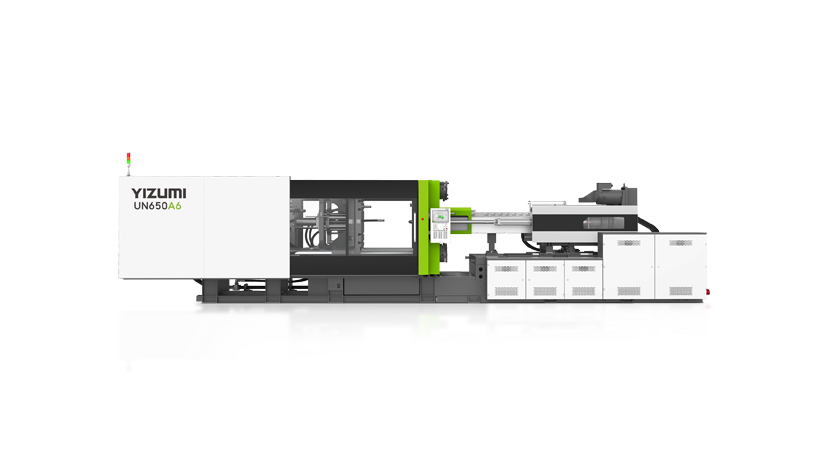
Cleanroom-Ready Engineering (ISO Class 7/8)
YIZUMI’s medical series utilises specialised non-sloughing medical paints, chrome-plated or stainless steel platens to prevent oxidation, and food-grade lubricants. The clamping units are designed with a "slim-line" geometry to minimize laminar airflow disturbance, ensuring that HEPA filtration systems in your cleanroom can operate at peak efficiency.
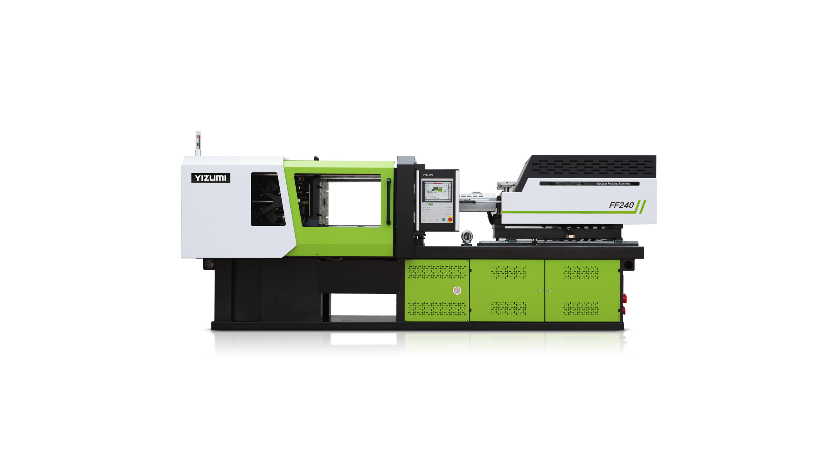
Integrated Turnkey Solutions
YIZUMI simplifies the complex medical supply chain by offering a single point of accountability. We integrate specialized medical robots (side-entry or top-entry) that maintain part orientation and cleanliness, feeding directly into sterile packaging units without human contact.
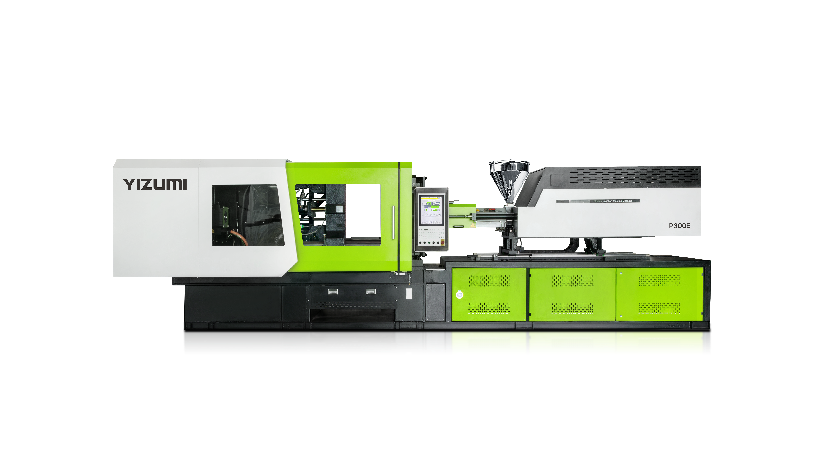
Global Support
Through our IoT-enabled platforms, YIZUMI machines monitor their own "health," alerting your team to potential component wear before a failure occurs. With a global network of service centres, YIZUMI expert technicians and critical spare parts are always within reach.
Conclusion
Future of healthcare manufacturing belongs to those who can master precision at scale. Whether you are developing the next generation of wearable diagnostics or high-volume surgical disposables, YIZUMI Medical Solutions provides the technology, the cleanliness, and the global support to turn your medical innovation into a manufacturing reality.