Electric vs. Hydraulic Injection Molding Machines
Abstract:
Electric and hydraulic injection molding machines serve different production goals. Hydraulic machines are built for large parts and high clamping force, while electric machines offer greater precision, cleaner operation, and better energy efficiency. This article compares both technologies and explains how servo-hydraulic systems help manufacturers balance performance and cost.
For decades, engineers have selected injection molding machines primarily based on power or niche precision. However, spiking energy volatility and aggressive ESG mandates have transformed efficiency from a bonus into a survival requirement. Selecting an injection molding solution is a business strategy, prioritising micron-level precision, carbon-neutral manufacturing, and long-term, application-specific ROI.
Hydraulic Machines Represent Powerhouse
With large clamping forces, hydraulic injection molding machines remain the "heavy lifters" of the manufacturing world. They are the main type used in producing large-format, thick-walled components—such as car bumpers, industrial crates, and heavy-duty fittings—where clamping forces often exceed 1,000 to 8,000 tons. However, hydraulic injection molding machines also have some drawbacks:
- High energy consumption, pumps often run even when the machine is idle
- High contamination risks, requiring large volumes of hydraulic oil, and an existing leaking risk
- High cost of thermal management, relying on high-volume water cooling
- Noise Pollution: >70 dB
- Lower precision, not
- Higher scrap rates
To combat these cons, the industry is moving toward Servo-Hydraulic systems. By using a servo motor to drive the pump, the machine only consumes energy and generates heat when the machine is actually moving, solving many of the efficiency and thermal issues while retaining the high clamping force that hydraulics are known for.
Electric Machines Is the Precision Surgeon
If the hydraulic machine is the "brute" of the factory, the all-electric injection molding machine is known for its precision, like a surgeon. They utilize digitally controlled servo motors paired with high-precision ball screws. Each motion, like clamping, injection, and ejection, is driven by its own independent motor and allows for simultaneous movements.
Pros:
- Efficiency and Perfection
- Energy Savings (30%–70%)
- High Repeatability and Lower Scrap Rates
- Superior Cleanliness (ISO Class cleanrooms)
Cons:
- Higher Upfront Investment
- Maintenance of Wear Items (ball screws and toggle clamps)
- Clamping Limitations (lower clamping forces than hydraulic giants)
Electric machines are the go-to for industries where a fraction of a millimetre is the difference between success and failure, like medical and pharma, electronics, and thin-wall packaging.
4 Keys to Choosing Your Machine
Choosing between electric and hydraulic is about which one fits your specific production floor. Use this four-step framework to make a data-driven decision.
Key 1: Part Size & Wall Thickness
For thin-walled parts or parts with deep draw depths, you generally need 3-4 tons of clamp force per square inch of the projected area. For thick-walled, shallow parts, 2 tons per square inch may suffice. If you are producing micro-parts or thin-wall connectors, All-Electric wins on speed and control.
Key 2: Cleanroom Requirements
If you are manufacturing for the Medical, Pharmaceutical, or high-end Food Packaging sectors, the decision is often made for you by regulatory standards. For ISO-certified cleanrooms, All-Electric is the industry standard. It offers a "dry" operation with no oil, significantly lower noise levels, and minimal thermal impact on the room’s climate control.
Key 3: Calculating ROI
Don't just look at the sticker price; look at your utility bill. If you operate in a region with high electricity costs (like parts of Europe or California) and run 24/7 shifts, the higher upfront cost of an All-Electric or Servo-Hydraulic machine can often reach a "break-even" point in less than 24 months.
Key 4: Tooling Complexity
Mold design determines how much "utility" you need from the machine. If your portfolio is dominated by complex, heavy-duty automotive or industrial molds, a Hydraulic or Hybrid powerhouse provides the most seamless integration.
2026 Advanced Injection Molding Solution: YIZUMI Servo-Hydraulic machine
As a molding solution expert, servo-hydraulic technology is the backbone of YIZUMI's most popular general-purpose and large-tonnage series. Unlike traditional hydraulic machines that run a pump at a constant speed, YIZUMI’s servo-hydraulic systems use a servo motor to drive the internal gear pump. This allows the motor to rotate only when movement is required, leading to energy savings of 30% to 80% compared to conventional hydraulic machines.
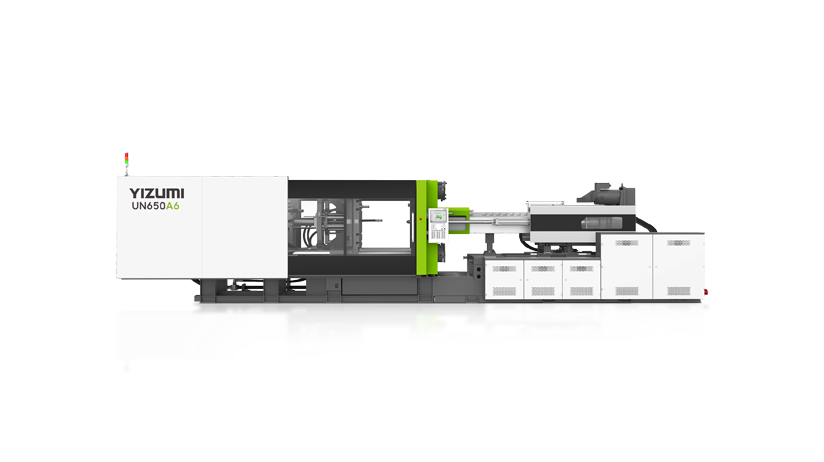
Types of YIZUMI Servo-Hydraulic Machine
| Series | Type | Key Features |
| Next-Gen A6 Series | Toggle-Clamp | Their current flagship general-purpose machine. It features 3rd-generation servo technology, AI-powered clamping force management, and Aerogel insulation for high thermal efficiency. |
| A5 Series | Toggle-Clamp | A highly established, high-end servo series known for stability and a wide processing range (available from 60T up to 2,600T). |
| D1 / DP Series | Two-Platen | Heavy-duty servo-hydraulic machines designed for large parts (automotive bumpers, crates). The two-platen design offers a compact footprint with massive clamping forces. |
| SKIII Series | Toggle-Clamp | A versatile, cost-effective general-purpose series that utilizes servo-pump technology for energy savings and repeatability. |
Core Advantages of YIZUMI Servo-Hydraulics
Energy Efficiency
The 3rd-Gen servo system significantly reduces power consumption during the "holding pressure" and "cooling" phases of the cycle.
Precision Control
Using high-accuracy encoders and the Austrian-made KEBA controller, these machines achieve mold-open repeatability within ±0.1mm to ±0.5mm (depending on the model).
Lower Heat Generation
Because the pump isn't constantly bypassing oil at high pressure, the hydraulic oil stays cooler, reducing the load on your factory's cooling towers and extending the life of the hydraulic seals.
Low Noise
The servo motor runs at very low RPMs during idle periods, making the factory floor much quieter than traditional hydraulic environments.
Conclusion
Choosing a machine is just the beginning. Whether you choose the power of the A6 Series or the precision of the FF Series, the real value lies in the Digital Intelligence behind it. Through YIZUMI’s 4.0 Intelligent Platform, both electric and hydraulic machines can now provide real-time data tracking, remote AR service, and automated quality control.