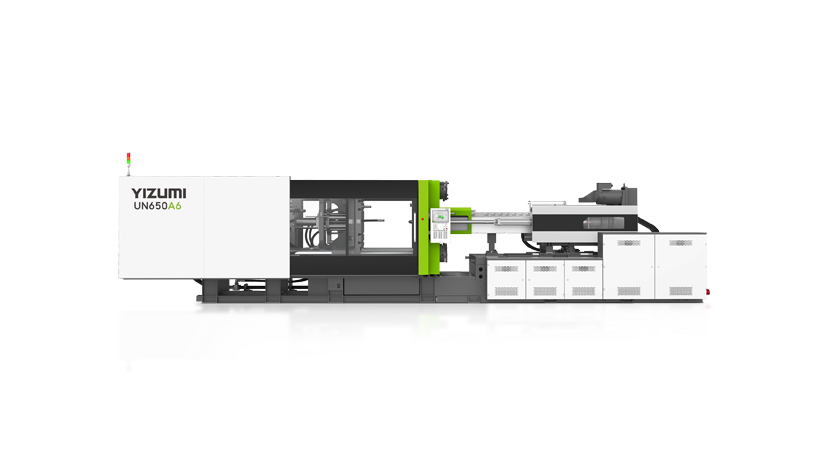
How Electric Injection Molding Machines Help Factories Significantly Reduce Energy Costs?
Abstract:
Compared with traditional hydraulic machines, electric injection molding machines can significantly reduce electricity consumption in high-volume production. They also offer cleaner operation, higher precision, and better compatibility with automation systems.
As manufacturers face rising electricity prices and tighter efficiency targets, reducing energy consumption has become a key priority in injection molding operations. Electric injection molding machines are gaining attention because they use servo-driven systems instead of continuously running hydraulic pumps, allowing factories to cut power usage, reduce waste, and improve process stability.
Compared with traditional hydraulic machines, electric injection molding machines can significantly reduce electricity consumption in high-volume production. They also offer cleaner operation, higher precision, and better compatibility with automation systems. For factories focused on lower operating costs and long-term productivity, electric injection molding machines have become an important investment.
How Electric Injection Molding Machines Reduce Energy Consumption
Traditional hydraulic Electric Injection Molding Machines rely on a continuously running pump and oil system, which generates heat, requires cooling, and wastes energy during idle periods. Electric Injection Molding Machines eliminate these inefficiencies through direct servo-motor drives:
- · On-demand power delivery: Servo motors activate only during actual motion (clamping, injection, plasticizing, or ejection), with zero idle consumption.
- · No hydraulic oil losses: There is no energy wasted on heating or maintaining hydraulic fluid temperature, and no need for large cooling systems.
- · Independent axis control: Advanced Servo Direct Control (SDC) technology allows each function to be powered separately, optimizing energy use in real time.
- · Faster response and shorter cycles: Quicker acceleration/deceleration reduces overall cycle time, boosting output while lowering per-part energy costs.
Industry data shows all-electric machines typically consume 30–60% less energy than hydraulic equivalents, especially in high-speed production. YIZUMI’s High Quality Electric Injection Molding Machines, for example, achieves 30–50% savings through servo motors paired with efficient transmission and real-time adjustments. These savings translate directly into lower electricity bills, reduced carbon footprint, and compliance with global sustainability standards—often delivering ROI within 1–2 years for medium-to-large factories.
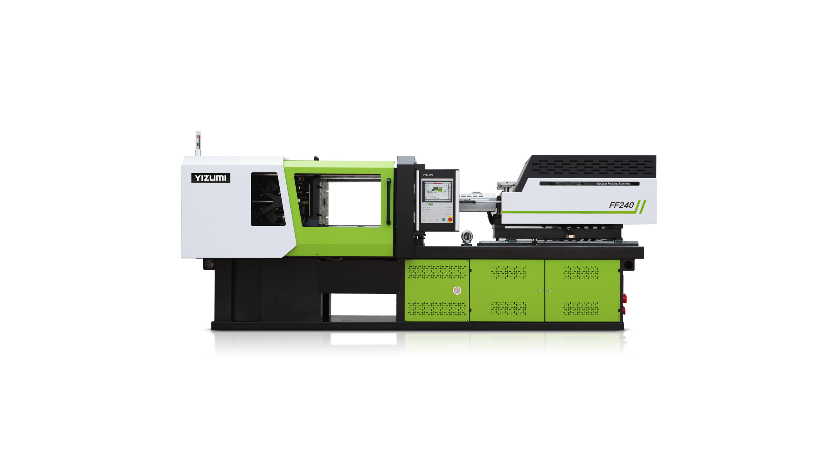
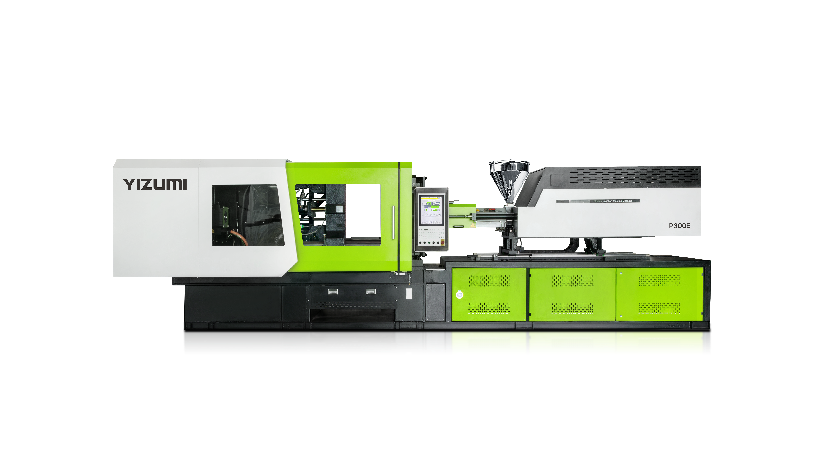
FF Series Electric Injection Molding Machine
Applications of Electric Injection Molding Machines
Electric Injection Molding Machines excel in industries demanding precision, cleanliness, and repeatability:
- · Medical and healthcare: Clean, oil-free operation suits sterile environments for syringes, implants, and diagnostic devices.
- · Electronics and connectors: Ultra-precise control (±0.1 MPa injection pressure stability) handles micro-parts and thin-wall molding.
- · Automotive components: Consistent quality for lightweight structural parts, battery housings, and interior trim.
- · Packaging and consumer goods: High-speed cycles (as low as 2–2.6 seconds dry cycle in optimized setups) support high-volume production of caps, containers, and thin-wall items.
- · Optics and high-end parts: Superior repeatability and contamination-free clamping areas meet strict tolerance requirements.
Their automation-friendly design integrates seamlessly with robots, vision systems, and Industry 4.0 platforms, making them ideal for “lights-out” factories.
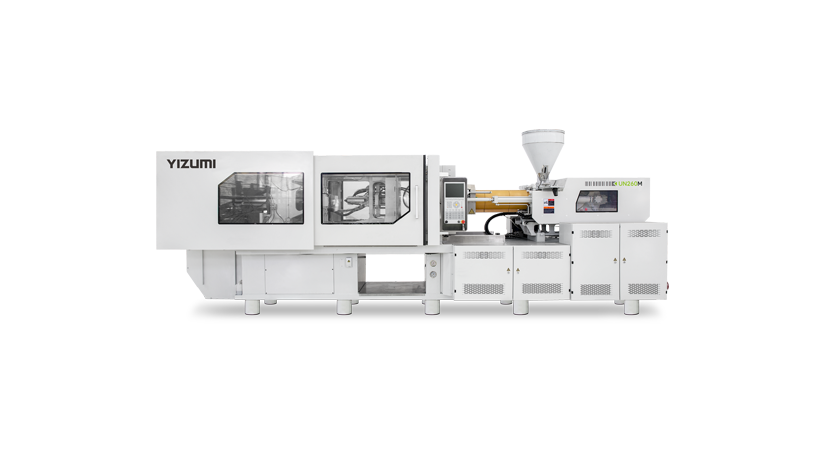
FF-M Series Injection Molding Machine Special for Medical Industry
YIZUMI’s Electric Injection Molding Machines: Proven Advantages
YIZUMI, a injection molding machine manufacturers, offers the FF Series and FF-N Series all-electric machines specifically engineered for energy efficiency and precision. The FF Series features clamping forces from 900 to 13,800 kN and delivers:
- · Superior energy efficiency: Leverages independent servo motors and SDC technology for on-demand power, aligning with the 30–60% savings typical of all-electric systems.
- · Exceptional precision and stability: Closed-loop injection control maintains ±0.1 MPa pressure accuracy; dual-cylinder parallel ejection achieves 0.2 mm position repeatability.
- · Clean and flexible operation: Tie-Bar-Free (TBF) technology creates a contamination-free mold area—critical for medical and electronics—while a built-in hydraulic pump station supports auxiliary functions without compromising core electric efficiency.
- · Smart automation readiness: European KEBA2000 controller with real-time Process Data Processing (PDP) and Statistical Process Control (SPC) enables remote monitoring, predictive maintenance, and seamless integration into smart factories.
- · Additional benefits: SMART mold protection prevents damage from foreign objects, Linear Guide Support (LGS) reduces friction for faster movements, and quiet operation improves shop-floor conditions.
These features not only cut energy costs but also reduce defects, shorten cycle times, and lower maintenance—helping factories achieve higher output with fewer resources.
Key Considerations When Purchasing Electric Injection Molding Machines
Switching to electric Electric Injection Molding Machines requires careful evaluation to maximize ROI:
- Production requirements: Match clamping force, shot weight, and injection speed to your part size and cycle time targets.
- Energy and cost analysis: Calculate payback period using your local electricity rates and projected 30–60% savings. Factor in lower cooling and maintenance expenses.
- Precision and application fit: Verify tolerances (e.g., medical-grade cleanliness or micro-molding capability) and cleanroom compatibility.
- Automation and Industry 4.0 integration: Ensure compatibility with robots, MES systems, and remote monitoring.
- After-sales support: Choose suppliers with strong local service networks, spare parts availability, and training programs.
- Total cost of ownership: While initial investment is higher than hydraulic machines, long-term savings on energy, scrap, and downtime usually outweigh the difference.
- Compliance and warranty: Check certifications for your target markets and review warranty coverage for servo motors and controllers.
- Working with an experienced manufacturer like YIZUMI can provide turnkey solutions, including mold trials and process optimization.
Conclusion
Electric injection molding machines represent a smart investment for forward-thinking factories. By delivering dramatic energy savings (30–60%), superior precision, cleaner operation, and automation readiness, they simultaneously reduce costs, boost productivity, and support sustainability goals. YIZUMI’s FF Series exemplifies these benefits with advanced SDC technology, TBF design, and intelligent controls—proven solutions that help manufacturers stay competitive in a high-energy-cost environment. Transitioning to electric Electric Injection Molding Machines is no longer optional for many; it’s a strategic move toward greener, more profitable production.
FAQ
Q1: How much energy can electric Electric injection molding machines actually save?
A: Typically 30–60% compared to hydraulic machines, depending on part geometry, cycle time, and operating hours. Real-world savings are even higher when idle time is significant.
Q2: Are electric injection molding machines suitable only for small precision parts?
A: No. Modern electricElectric injection molding machines (like YIZUMI FF Series up to 13,800 kN) handle medium-to-large parts while maintaining precision advantages.
Q3: Do electric injection molding machines require more maintenance?
A: Actually less. Fewer wear-prone hydraulic components mean lower maintenance costs and longer service intervals.