Key Features to Look for in a High-Speed Injection Molding Machine in 2026
Abstract:
By 2026, manufacturers are no longer evaluating injection molding equipment solely based on clamping force or cycle time. Instead, purchasing decisions increasingly focus on overall system efficiency, stability at high speed, energy consumption, automation compatibility, and long-term return on investment.
As global manufacturing continues to shift toward high-volume, high-precision, and highly automated production, the demand for high-speed injection molding machines is accelerating across industries such as packaging, medical consumables, consumer electronics, and daily necessities.
By 2026, manufacturers are no longer evaluating injection molding equipment solely based on clamping force or cycle time. Instead, purchasing decisions increasingly focus on overall system efficiency, stability at high speed, energy consumption, automation compatibility, and long-term return on investment.
This article explores the key features to look for in a high-speed injection molding machine in 2026, helping manufacturers, plant managers, and procurement teams make informed decisions in an increasingly competitive market.
Understanding High-Speed Injection Molding in 2026
High-speed injection molding refers to molding processes designed to achieve extremely short cycle times, often under a few seconds, while maintaining dimensional accuracy, repeatability, and part quality.
Typical applications include:
- l Thin-wall packaging containers
- l Food and beverage caps
- l Medical disposables
- l Precision consumer goods
- l High-volume plastic components
As production speeds increase, machines must perform reliably under high acceleration, rapid injection speeds, and frequent mold movements, making machine design and control technology more critical than ever.
Feature 1. High Injection Speed and Acceleration Stability
The first and most fundamental feature of any high-speed injection molding machine is its ability to deliver fast injection speed with stable acceleration and deceleration control.
In 2026, leading manufacturers expect machines to achieve:
- l Rapid injection response without pressure overshoot
- l Stable melt flow during ultra-short filling stages
- l Precise control at high screw speeds
Unstable acceleration can result in short shots, flash, or inconsistent wall thickness—especially in thin-wall applications. Therefore, machine rigidity, drive system responsiveness, and control algorithms are key evaluation points.
Feature 2. Rigid Clamping System Designed for High-Speed Cycles
At high production speeds, the clamping unit is subjected to frequent opening and closing, high dynamic loads, and continuous stress.
Key features to look for include:
- l Optimized toggle or direct clamping structure
- l High rigidity platen design
- l Uniform clamping force distribution
- l Reduced mold deformation during fast cycles
A rigid clamping system ensures consistent part quality, protects expensive molds, and supports long-term production stability—especially in 24/7 high-speed manufacturing environments.
Feature 3. Precision Control System for Repeatability
As cycle times shrink, control precision becomes even more critical. A high-speed injection molding machine in 2026 must be capable of maintaining consistency across thousands or millions of cycles.
Important control capabilities include:
- l High-resolution position and pressure feedback
- l Fast data processing speed
- l Stable closed-loop control for injection, holding, and clamping
- l Consistent repeatability even at maximum speed
Advanced control systems allow manufacturers to optimize cycle time without sacrificing product quality, which is essential for industries with tight tolerance requirements.
Feature 4. Energy Efficiency and Sustainable Operation
Energy consumption is no longer a secondary consideration. With rising electricity costs and stricter sustainability requirements, energy-efficient injection molding machines are becoming the industry standard.
In 2026, buyers should prioritize machines that offer:
- l Optimized hydraulic or servo-hydraulic systems
- l Reduced idle energy consumption
- l Intelligent energy management during high-speed cycles
- l Lower heat generation and cooling demand
Efficient energy usage not only reduces operating costs but also supports long-term ESG and sustainability goals for manufacturers.
Feature 5. Optimized Plasticizing System for High-Speed Production
High-speed molding requires a plasticizing system capable of delivering stable melt quality under fast cycle conditions.
Key plasticizing features include:
- l Optimized screw and barrel design
- l Stable melt temperature control
- l Efficient plasticizing capacity at high RPM
- l Reduced shear and material degradation
This is particularly important for thin-wall injection molding, where material flow behavior directly affects surface quality, strength, and dimensional stability.
Feature 6. Automation and Integration Capability
By 2026, high-speed injection molding is rarely a standalone process. Instead, it operates as part of an integrated automated production line.
A modern high-speed injection molding machine should support:
- l Seamless integration with robots and take-out systems
- l Compatibility with in-mold labeling (IML)
- l Easy connection to downstream packaging or inspection systems
- l Smart factory and MES connectivity
Automation-ready machines help manufacturers reduce labor dependency, improve consistency, and increase overall equipment effectiveness (OEE).
Feature 7. Machine Reliability and Long-Term Stability
High-speed operation amplifies mechanical wear and system stress. Therefore, reliability and durability are decisive factors when selecting a machine.
Buyers should evaluate:
- l Proven mechanical structure design
- l Long-term performance in high-speed applications
- l Component quality and service life
- l Stability during continuous production
In high-volume manufacturing, unplanned downtime can be extremely costly. A machine designed for long-term stability delivers predictable output and lower maintenance risk.
Feature 8. Flexible Application Coverage
While high-speed machines are often associated with packaging, many manufacturers seek flexibility across multiple product types.
A capable high-speed injection molding machine in 2026 should support:
- l Thin-wall packaging applications
- l Caps and closures
- l Daily consumer goods
- l Medical and precision plastic parts
This flexibility allows manufacturers to adapt to market changes without frequent equipment replacement.
Feature 9. Proven Manufacturer Expertise and Global Support
Beyond machine specifications, the manufacturer’s experience, engineering capability, and global service network play a critical role.
Key considerations include:
- l Track record in high-speed injection molding technology
- l Continuous R&D investment
- l Global application support
- l Availability of local service and spare parts
Choosing a reliable supplier ensures long-term production security and technical support.
YIZUMI’s High-Speed Injection Molding Machine Solutions
As an injection molding machine manufacturer, we at YIZUMI have continuously invested in high-speed injection molding technology, focusing on stability, efficiency, and intelligent manufacturing.
Our High-speed Injection Molding Machine portfolio includes multiple series designed for different application needs, such as:
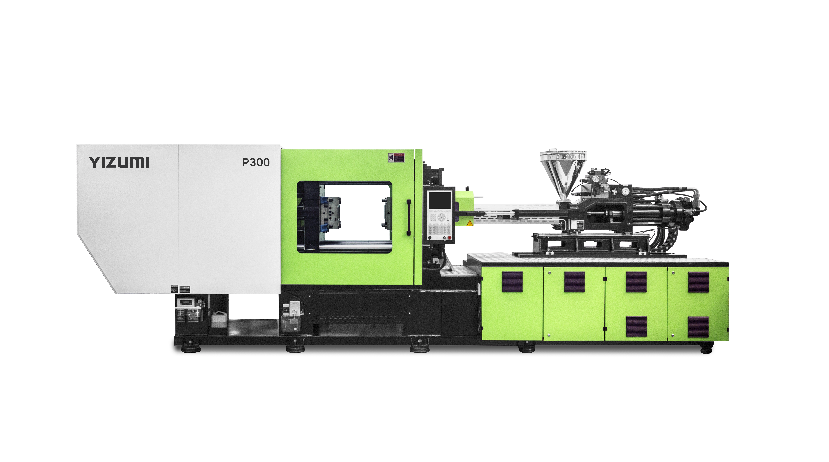
- l P Series High-speed Injection Molding Machine
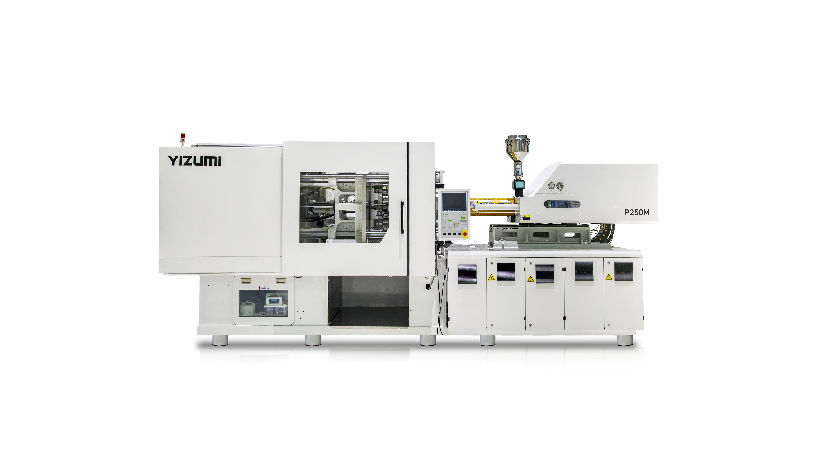
- l P-M Series High-speed Injection Molding Machine
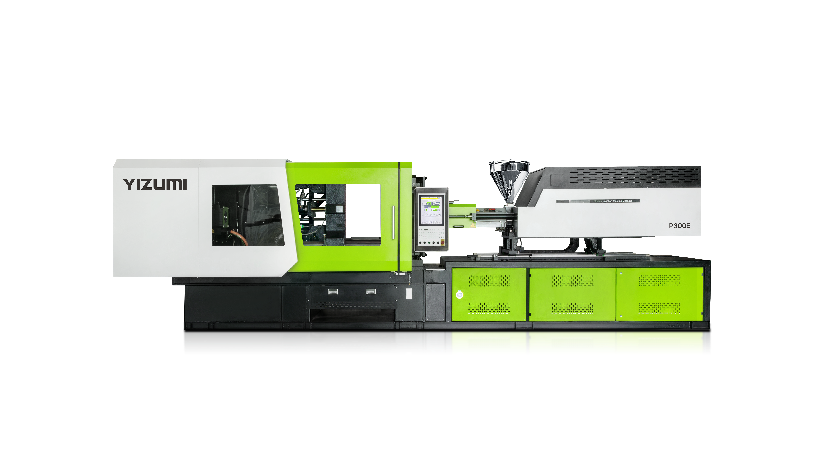
- l P-E Series High-speed Injection Molding Machine
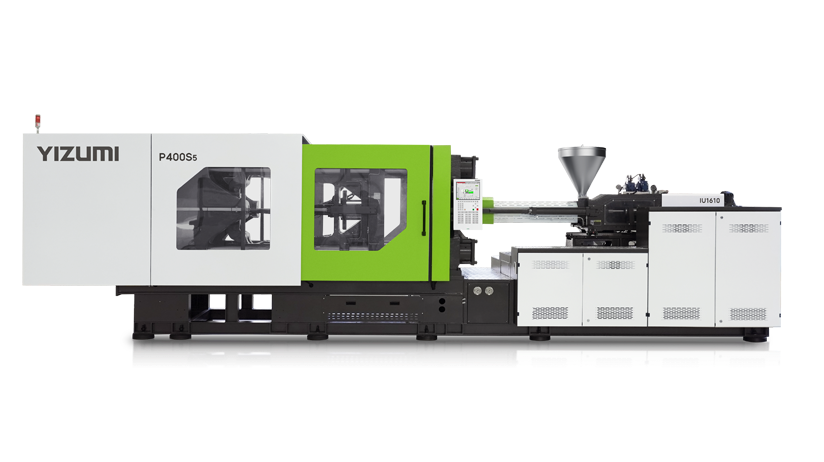
- l PS5 Series High-Speed Injection Molding Machine
Each series is developed to address specific production requirements while maintaining a unified focus on high efficiency, precision control, and industrial reliability.
Why the PS5 Series Stands Out for High-Speed Applications
Among our high-speed solutions, the PS5 Series High-Speed Injection Molding Machine is designed specifically for ultra-high-speed, high-volume production scenarios.
The PS5 series focuses on:
- l Optimized high-speed injection and clamping performance
- l Stable operation under extremely short cycle times
- l High rigidity structure suitable for demanding applications
- l Efficient system design to support continuous production
These characteristics make the PS5 series particularly suitable for thin-wall packaging, caps, and other high-output plastic products, where speed and consistency are critical.
For manufacturers seeking a dedicated high-speed solution with proven industrial design, the PS5 series represents a focused and reliable option within our portfolio.
Making the Right Choice in 2026
Selecting a high-speed injection molding machine in 2026 requires a holistic evaluation. Beyond speed, manufacturers must consider precision, reliability, energy efficiency, automation readiness, and long-term support.
A well-chosen machine can help manufacturers:
- l Shorten cycle times
- l Reduce unit production costs
- l Improve product consistency
- l Enhance overall factory competitiveness
By focusing on the key features outlined above and working with experienced manufacturers, companies can ensure their high-speed injection molding investment delivers sustainable value.
Final Thoughts
High-speed injection molding is no longer just about producing parts faster—it is about producing better parts, more consistently, with greater efficiency and intelligence.
As the industry moves toward 2026, machines that combine speed, precision, energy efficiency, and automation compatibility will define the next generation of plastic manufacturing.
At YIZUMI, we continue to develop high-speed injection molding solutions that align with these evolving demands, supporting manufacturers worldwide in building stable, efficient, and future-ready production lines.