Servo vs Hydraulic vs Electric Injection Molding Machine: A Practical Buyer's Guide
Abstract:
Servo-hydraulic, hydraulic, and all-electric injection molding machines differ in energy use, precision, clamping force, maintenance, and cost. The right choice depends on the part, mold, material, cycle time, and production goals, not just machine price or drive type.
Choosing between a servo injection molding machine and a hydraulic injection molding machine is not only about energy saving or machine price. For most buyers, the better question is whether the machine can match the part size, mold structure, precision requirement, cycle time, and long-term production cost.
Servo-hydraulic machines are often chosen for balanced energy efficiency and molding flexibility, while hydraulic machines still perform well in large parts and high-force applications. All-electric machines are better suited for clean, precise, and highly repeatable production. That is why machine selection should start from the product and production goal, not from the machine label.
Quick Answer
Choose a servo-hydraulic injection molding machine if you want a balance of energy saving, strong clamping force, stable performance, and reasonable investment.
Choose a traditional hydraulic injection molding machine if your project needs high force, large shot capacity, mature technology, and lower initial cost.
Choose an all-electric injection molding machine if your parts require high precision, clean production, fast response, and excellent repeatability.
There is no single best machine for every factory. The best choice is the one that matches your product and production plan.
Servo-Hydraulic vs Hydraulic vs All-Electric
| Factor | Servo-Hydraulic | Traditional Hydraulic | All-Electric |
| Energy use | Lower than traditional hydraulic | Usually higher | Very low |
| Precision | High for most applications | Good for general molding | Excellent |
| Clamping force | Strong | Strong | Strong, but usually chosen for precision |
| Initial cost | Medium | Lower | Higher |
| Maintenance | Hydraulic maintenance still needed | More oil, filter, seal, and leakage concerns | Lower hydraulic maintenance |
| Noise | Lower | Higher | Low |
| Best for | General parts, packaging, automotive, daily products | Large parts, thick-wall parts, budget-sensitive projects | Medical, 3C, precision parts, clean production |
What Does “Servo” Really Mean?
Many buyers search for “servo vs hydraulic injection molding machine,” but the word servo can mean two different things.
A servo-hydraulic machine still uses hydraulic oil and hydraulic components. The difference is that the hydraulic pump is driven by a servo motor. The system adjusts output according to actual demand during injection, holding pressure, cooling, mold opening, and ejection.
An all-electric machine uses servo motors to control major machine movements directly. It is usually selected for precision, speed, cleanliness, and stable repeatability.
Before comparing quotations, ask one simple question:
Are we comparing traditional hydraulic, servo-hydraulic, or all-electric?
This avoids one of the most common buying mistakes.
Energy Consumption: When Servo Makes Sense
Energy cost matters because injection molding machines often run for long hours. A published study on injection molding machines driven by five different electro-hydraulic power units found that drive system selection has a major impact on energy consumption and production cost. The study compared systems using asynchronous motors, servo motors, fixed-displacement pumps, and variable-displacement pumps, giving users a basis for choosing the right drive scheme.
A servo-hydraulic system saves energy because it does not need to run at full output all the time. During cooling or low-load stages, the servo motor can reduce output and avoid unnecessary energy waste.
Servo is usually more valuable when:
· The machine runs many hours per day
· Cooling time is long
· Electricity cost is high
· Product volume is stable
· Scrap reduction is important
· The factory wants lower noise and less heat generation
If the machine only runs occasionally, the payback period may be longer. In that case, initial investment may be a bigger factor.
Precision and Repeatability
Precision is not only about making “high-end” parts. It affects product weight, dimensions, flash, surface quality, scrap rate, and delivery stability.
Hydraulic injection molding machines can produce many general plastic parts well. But oil temperature, valve response, and hydraulic system condition may affect long-term consistency.
Servo-hydraulic machines improve control over speed and pressure, making them suitable for many medium- and high-volume applications.
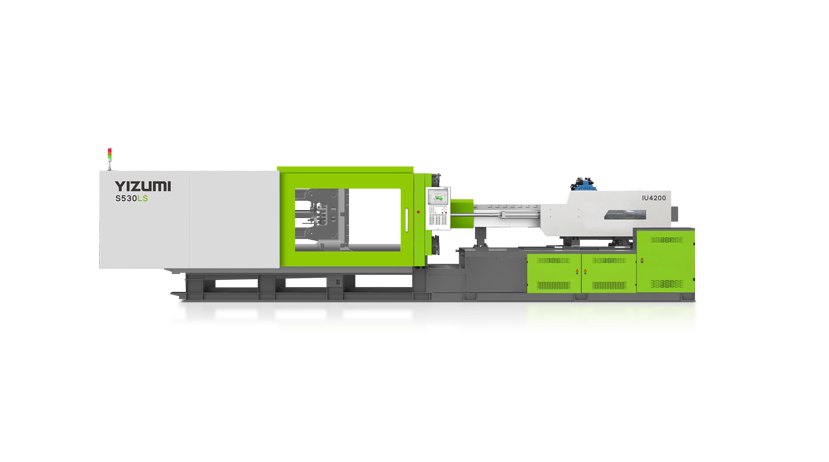
All-electric machines usually offer the strongest repeatability because key movements are servo-driven and easier to control accurately. For example, YIZUMI’s FF Series electric injection molding machine has clamping forces from 900 to 13,800 kN and uses closed-loop injection pressure control, with injection and holding pressure stability up to ±0.1 MPa.
For tight-tolerance parts, multi-cavity molds, medical components, and 3C electronic parts, this level of control can help reduce process variation.
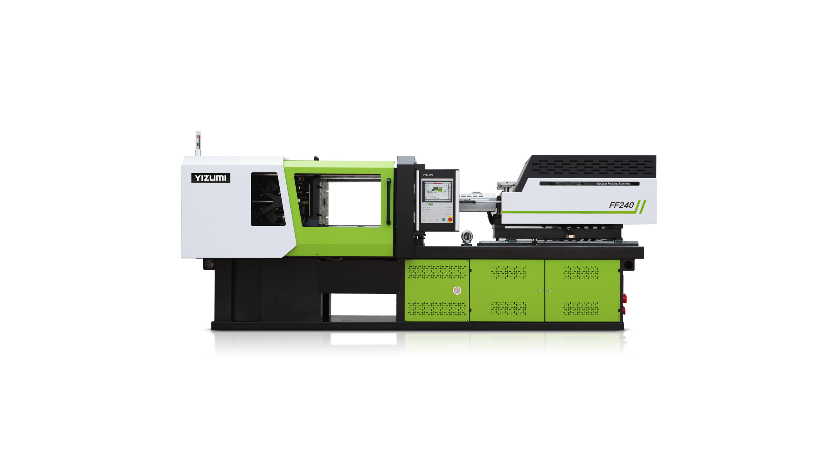
FF Series Electric Injection Molding Machine
Clamping Force: Do Not Choose by Tonnage Alone
Hydraulic and servo-hydraulic machines are still widely used for large parts and high-force applications. Large containers, automotive parts, pallets, thick-wall parts, and deep-cavity molds may require strong clamping force and large mold space.
But bigger is not always better.
An oversized machine can increase energy use and production cost. An undersized machine can cause flash, unstable dimensions, or mold damage.
When selecting a machine, check:
· Clamping force
· Shot weight
· Injection pressure
· Screw diameter
· Plasticizing capacity
· Platen size
· Tie-bar distance
· Mold thickness
· Ejector stroke
· Core-pull requirements
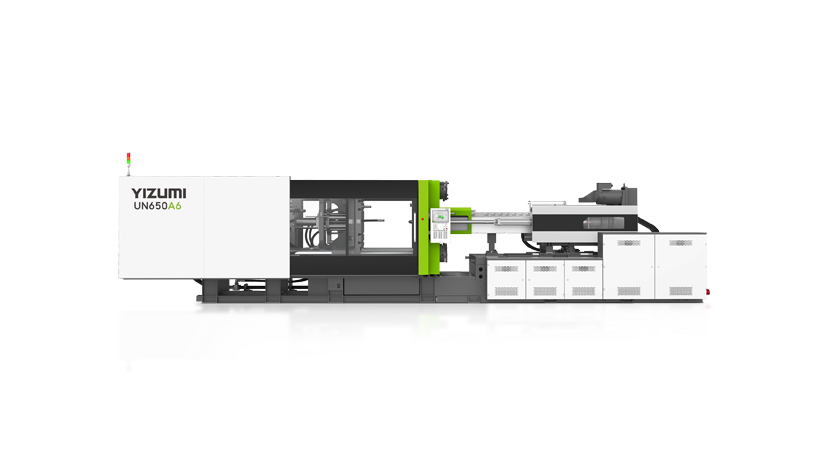
For large-tonnage molding, two-platen structures are often considered because they provide large mold space and strong clamping performance. YIZUMI’s D1 Series two-platen machine covers 5,500 to 40,000 kN clamping force and is designed for large-part applications.
Maintenance and Factory Environment
Traditional hydraulic machines need regular checks for oil quality, filters, seals, hoses, leakage, and temperature control.
Servo-hydraulic machines still require hydraulic maintenance, but better pump control can reduce unnecessary heat and energy loss.
All-electric machines reduce hydraulic oil-related maintenance and are cleaner. This is why they are often preferred for medical, electronics, optical, and clean production environments.
If your factory has strict cleanliness requirements, all-electric should be evaluated first. If your priority is large clamping force with balanced cost, servo-hydraulic may be more practical.
Which Machine Fits Your Application?
| Application | Better Choice | Why |
| Household products | Servo-hydraulic | Balanced cost and performance |
| Thin-wall packaging | High-speed servo or electric | Cycle time is critical |
| Medical products | All-electric | Clean, precise, repeatable |
| 3C electronics | All-electric | Tight tolerance and surface quality |
| Automotive parts | Servo-hydraulic, two-platen, or electric | Depends on part size and precision |
| Pallets / large containers | Hydraulic or two-platen servo-hydraulic | High clamping force and mold space |
| Low-budget startup | Hydraulic or entry-level servo-hydraulic | Lower investment pressure |
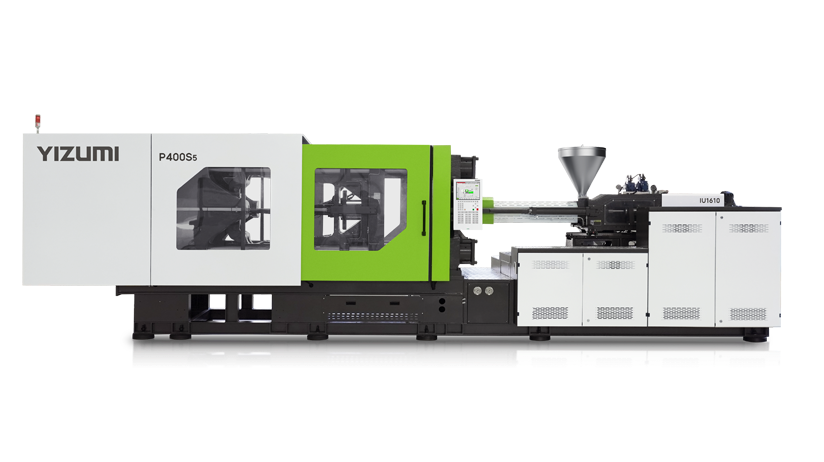
For high-speed packaging, machine speed and energy efficiency both matter. YIZUMI’s P-E Series high-speed injection molding machine offers 30%–50% energy savings compared with standard models, depending on conditions, and a dry cycle time of 2–2.6 seconds.
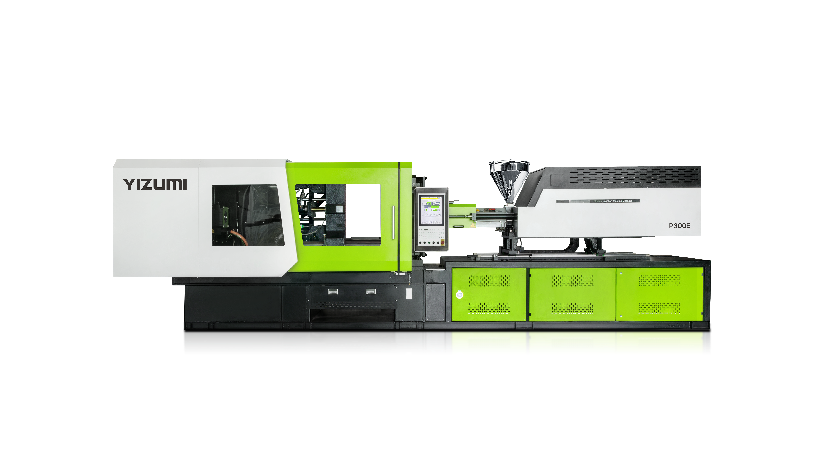
P-E Series High-speed Injection Molding Machine
Common Buyer Mistakes
1. Comparing only the purchase price
A lower machine price may lead to higher long-term electricity, cooling, maintenance, and scrap costs.
Use this simple formula:
Total Cost = Purchase Price + Energy + Maintenance + Downtime + Scrap + Labor + Spare Parts
2. Thinking servo-hydraulic means oil-free
Servo-hydraulic machines still use hydraulic oil. If oil-free operation is required, evaluate all-electric machines.
3. Assuming all-electric is always better
All-electric machines are excellent for precision and clean production, but may not always be the most cost-effective choice for large parts or budget-sensitive projects.
4. Ignoring the mold
The mold often decides the machine. Cavity number, runner type, wall thickness, core pulls, cooling design, and material flow all affect machine selection.
5. Not checking service support
A good machine still needs proper installation, training, spare parts, troubleshooting, and process support. For overseas buyers, service response and spare parts availability should be checked before purchase.
Conclusion
Servo, hydraulic, and all-electric injection molding machines each solve a different production problem. Servo-hydraulic machines offer a practical balance of energy savings, clamping force, and cost. Hydraulic machines remain useful for large parts and heavy-duty molding. All-electric machines are better for clean, precise, repeatable production. The right choice should start with the part, mold, material, cycle time, and long-term cost—not the machine label.
FAQ
Q1. Is a servo-hydraulic injection molding machine the same as an all-electric machine?
A: No. A servo-hydraulic machine still uses hydraulic oil and hydraulic components, but the pump is driven by a servo motor. An all-electric machine uses servo motors to control major movements directly. If clean, oil-free production is required, all-electric is usually the better option.
Q2. Which machine is more energy-efficient: servo-hydraulic, hydraulic, or all-electric?
A: All-electric machines usually offer the lowest energy use, while servo-hydraulic machines are more efficient than traditional hydraulic machines. Actual savings depend on cycle time, cooling time, motor-pump design, operating hours, and electricity cost.
Q3. When should I choose a hydraulic injection molding machine?
A: Hydraulic machines are still practical for large parts, thick-wall products, deep-cavity molds, and applications that need high clamping force or large shot capacity. They can also be suitable when initial investment is a major concern.
Q4. When is an all-electric injection molding machine worth the higher cost?
A: All-electric machines are worth considering when the parts require tight tolerances, clean production, stable weight, low scrap rate, and repeatable high-speed movement. Common applications include medical products, electronics, precision automotive parts, and multi-cavity molds.