What Does Clamping Force Mean in an Injection Molding Machine?
Abstract:
Clamping force directly affects injection molding quality, mold life, energy use, and machine selection. Learn how proper clamp tonnage prevents flash, improves dimensional stability, protects molds, and why the best choice depends on part design, material, projected area, cavities, and process conditions.
Clamping force in an injection molding machine is the force applied by the clamping unit to keep the mold closed during injection and holding pressure. It must be strong enough to resist the pressure of molten plastic inside the mold, but excessive clamping force can increase energy use, mold wear, and production cost without improving part quality.
For molders, mold makers, product engineers, and purchasing teams, clamping force is a key specification to understand before choosing an injection molding machine. It affects part quality, machine selection, mold life, production stability, energy consumption, and long-term manufacturing cost.
However, clamping force is often misunderstood. A higher tonnage machine is not always the better machine. The right choice depends on the molded part, projected area, number of cavities, material, wall thickness, injection pressure, mold structure, and production target.
What Is Clamping Force in an Injection Molding Machine?
Clamping force is the force that keeps the two halves of the mold closed while molten plastic is injected into the cavity.
During injection, plastic melt enters the mold at high pressure. This pressure creates a separating force that tries to push the mold halves apart. If the clamping force is not sufficient, the mold may open slightly, which can cause flash, unstable dimensions, inconsistent part weight, or even mold damage.
In simple terms: Injection pressure pushes plastic into the mold. Clamping force keeps the mold closed.
Injection molding machines are commonly rated by their maximum clamping force. This is why machines are often described as 100-ton, 300-ton, 1,000-ton, or larger machines. The tonnage rating tells you the maximum force the clamping unit can provide, but it does not mean every mold should be run at the maximum setting.
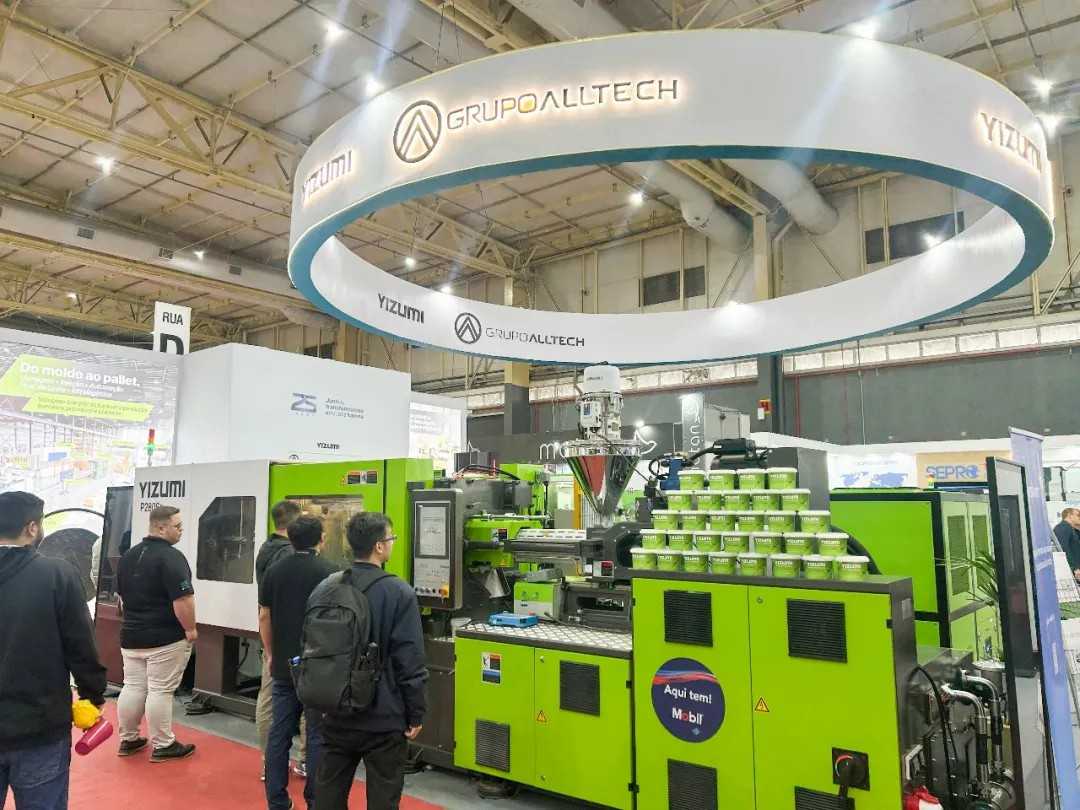
YIZUMI offers multiple injection molding machine categories, including toggle-clamping hydraulic, multi-component, high-speed, two-platen, electric, special-usage, and vertical injection molding machines, which allows machine selection to be matched with different product types and production requirements.
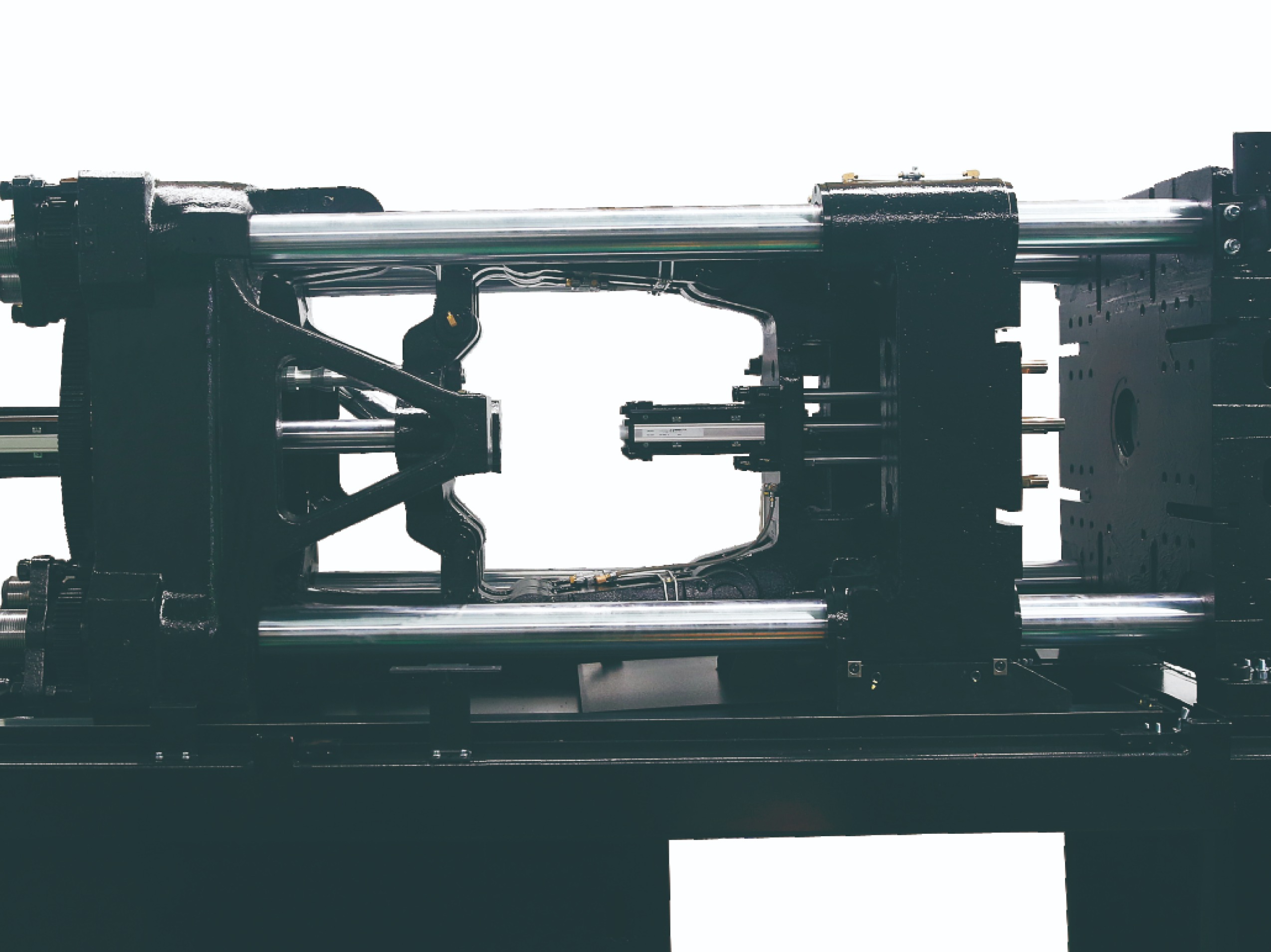
Clamping Unit
Clamping Force vs. Injection Pressure vs. Cavity Pressure
A injection molding machine with high clamping force but poor injection control may still produce unstable parts. Likewise, a mold with poor venting or an unbalanced runner system may still have defects even when the machine tonnage looks sufficient.
This is why clamping force should be considered together with injection performance, mold design, material behavior, and process stability.
How Clamping Force Affects Part Quality
Clamping force affects part quality by controlling how firmly the mold stays closed during filling and holding pressure. If the force is too low, the mold may separate slightly and allow plastic to escape. If it is too high, it may reduce venting and increase mold stress. Industry sources commonly connect low clamp force with flash and dimensional inaccuracy, while excessive force may cause poor venting or mold wear.
Parting Line Sealing
Proper clamping force keeps the parting line closed while plastic fills the cavity. If the mold opens even slightly, molten plastic can flow into small gaps and create flash. Flash may also come from mold wear, high injection pressure, or poor alignment, so clamp force should be checked together with mold condition.
Dimensional Stability
Stable clamping helps the cavity remain consistent from shot to shot. This supports better part weight, wall thickness, shrinkage control, and assembly accuracy, especially for precision parts or multi-cavity molds.
Venting Performance
A mold needs enough venting clearance for trapped air and gas to escape. Excessive clamping force can compress vent areas and make air release more difficult, which may lead to burn marks, short shots, or surface defects.
Mold Protection
Balanced clamping helps reduce unnecessary stress on the mold base, parting line, guide components, and tie-bar system. Over time, this supports more stable quality and helps prevent avoidable mold wear.
What Happens If Clamping Force Is Too Low or Too High?
Clamping ConditionPossible ResultCommon SymptomsToo lowMold may open during injection or holdingFlash, unstable part weight, poor dimensionsToo highMold may be over-compressedPoor venting, burn marks, tool wearUnevenMold alignment may become unstableFlash on one side, mismatch, platen stressProper and stableMold stays closed without over-compressionBetter repeatability, fewer defects The goal is not maximum clamping force. The goal is controlled clamping force that fits the part, mold, material, and process window.
Why Bigger Clamping Force Is Not Always Better
A common misconception is that a larger machine is safer because it has more clamping force. In reality, an oversized machine can create several problems.
Higher Investment Cost
Larger machines usually require higher initial investment, more floor space, stronger utilities, larger auxiliary equipment, and higher transportation or installation cost.
Higher Energy Use
If the application does not require a large machine, the extra clamping capacity may be underused. This can reduce production efficiency and increase energy consumption per part.
More Mold Wear
Excessive clamping force may increase stress on the parting line, mold base, cavity blocks, guide components, and tie bars. In long-term production, this can increase mold maintenance requirements.
Poorer Venting
Over-clamping can reduce venting clearance. In some molds, this may lead to trapped air, burn marks, short shots, or unstable filling.
Lower Machine Utilization
If a large-tonnage machine is used for smaller parts that could run efficiently on a smaller machine, the factory may lose flexibility and capacity efficiency.
A better approach is to select the smallest suitable machine that provides enough clamping force, enough platen size, suitable tie-bar spacing, proper injection capacity, and a stable process window.
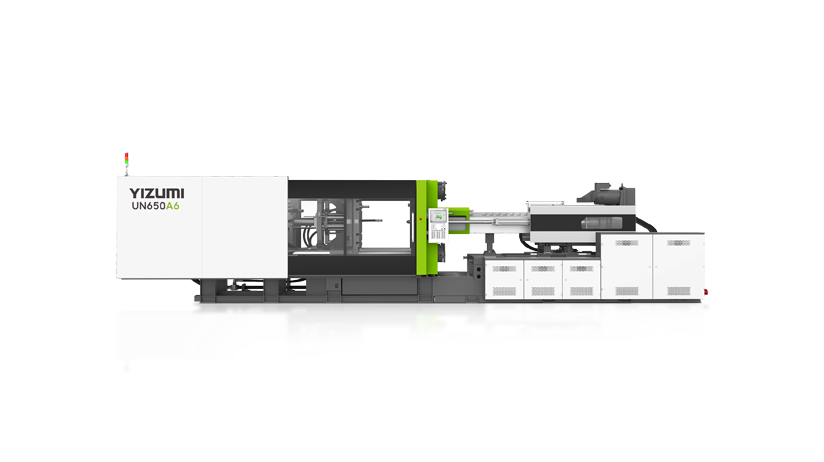
Next-Gen A6 Series Advanced And Intelligent Injection Molding Machine
What Information Is Needed Before Choosing Clamping Force?
Before choosing clamping force, review the molded part, mold layout, material behavior, processing conditions, and machine fit together. The right tonnage should keep the mold closed during injection without oversizing the machine.
Part Projected Area
Projected area is the area of the molded part viewed from the mold opening direction. A larger projected area usually creates a higher force trying to open the mold during injection.
Number of Cavities
Multi-cavity molds increase the total projected area. The clamping force should be reviewed based on the combined area of all cavities, not just one part.
Runner and Sprue Design
Runner and sprue layout can also affect the force inside the mold. For cold-runner molds, the runner area should be included when reviewing the total area under pressure.
Material Type
Different plastics flow and pack differently. Material viscosity, filler content, melt temperature, and shrinkage behavior can all influence the pressure needed to fill and hold the part.
Wall Thickness and Flow Length
Thin walls, long flow paths, and complex geometry may require higher filling pressure. These details should be evaluated together with material data and mold design.
Injection and Holding Pressure
Clamping force must resist the pressure generated during filling and holding. Higher injection or packing pressure may increase the force trying to separate the mold halves.
Mold Structure and Venting
Mold rigidity, parting-line design, gate location, and venting all affect clamp force requirements. The mold should stay closed under pressure while still allowing trapped air to escape.
Machine Fit
Clamping force is only one selection factor. The mold must also match the machine’s platen size, tie-bar spacing, mold height range, opening stroke, ejector force, and mold protection capability. YIZUMI’s own machine selection guidance highlights these items as important checks when comparing injection molding machine performance and long-term cost.
Trial or Simulation Data
For complex, high-value, or tight-tolerance parts, mold flow analysis, trial data, or previous production records can help confirm whether the selected clamping force is suitable before mass production.
Common Misconceptions About Clamping Force
| What It Means | Where It Happens | Why It Matters | |
| Clamping force | Force that keeps the mold closed | Clamping unit and mold | Prevents mold opening and flash |
| Machine tonnage | Maximum clamping capacity of the machine | Machine specification | Helps determine machine size |
| Injection pressure | Pressure used to push melt forward | Injection unit and screw | Affects filling ability |
| Cavity pressure | Pressure inside the mold cavity | Mold cavity | Closely related to part quality |
| Holding pressure | Pressure applied after filling | Packing and holding stage | Controls shrinkage, part weight, and dimensions |
Conclusion
Clamping force in an injection molding machine is the force that locks the mold closed against melt pressure during filling and holding. The right clamp tonnage prevents flash, unstable dimensions, weight variation, and mold damage, while avoiding over-clamping that wastes energy, compresses vents, and accelerates wear. It should be selected from projected area, cavity count, material, wall thickness, injection/holding pressure, mold design, and machine fit—not simply by choosing the largest machine.
FAQ
Q1. How do you calculate clamping force in injection molding?
A common starting point is:
Clamping Force = Total Projected Area × Cavity Pressure
The total projected area should include all cavities and, for cold-runner molds, the runner and sprue area. The result should then be reviewed with material data, mold structure, filling pressure, and safety margin.
Q2. What happens if clamping force is too low?
If clamping force is too low, cavity pressure may push the mold halves apart. This can cause flash, unstable part weight, poor dimensional accuracy, parting-line leakage, and possible mold damage.
Q3. Can too much clamping force cause problems?
Yes. Excessive clamping force may compress mold vents, trap gas, cause burn marks or short shots, increase mold wear, raise energy use, and add unnecessary stress to the platen, tie bars, and mold base.
Q4. Does flash always mean the machine tonnage is too small?
No. Flash can be caused by low clamp force, but it may also come from worn parting lines, poor mold alignment, excessive injection pressure, trapped air, unbalanced filling, or foreign material on the mold surface.
Q5. Is a higher-tonnage injection molding machine always better?
No. A larger machine may provide more clamping capacity, but it can also increase investment cost, energy consumption, floor-space demand, and mold wear. The better choice is the smallest suitable machine that meets clamp force, platen size, tie-bar spacing, shot capacity, mold height, opening stroke, and process stability requirements.