Rubber Injection FAQ
Abstract:
Rubber injection molding machine buyers can use this FAQ to assess clamping force, injection volume, LSR and HTV materials, compression molding, flash, bubbles, and scorch control, plus process automation and maintenance from quotation to production.
Q1. How do I choose the right rubber injection molding machine for my product?
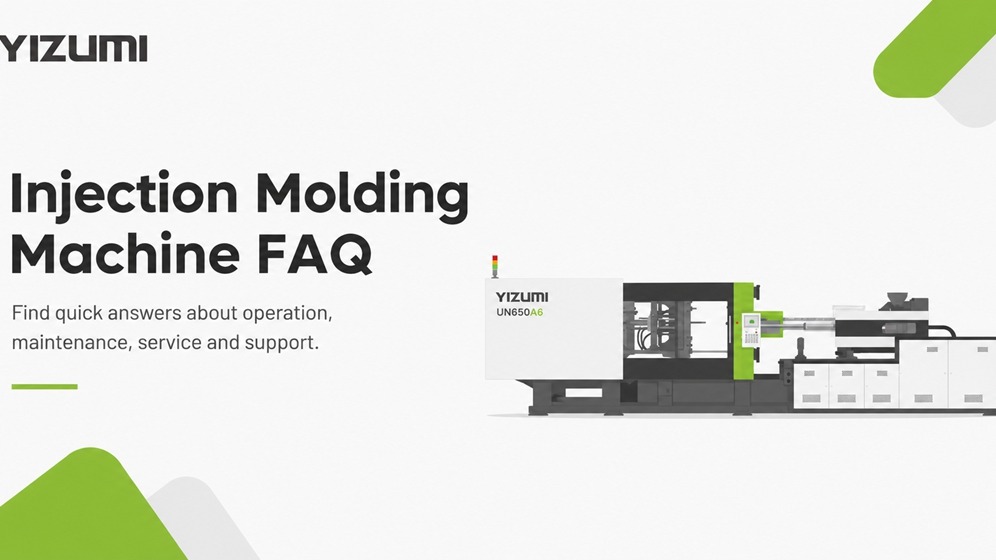
A: Start with the rubber compound, part weight, cavity count, mold dimensions, curing cycle, demolding method and annual output. Then match the machine structure to the production method. YIZUMI's RIM Product Line includes A3 Series/European Series/Horizontal Series/ C-frame Series/Asian Series/Compression Press Series/Special Machine for Energy Industry/Air Spring Molding Machine/Joint-free Rubber Track Molding machine/Diamond Wire Saw Molding Machine, plus custom special purpose solutions for non standard application requirements.
Q2. What information is needed before requesting a rubber injection molding machine quotation?
A: To get an accurate, tailored quotation, please provide:
- Product details: part drawing or sample, material grade, part and runner weight
- Mold specifications: cavity count, mold size
- Production data: expected cycle time, annual volume, automation requirements
- Plant conditions: plant voltage, destination country
With this information, we can calculate precise injection volume, clamping force, machine layout and demolding solution — so you receive a quotation built for your actual production, not a generic price tag.
Q3. How do I select injection volume for a rubber molding machine?
A: Calculate the total shot weight: finished parts, runners and sprue, overflow material and a appropriate process margin. The injection unit should operate within its optimal capacity range, avoiding sustained use at either the very low or very high end. For unusually large shot weights, YIZUMI RIM offers dedicated large-injection-volume configurations.
Q4. How do I calculate the required clamping force for a rubber injection molding machine?
A: Estimate clamping force from the total projected area of the cavities, runners and overflow areas, the effective cavity pressure and an appropriate safety margin. Do not choose a machine based only on part weight or maximum injection pressure. Also check mold size, mold thickness, platen spacing, opening stroke and automation clearance. Too little force can cause mold opening and flash, while excessive force may increase mold stress and wear.
Q5. What materials can a rubber injection molding machine process?
A: Material capability depends on the selected injection unit and process setup. YIZUMI RIM offers injection units for rubbe, LSR and HTV, EPDM, TPE, LSR and other materials. Confirm each material with the supplier before ordering.
Q6. What is the difference between solid-rubber injection molding and LSR injection molding?
A: Solid-rubber molding handles prepared rubber compound, while liquid silicone rubber molding uses a metered two-part LSR system. LSR requires dedicated material delivery and controlled mixing. The machine, mold and temperature-management strategy should be selected specifically for LSR instead of adapting a standard rubber process.
Q7. Is rubber injection molding better than compression molding?
A: Neither method is always better. Injection molding is attractive for repeatability, multi-cavity production and automation. Compression molding can be more appropriate for larger, simpler or lower-volume parts. YIZUMI's RIS portfolio includes both rubber injection solutions and the YL-VV compression press series, allowing selection by application.
Q8. Why is mold-flow analysis important for rubber injection molding?
A: Mold-flow analysis helps identify potential filling, venting, gating and balance issues before production tooling is finalized. It is particularly valuable for multi-cavity molds, complex seals and parts with tight appearance or dimensional requirements.
Q9. How can I reduce flash in rubber injection molding?
A: Review clamp force, mold parting surfaces, mold wear, shot size, injection pressure, compound viscosity and cure conditions. Flash is often a combined mold-and-process issue. Adjusting one parameter without identifying the root cause can create new quality problems.
Q10. Why do rubber injection molded parts have air bubbles or voids?
A: Typical causes include inadequate venting, trapped air, contaminated compound, unsuitable injection speed or inconsistent curing. Check vent locations and mold cleanliness first, then validate the material, filling profile and cure window through controlled trials.
Q11. Why do short shots occur in rubber injection molding?
A: Short shots can be caused by insufficient shot volume, restricted material flow, premature curing, low injection pressure, poor venting or an unbalanced mold. Verify actual shot weight and flow restrictions before increasing pressure or temperature.
Q12. Why does rubber scorch during injection molding?
A: Scorch means the compound begins curing too early. Excessive residence time, heat history, shear, unsuitable barrel temperature or aged material can contribute. Review material handling and cleaning practices before making major machine-setting changes.
Q13. How do I plan a rubber injection molding production line?
A: Plan the complete flow, not only the machine: material receiving, compound preparation, molding, demolding, inspection, trimming, packing, traceability and maintenance access.
Q14. How can I reduce downtime during rubber compound changes and machine maintenance?
A: Downtime commonly results from compound residue, difficult cleaning, temperature drift or delayed troubleshooting. Check the machine’s changeover procedure, cleaning access, temperature control, alarms, spare-parts plan and preventive-maintenance support.
Q15. Why are screw-speed display and control important in rubber injection molding?
A: Screw speed affects material preparation, shear and temperature history. Visible, controllable screw speed helps operators repeat proven recipes and troubleshoot drift. YIZUMI lists screw-speed display and control in its horizontal rubber injection series.