Best Ultra-Large Die-casting Machines for Mega-Scale Production
Abstract:
This guide takes a close look at the characteristics that define today’s best ultra-large die casting machinery, followed by an in-depth introduction to YIZUMI’s LEAP Series—designed specifically for mega-scale manufacturing environments.
Ultra-large structural parts are quickly becoming the backbone of modern manufacturing, especially in sectors like new energy vehicles, aerospace, large transportation equipment, and high-volume industrial components. As manufacturers push toward bigger castings and higher production throughput, the demand for reliable, high-tonnage die casting machines keeps growing. Choosing the right platform is no longer just about clamping force. Buyers now look closely at process control, cycle stability, automation compatibility, energy consumption, as well as the long-term cost of ownership.
This guide takes a close look at the characteristics that define today’s best ultra-large die casting machinery, followed by an in-depth introduction to YIZUMI’s LEAP Series—designed specifically for mega-scale manufacturing environments.
Why Ultra-Large Die Casting Machines Matter More Than Ever
Industries that once relied on multi-part assemblies are shifting toward large single-piece castings. The reason is simple: fewer parts lead to lower machining time, reduced welding and assembly labor, and better structural consistency. For large-format castings—battery housings, body sections, gearbox housings, inverter cases, structural beams—manufacturers increasingly turn to ultra-large die casting machines that can handle multi-meter molds with stable, repeatable performance. Some of the practical advantages include:
1. Higher Structural Integrity
Large unified castings reduce weak points, improve rigidity, and deliver better crash performance—one reason the EV and truck sectors are accelerating integrated die-casting adoption.
2. Faster Mass Production
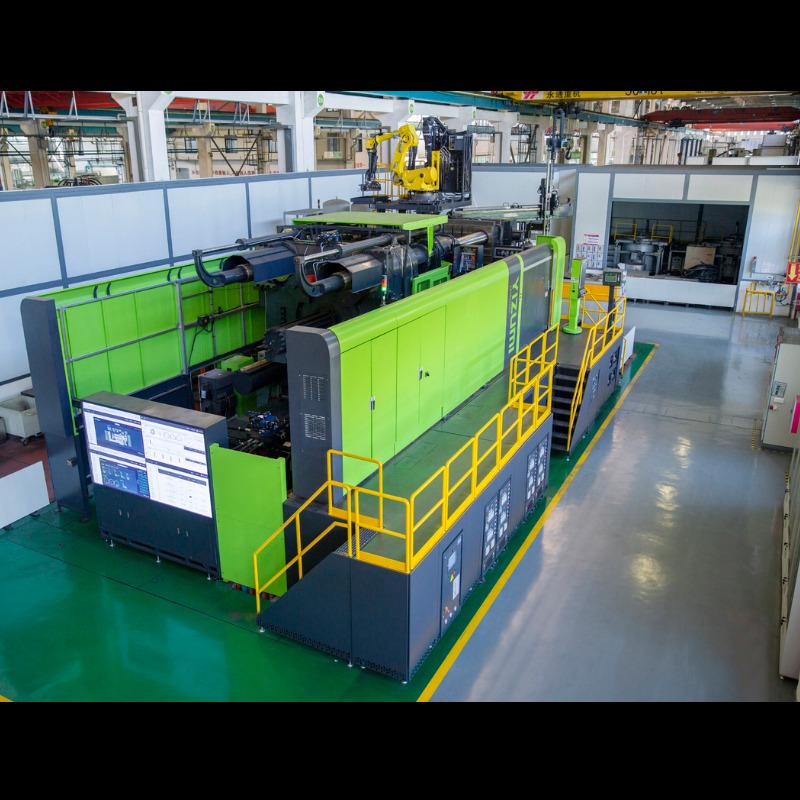
High-tonnage equipment paired with die casting automation dramatically reduces cycle time. Automated spraying, extraction, and trimming have evolved to match the speed and scale of 6000T–9000T platforms, making continuous output more predictable.
3. Lower Long-Term Manufacturing Costs
Although large machines represent a significant initial investment, they offer notable savings in:
- Assembly labor
- Fixture cost
- Welding or bonding operations
- Quality checks on multi-part assemblies
When combined with energy-efficient hydraulics and high-speed injection systems, modern die casting machinery delivers a clear economic advantage.
Key Features Buyers Look For in Ultra-Large Die Casting Machines
When procurement teams compare high-tonnage systems, several elements consistently influence their decision:
1. Injection Stability and Real-Time Control
Large molds require stable, accurate injection curves. Any deviation—even slight—affects the filling pattern, air entrapment, porosity, and overall structural integrity. Manufacturers now prefer machines equipped with self-learning algorithms and real-time monitoring to reduce scrap rates.
2. Fast, Consistent Cycle Performance
For 6000T–9000T machines, differences of just one or two seconds per cycle accumulate into hundreds of extra castings per month. High-speed closing/opening systems, fast hydraulic response, and well-designed platens contribute to productivity gains without sacrificing reliability.
3. Compatibility with Automation
Few factories purchase a large die-casting machine without automation in mind. Buyers look for:
- Integrated robot interfaces
- Easy data exchange with MES systems
- Automation-friendly safety layouts
- Open space around the machine for maintenance and robot access
4. Energy Efficiency
Operating a large machine consumes substantial power. Technologies like servo-driven hydraulic systems, closed-loop control, and optimized oil circulation can reduce monthly energy costs significantly—an element many buyers now prioritize.
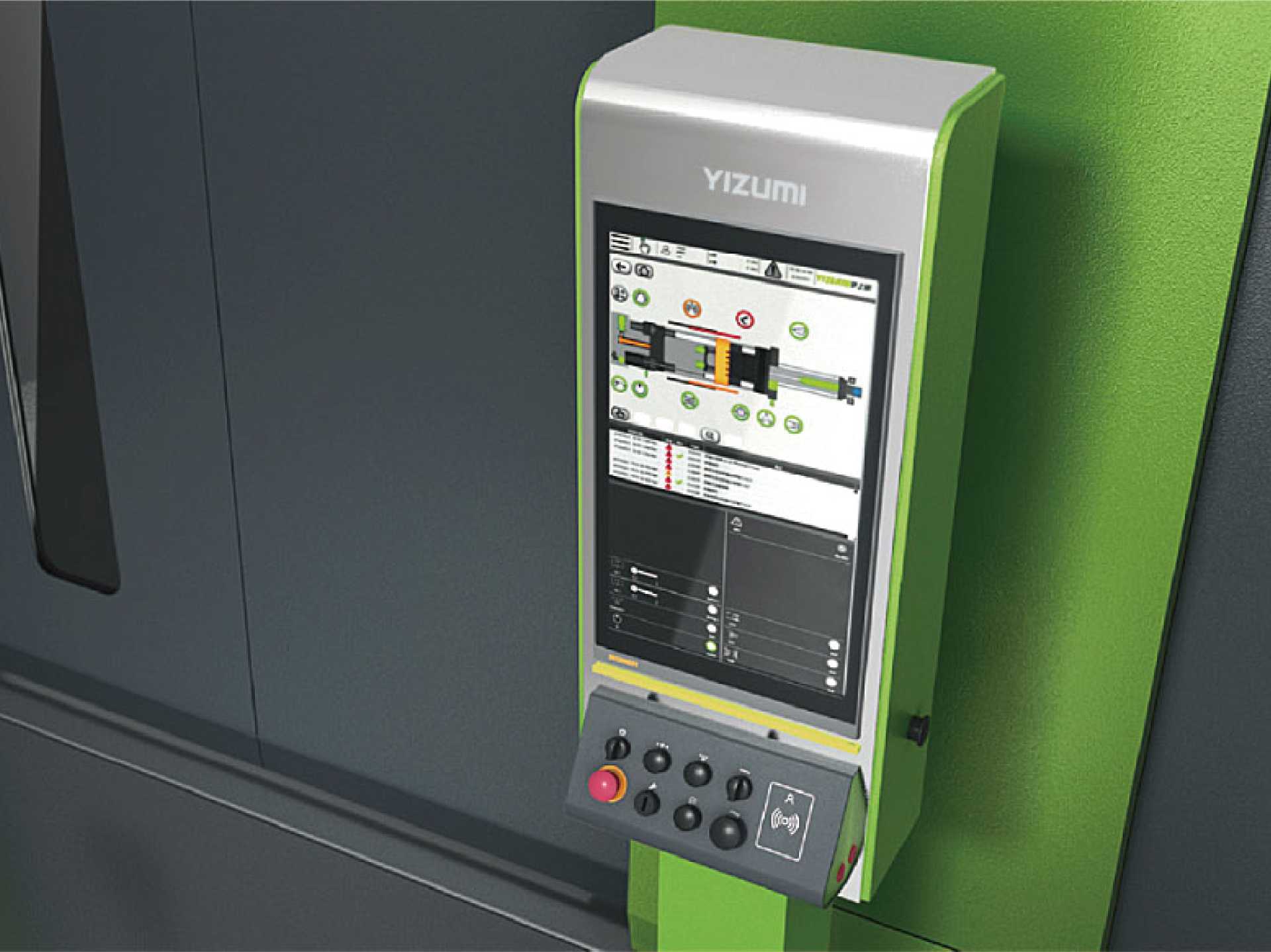
5. User-Friendly Controls and On-Machine Guidance
Complex machines don’t need to be complicated to operate. Intuitive, graphical HMIs paired with advanced diagnostic systems reduce training time and support long-term stability.
User-friendly Die Casting Control System
How Ultra-Large Die Casting Machines Support Modern Markets
1. New Energy Vehicles (NEVs)
Battery trays, crossbeams, rear underbody structures, and large body sections continue to grow in size. Automakers expect machines that deliver stable, repeatable performance with minimal porosity and excellent mechanical properties.
2. Aerospace and Rail Transit
Precision and consistency are paramount. Large castings used in aircraft seats, structural brackets, and rail components demand uniform metal flow and strong, defect-free sections.
3. Industrial Machinery and Infrastructure
Applications such as structural housings, heavy-duty frames, and complex mechanical platforms require casting machines that maintain dimensional accuracy across long runs.
Across all these sectors, factories increasingly rely on equipment with high data transparency, predictive control, and integration-ready solutions—areas where advanced die casting machinery stands out.
Ultra-large Integrated Die Casting
YIZUMI LEAP Series Ultra-Large Die Casting Machine
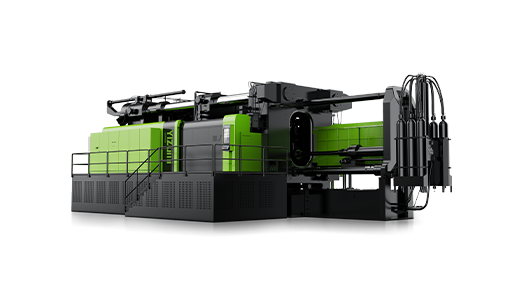
Designed through global engineering collaboration and YIZUMI’s continuous R&D investment, the LEAP Series provides a complete solution for manufacturers aiming at stable, high-precision, large-format die casting. With available clamping forces ranging from 6000T to 9000T, the series supports sectors such as NEVs, aerospace, transportation, and other industries requiring mega-size castings with tight tolerances and reliable repeatability.
User-Friendly Operation
The LEAP Series is equipped with YIZUMI’s intuitive ORCA-HMI, a graphical interface that simplifies setup and day-to-day operation. Parameters are organized clearly, and operators can access real-time process data without navigating through endless menus.
High Production Efficiency
Cycle speeds improve by approximately 10%, enabling factories to reach higher output without compromising casting quality. This is especially valuable for large molds where time savings accumulate rapidly over long production cycles.
Precision and Repeatability with Yi-Cast Technology
The built-in Yi-Cast self-learning real-time control continuously checks process conditions and adjusts parameters automatically. This minimizes shot-to-shot variation, stabilizes filling behavior, and ensures consistent metallurgical results—crucial for large structural castings.
Energy Savings Up to 40%
The LEAP Series incorporates an optimized hydraulic drive system paired with proven servo motor technology. This reduces energy usage significantly, lowering operating costs and contributing to long-term sustainability targets.
Ultra-large Die Casting Machine Manufacturer
YIZUMI ORCA Control System
Fully Digital Control
The ORCA system delivers flexible, full-process control with clean graphical visualization. Operators can fine-tune injection curves, optimize cycle settings, and access complete analytics directly from the touchscreen.
Comprehensive Alarm & Troubleshooting
A structured, clearly documented alarm library helps operators identify and resolve process deviations, reducing downtime.
CastMaster Expert Functions
Embedded expert guidance supports users with process recommendations, helping improve mold setup, filling strategies, and overall casting stability.
YIZUMI Research Center Support
The integrated Mold Flow and Process Analysis service helps customers validate casting feasibility, optimize gate/runner design, and reduce trial-and-error costs before production even begins.
LEAP Injection Unit – Consistency with Every Shot
Real-time closed-loop injection control detects any deviation and makes instant adjustments, ensuring stable filling and repeatable casting results.
Break-point injection speed control reduces flash formation and helps extend die life—especially important for mega-size molds running high internal pressures.
Enhanced YIZUMI Locking System
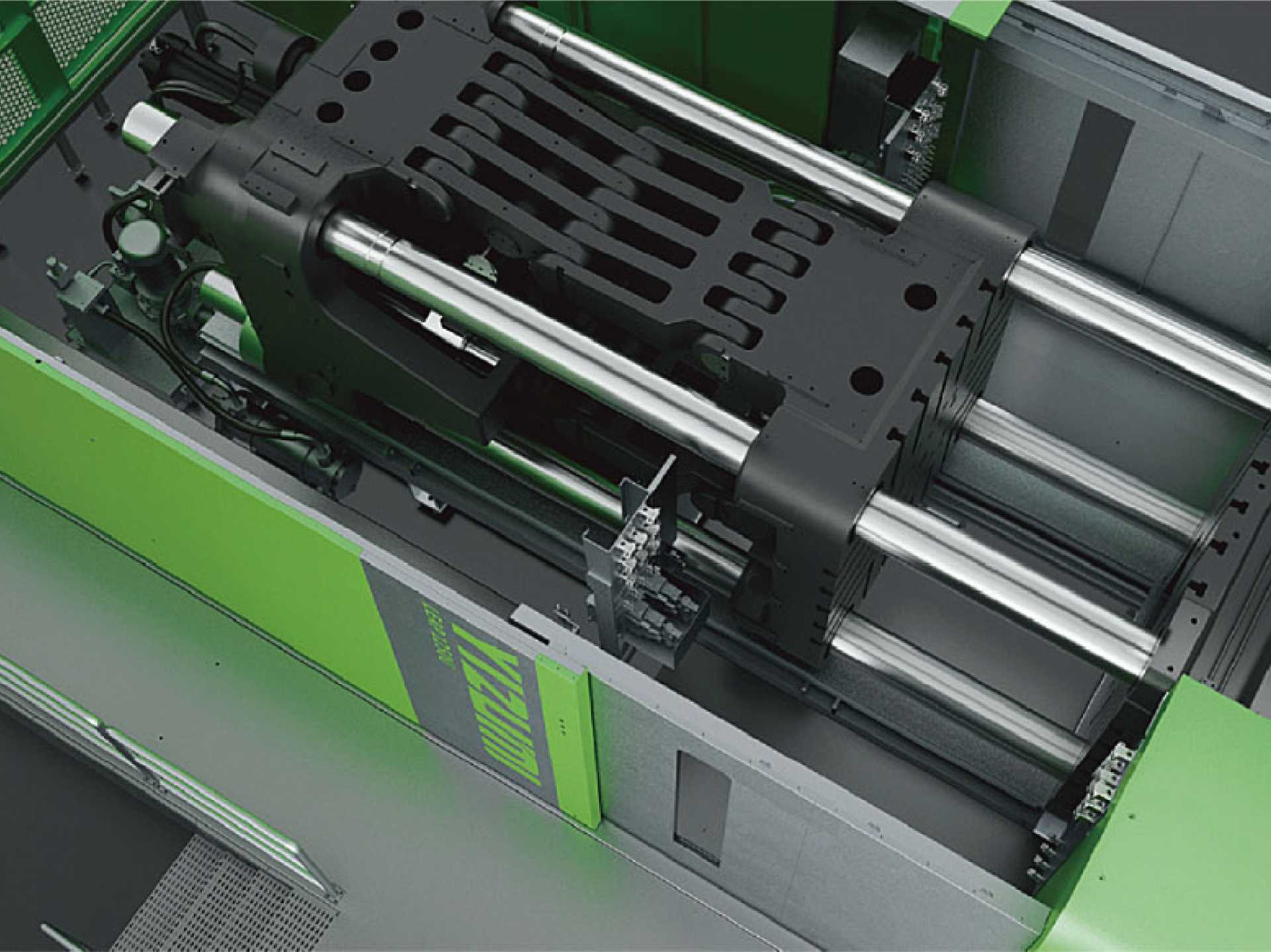
A fully redesigned toggle system increases platen rigidity and overall durability.
Faster (approx. 10%) closing and opening speeds contribute to shorter cycle times.
Servo-driven hydraulics reduce energy consumption by up to 40% while maintaining smooth movement.
Automated settings—including die height, locking force, and precise stop positions—simplify mold changes and daily operation.
Performance-Focused Machine Design
The LEAP Series layout prioritizes safety without compromising accessibility. Energy lines and moving components are shielded, while operators and maintenance teams retain open access for setup, cleaning, and servicing.
Ultra-Large Die Casting Automation
Conclusion
The shift toward larger, more complex structural parts has made ultra-large die casting equipment a critical investment for modern manufacturing. Companies operating in automotive, aerospace, heavy transportation, and industrial machinery require machines that deliver stable, repeatable performance at massive scale—supported by automation, advanced control systems, and energy-efficient operation.
YIZUMI’s LEAP Series combines all these capabilities into one platform. With high-speed cycle performance, intelligent real-time control, mold-flow backed engineering, and user-friendly digital interfaces, it offers a complete solution for factories aiming to expand into next-generation integrated die casting.