Injection Molding Equipment for Plastics Manufacturing: Complete Guide 2026
Abstract:
Choosing the right injection molding equipment is a critical investment. As technology evolves towards greater automation and efficiency, navigating your options can be overwhelming. Our 2026 Complete Guide cuts through the complexity, offering expert analysis on machine types, key technologies, and selection criteria to help you maximize ROI and future-proof your manufacturing operations.
Injection molding is a fundamental process in modern plastics manufacturing. It allows manufacturers to produce precise, durable, and high-volume plastic parts efficiently. Selecting the right injection molding equipment and a reliable injection molding equipment manufacturer directly impacts production quality, cost-efficiency, and scalability. This guide provides a detailed overview of injection molding machinery, buying considerations, and industry trends in 2026.
Understanding Injection Molding Equipment
Injection molding equipment refers to the machinery that melts and injects plastic material into molds to form parts. After cooling, the mold opens, and the part is ejected. This process is highly favored for industries like automotive, consumer electronics, medical devices, packaging, and household products due to its ability to produce complex geometries consistently.
A modern injection molding machine is not just a mechanical system—it is a precision instrument that integrates clamping, injection, control, and sometimes robotic automation. The right machine ensures minimal material waste, high cycle efficiency, and excellent part consistency.
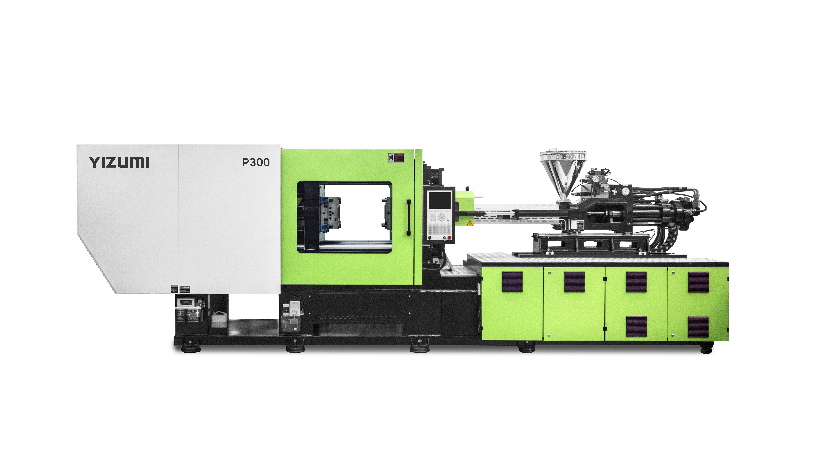
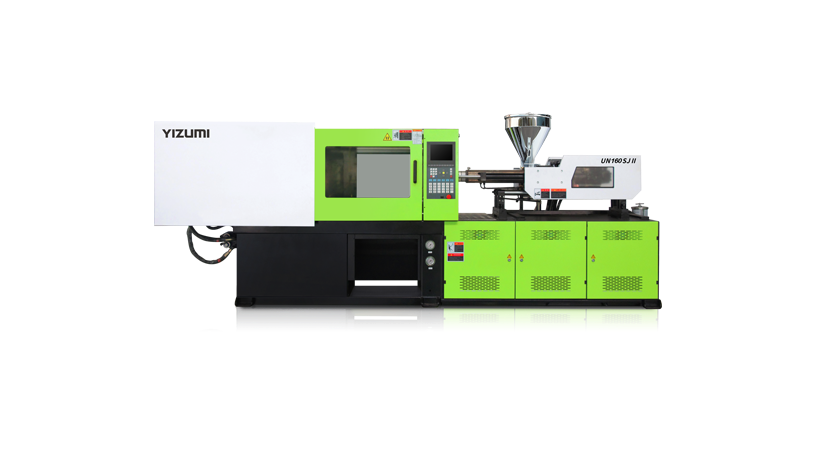
YIZUMI High-speed Injection Molding Machine
Types of Injection Molding Machines
Injection molding machines are categorized primarily based on their drive systems: hydraulic, electric, or hybrid. Each type serves specific production requirements.
1. Hydraulic Injection Molding Machines
Hydraulic machines rely on pressurized fluid to operate the clamping and injection units. They are ideal for producing large or thick-walled components that require high clamping force. Key characteristics include:
l High clamping force: Suitable for heavy-duty molds and large-scale production.
l Strong durability: Can handle extended production cycles without compromising performance.
l Flexible material processing: Works with a wide range of plastics, including engineering-grade polymers.
Hydraulic machines remain popular in automotive and industrial sectors due to their ability to process large parts reliably.
2. Electric Injection Molding Machines
Fully electric machines use servo motors to drive all machine operations, providing precise motion control and energy savings. Benefits include:
l Energy efficiency: Reduces electricity consumption by up to 50% compared to hydraulic machines.
l High precision: Consistent part weight and dimensional accuracy.
l Quiet operation and low maintenance: Minimal hydraulic oil reduces leaks and environmental impact.
Electric machines are commonly used for electronics, medical devices, and consumer products where precision and cleanliness are critical.
3. Hybrid Injection Molding Machines
Hybrid machines combine electric injection units with hydraulic clamping systems, offering a balance between energy efficiency and high-force capabilities. They are suitable for medium-to-large production runs with parts that require both power and precision.
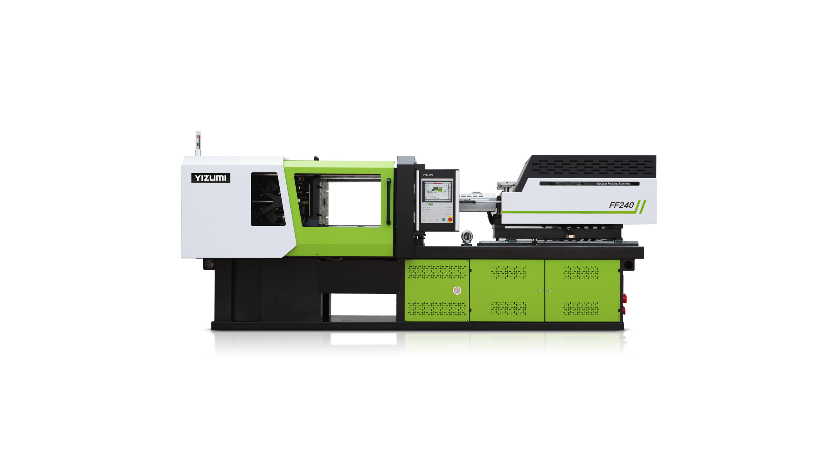
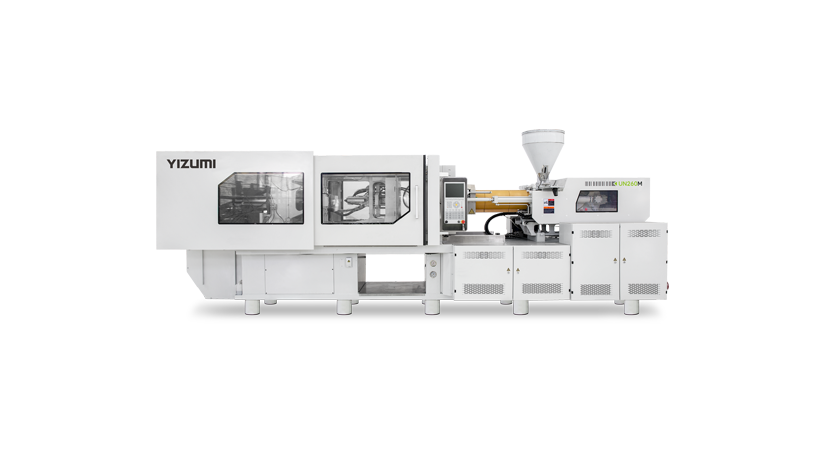
All-electric Injection Molding Machine
Key Components of Injection Molding Machines
Understanding machine components helps manufacturers choose equipment that meets their production needs:
Injection Unit – Melts and injects plastic into the mold. Critical parameters include screw design, injection pressure, and shot capacity.
Clamping Unit – Applies pressure to keep the mold closed during injection. Clamping force must match the size and complexity of the mold.
Drive System – Hydraulic, electric, or hybrid systems that power movements.
Control System – Monitors temperature, pressure, injection speed, and cycle time. Advanced systems may include touchscreen interfaces and IoT connectivity.
Mold – Determines the part’s final shape and quality. Mold design influences cycle time, part accuracy, and surface finish.
Choosing the Right Injection Molding Equipment Manufacturer
The manufacturer you choose affects the long-term performance, reliability, and service of your injection molding equipment. Consider the following:
1. Experience and Reputation
Established injection molding equipment manufacturers have refined their machines over decades, offering robust designs, technical support, and proven reliability.
2. Product Quality and Certification
Look for injection molding machine manufacturers adhering to ISO, CE, or other international standards. Quality-certified machines reduce maintenance needs and improve part consistency.
3. Service and Support
Injection molding machines require regular maintenance. Manufacturers offering technical support, spare parts availability, and training programs ensure minimal downtime.
4. Innovation
Injection molding equipment manufacturers that invest in automation, AI monitoring, and energy-efficient technology provide a competitive advantage. Machines with smart controls optimize cycle times, reduce defects, and monitor energy usage.
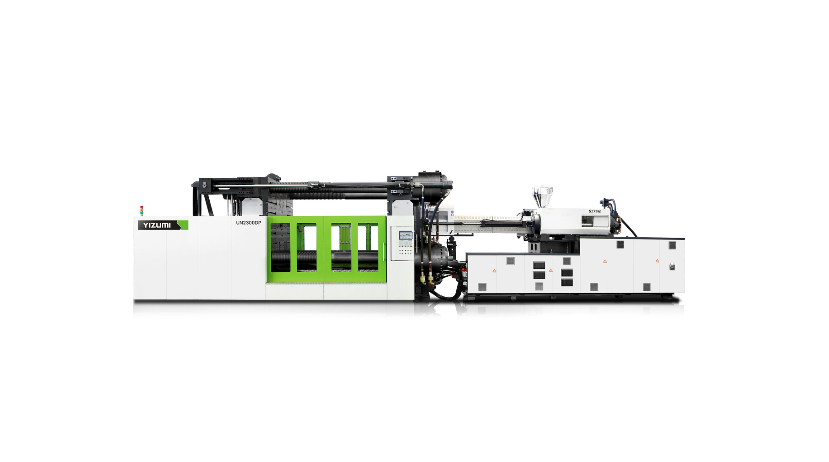
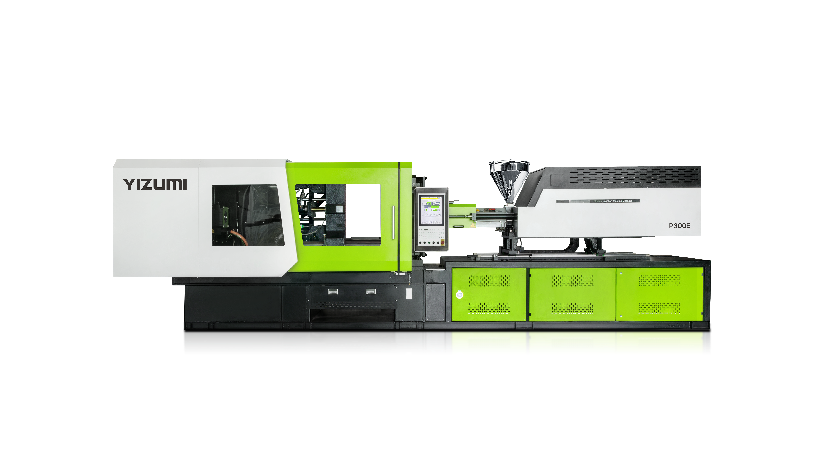
Two-platen Injection Molding Machine Supplier
Factors to Consider When Buying Injection Molding Equipment
When selecting injection molding equipment, evaluate:
1. Part Size and Complexity
Machines must match the size and precision requirements of the parts. Complex geometries often require precise injection control and mold temperature management.
2. Production Volume
High-volume production demands fast cycle times, robust clamping systems, and durable screws and barrels. Low-volume production may prioritize flexibility and lower upfront investment.
3. Material Compatibility
Different plastics require varying temperatures, pressures, and cooling rates. Ensure the machine can handle materials like:
l Polypropylene (PP)
l Acrylonitrile butadiene styrene (ABS)
l Polycarbonate (PC)
l Engineering plastics such as PEEK and PA
4. Energy Efficiency
Electric and hybrid systems reduce operational costs and environmental impact. Monitoring energy consumption is key to sustainable production.
5. Automation Integration
Modern production lines often integrate robotic part handling, quality inspection, and feeding systems. Machines compatible with automation improve efficiency and reduce labor costs.
6. Cost of Ownership
Beyond the purchase price, consider maintenance costs, energy consumption, and spare parts availability. Long-term reliability often outweighs lower initial investment.
Injection Molding Industry Trends in 2026
The injection molding industry continues to evolve with new technologies and market demands:
Smart Manufacturing: IoT-enabled machines can predict maintenance needs, track production efficiency, and optimize energy use.
Sustainability: Rising demand for recycled plastics and energy-efficient operations drives innovation in machine design.
Micro-Molding and Medical Devices: The need for small, precise parts is increasing in electronics and medical sectors.
Multi-Material Injection: Machines capable of processing multiple plastics or inserts in a single cycle are growing in demand.
Robotics and Automation: Integration of robots for part removal and inspection improves cycle time and product quality.
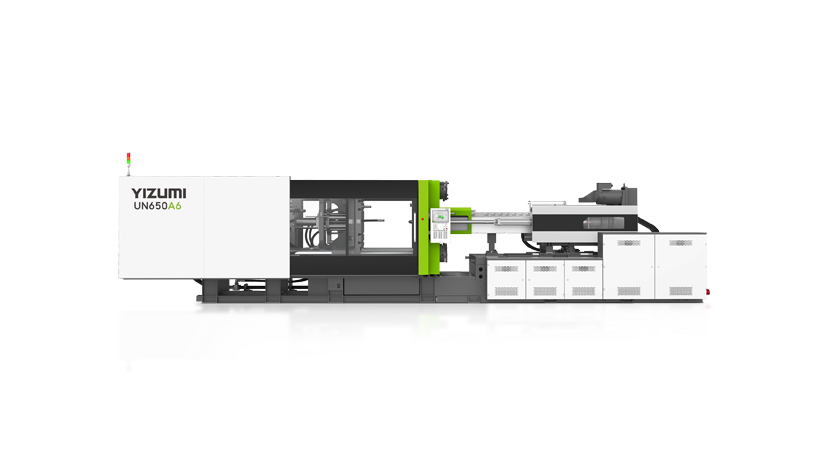
Injection Molding Machine Manufacturer in China
How YIZUMI Supports Plastics Manufacturers
YIZUMI, a leading injection molding equipment manufacturer, offers machines designed for precision, reliability, and energy efficiency. Key advantages include:
l Wide range of machines: Electric, hydraulic, and hybrid systems.
l Advanced automation and IoT capabilities.
l Compliance with ISO and CE standards.
l Global technical support and training programs.
Manufacturers choosing YIZUMI can scale production efficiently, reduce defects, and improve overall productivity.
Conclusion
Investing in the right injection molding equipment and partnering with a trusted injection molding machine manufacturer like YIZUMI ensures consistent, high-quality plastic parts and long-term operational efficiency. Understanding machine types, technical specifications, production requirements, and industry trends empowers businesses to make informed decisions.
By selecting reliable equipment, leveraging automation, and monitoring energy use, manufacturers can meet 2026 production demands while maintaining cost-effectiveness and quality standards.