Reducing Air Bubbles and Defects with Vacuum Chamber Injection Machines
Abstract:
Gas-related defects like air bubbles and burn marks are a primary cause of scrap in injection molding. When conventional venting isn't enough, the root of the problem is air trapped before injection. Vacuum chamber machines provide the definitive solution. This article explains how this technology proactively removes air to deliver flawless parts, enhance surface quality, and drastically reduce waste.
Air bubbles, voids, burn marks, and incomplete filling remain common challenges in injection molding, especially for parts with complex geometry, thin walls, or strict surface requirements. These defects do more than compromise appearance. They weaken structural integrity, increase rejection rates, and raise overall production costs. For manufacturers working with silicone, rubber, or high-precision plastic components, controlling trapped air during molding has become a priority rather than an option.
This is where the vacuum chamber injection machine plays a decisive role. By removing air from the mold cavity before and during injection, vacuum-assisted molding creates a stable forming environment that significantly reduces defects caused by gas entrapment. As product designs continue to become more intricate, vacuum technology is increasingly adopted by rubber molding manufacturers and injection molding plants focused on quality-driven markets.
Why Air Entrapment Occurs in Injection Molding
Air entrapment happens when gas inside the mold cavity has no efficient path to escape as molten material fills the space. This issue becomes more severe under certain conditions:
- l Complex mold structures with deep ribs or blind holes
- l Thin-wall or micro-featured products
- l Silicone and rubber materials with higher viscosity
- l Sealed molds where venting is restricted or not permitted
- l High-speed injection that compresses trapped air
When air is compressed inside the cavity, it creates localized high temperatures, leading to burn marks, incomplete filling, or internal voids. Traditional venting methods can help, but they also introduce new problems, such as flash, material leakage, or inconsistent vent performance over long production cycles.
How Vacuum Chamber Injection Machines Solve These Problems
A vacuum chamber injection machine addresses air entrapment by actively removing air from the mold cavity before injection begins. Instead of relying on passive vents, the system creates a controlled vacuum environment that allows molten material to flow without resistance from trapped gases.
Key advantages of vacuum-assisted injection include:
- l Improved material flow into fine features
- l Reduced internal bubbles and surface defects
- l Lower injection pressure requirements
- l Better replication of mold details
- l Higher consistency across production batches
For rubber molding manufacturers producing medical components, electronic seals, optical parts, or high-end consumer products, these benefits directly translate into higher yields and lower scrap rates.
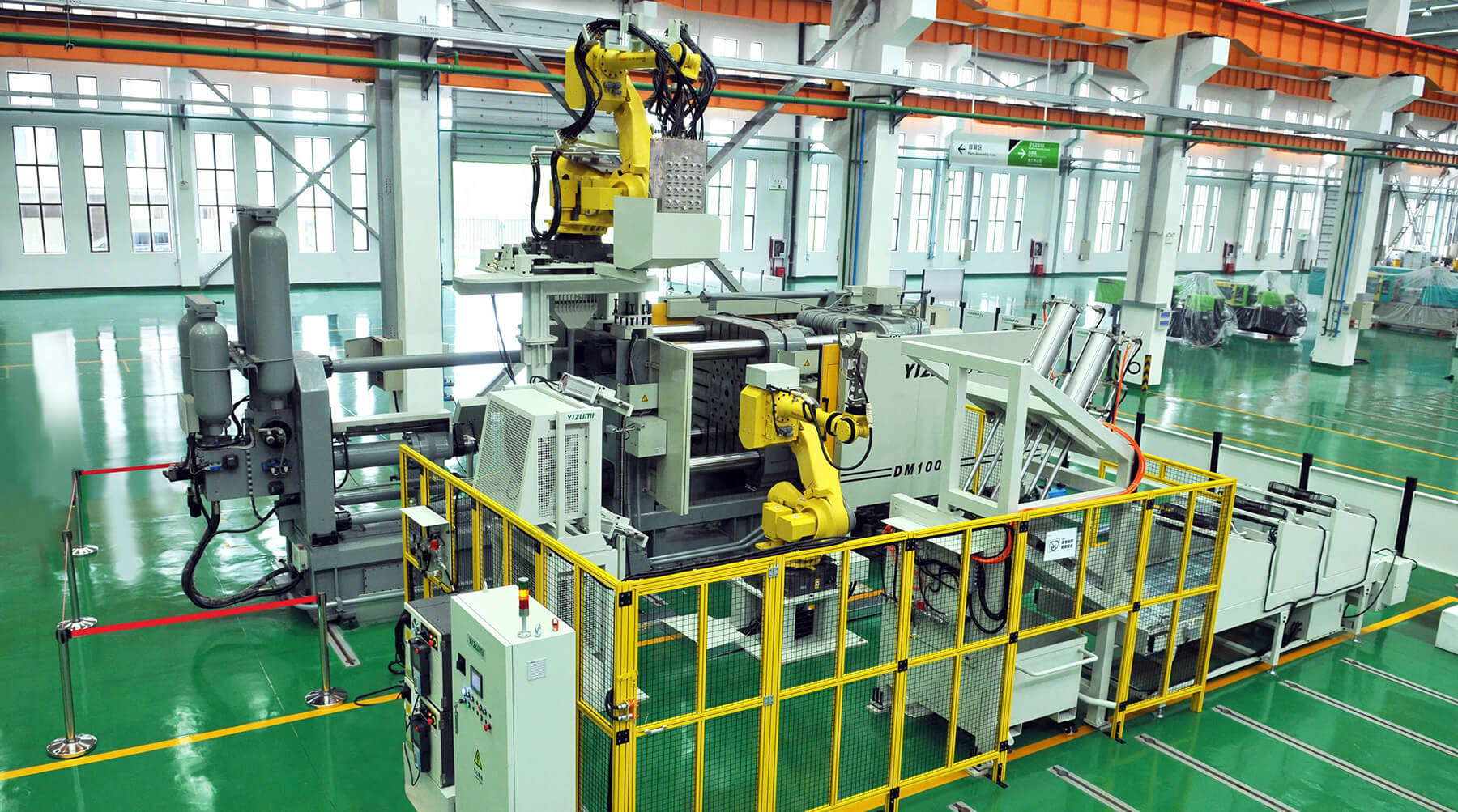
Modern Injection Molding For Intelligent Manufacturing
Applications Where Vacuum Injection Makes a Measurable Difference
Vacuum chamber injection machines are particularly valuable in industries where visual quality, airtight performance, or dimensional accuracy are non-negotiable.
Silicone and Rubber Components
Silicone and rubber materials are prone to trapping air due to their elasticity and viscosity. Vacuum injection ensures uniform filling, making it ideal for gaskets, seals, connectors, and medical-grade components.
Electronics and Electrical Parts
Encapsulation parts, connectors, and insulating components often include narrow channels or enclosed spaces. Vacuum-assisted molding prevents voids that could compromise electrical insulation or long-term reliability.
Automotive and Industrial Sealing
Automotive rubber parts must withstand pressure, temperature, and vibration. Internal bubbles can shorten service life. Vacuum molding improves density and structural integrity.
Optical and Transparent Parts
Air bubbles are immediately visible in transparent or translucent products. Vacuum chamber injection machines help achieve smooth, clear surfaces without post-processing.
Why Rubber Molding Manufacturers Are Shifting to Vacuum Technology
Many rubber molding manufacturers initially rely on conventional injection systems with enhanced venting. Over time, several limitations become apparent:
- l Vents wear out and require frequent maintenance
- l Flash increases as vent gaps widen
- l Manual trimming raises labor costs
- l Inconsistent quality between molds and machines
Vacuum chamber injection machines eliminate these variables by creating a stable molding environment that does not depend on mechanical venting accuracy. This shift supports automation, improves repeatability, and reduces dependence on operator experience.
Process Stability and Automation Benefits
Another major advantage of vacuum chamber injection machines lies in their compatibility with automated production. Since venting movements are eliminated, molds can operate with fewer mechanical actions, reducing cycle time and failure points.
With proper vacuum control:
- l Flash formation is minimized
- l Mold wear is reduced
- l Robots and peripheral automation can operate more reliably
- l Long production runs maintain consistent quality
For factories aiming to scale output while maintaining strict quality standards, vacuum injection technology supports both efficiency and stability.
Selecting the Right Vacuum Chamber Injection Machine
Choosing the right equipment involves more than vacuum capability alone. Buyers should evaluate machines based on several practical criteria:
Product Performance: The machine should deliver stable injection pressure and accurate vacuum control to match product complexity.
Product Quality: Consistent cavity evacuation leads to better surface finish, internal density, and dimensional accuracy.
Ease of Use: Clear parameter settings, intuitive controls, and real-time vacuum monitoring reduce setup errors and training time.
Safety Requirements: Well-designed vacuum systems ensure operator safety and protect molds from sudden pressure changes.
These considerations help ensure that the investment delivers long-term value rather than short-term improvements.
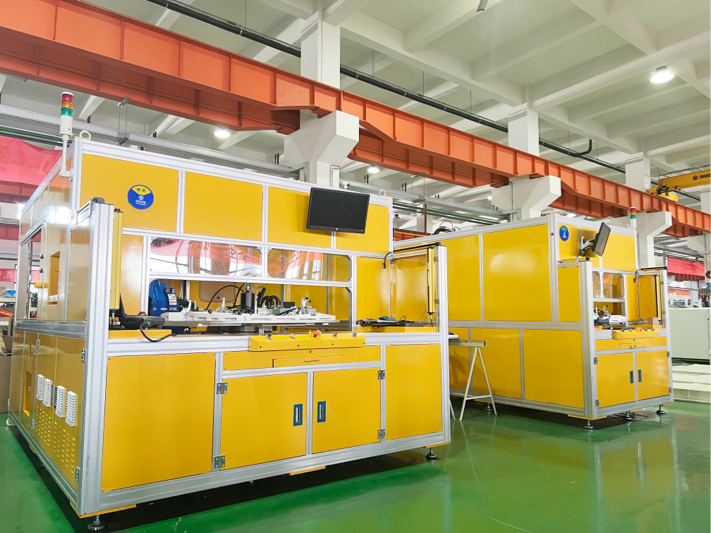
Robot Automation Solutions for Injection Molding
Integrating Vacuum Injection into the Production Process
Successful implementation starts well before machine installation. A structured service process ensures that vacuum molding delivers its full potential.
Process and Mold Analysis: Understanding where air entrapment occurs allows engineers to design molds optimized for vacuum conditions.
Raw Material Selection: Different materials respond differently under vacuum. Proper selection improves flow and curing behavior.
Product Design Optimization: Minor changes in wall thickness or flow paths can significantly enhance vacuum efficiency.
Mold Flow Analysis: Simulation tools help predict filling behavior and identify potential air traps before mold manufacturing.
Mold Design Suggestions: Vacuum ports, sealing surfaces, and cavity layout must be planned precisely for consistent evacuation.
Whole Plant Planning for Vacuum Injection Systems
For manufacturers upgrading or expanding capacity, vacuum chamber injection machines should be integrated into a broader production strategy.
l Production line planning ensures smooth material and part flow
l Optimized arrangements of people, machines, and materials improve efficiency
l Peripheral automation reduces manual handling
l Smart connections support data tracking and quality control
This holistic approach helps companies move toward smarter, more connected manufacturing environments.
Delivery and After-Sales Support Matter
Equipment performance depends heavily on proper installation and ongoing support.
Delivery Solutions
Professional installation and debugging ensure machines perform as designed from day one. On-site operation training shortens the learning curve for production teams, while molding process training helps optimize parameters for different products.
After-Sales Solutions
Reliable after-sales service protects long-term productivity. Preventive maintenance reduces unplanned downtime, while device upgrades keep equipment aligned with evolving production needs. Responsive technical support ensures issues are resolved quickly without disrupting schedules.
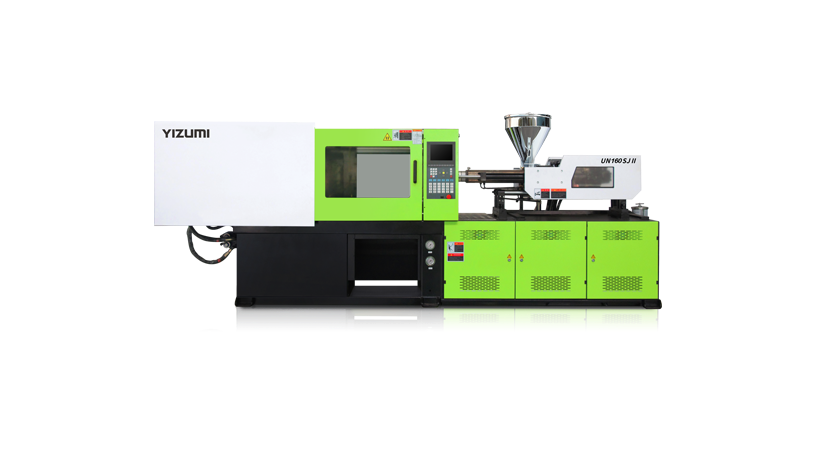
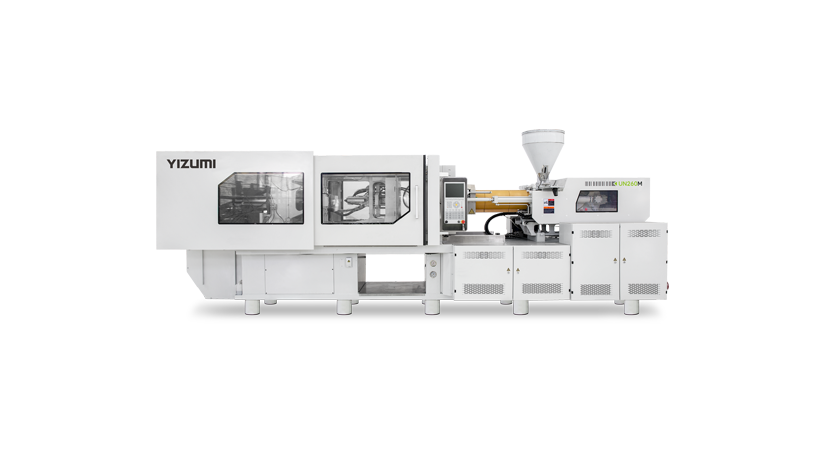
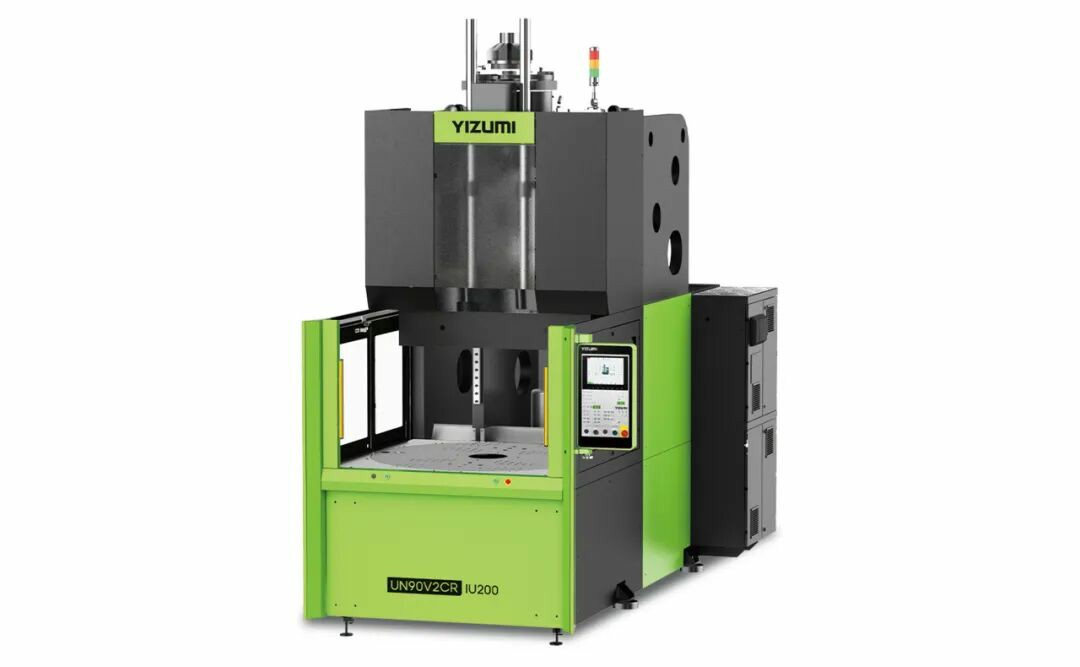
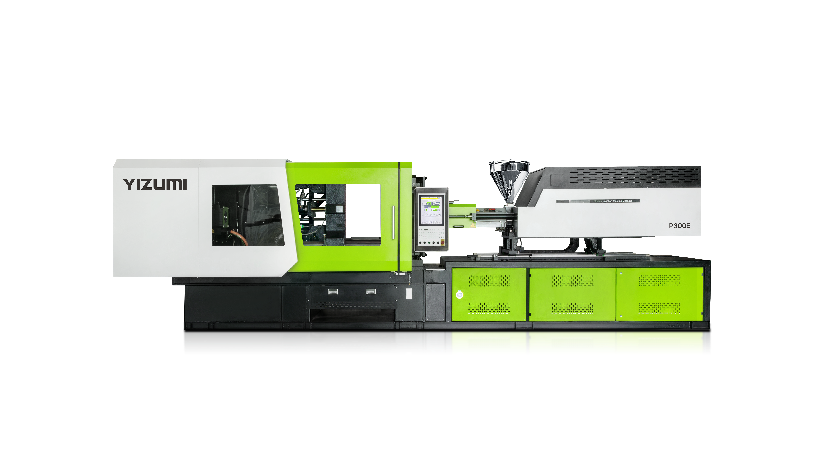
YIZUMI Vacuum Chamber Injection Machine
The YIZUMI vacuum chamber silicone injection machine is designed to address air entrapment and venting challenges at their source. By creating a controlled vacuum environment inside the mold cavity, the system ensures precise, high-quality molding even for products with demanding venting requirements.
This solution is suitable for molding a wide range of products where air entrapment is common, venting is difficult, or traditional venting is not allowed. Accurate vacuum control allows operators to quickly achieve target vacuum levels with clear settings, display, and monitoring functions.
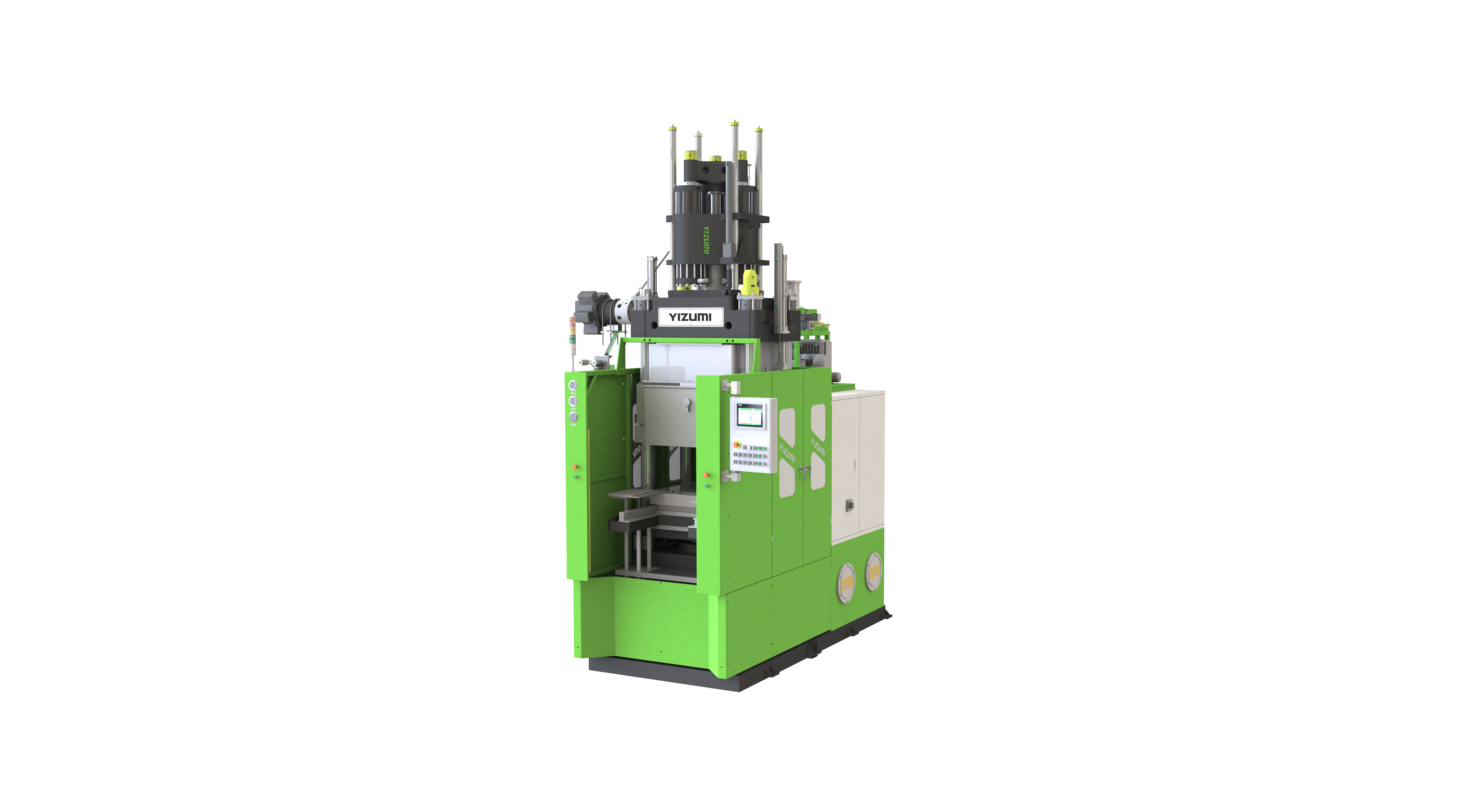
Vacuum chamber injection machine
The absence of venting movements reduces flash formation and supports stable automatic production. With fewer mechanical actions, the system enhances reliability and supports long, uninterrupted production runs.
Beyond equipment itself, YIZUMI supports customers through a comprehensive service process, from mold and process analysis to raw material selection and mold flow simulation. Equipment selection guidance focuses on product performance, quality expectations, usability, and safety.
For manufacturers planning expansion, YIZUMI provides whole-plant planning advice, covering production line layout, automation integration, and smart factory connections. Delivery solutions include professional installation, debugging, and on-site training, while after-sales support offers preventive maintenance, device upgrades, and YFO services to protect long-term performance.
Conclusion
As product designs grow more complex and quality expectations rise, controlling air entrapment has become a central challenge in injection molding. Vacuum chamber injection machines offer a proven solution by eliminating trapped gases, improving material flow, and stabilizing production processes.
For rubber molding manufacturers and high-precision component producers, adopting vacuum injection technology reduces defects, supports automation, and enhances overall competitiveness. With accurate control, strong service support, and integrated production planning, vacuum chamber injection machines are not just a quality upgrade but a strategic investment in sustainable manufacturing growth.