Thin Wall Injection Molding for Consumer Packaging: Trends & Innovations
Abstract:
In the fast-paced consumer packaging market, the mandate is clear: lighter, faster, and more sustainable. Thin-wall injection molding is the core strategy for achieving these goals, but the technology is evolving rapidly. This article highlights the key innovations in materials, machinery, and automation that are defining the future of packaging and giving leading brands their competitive edge.
Thin wall injection molding has become a defining technology in consumer packaging, delivering lightweight, precise, and cost-efficient products. This process allows manufacturers to produce high-quality packaging with wall thicknesses often less than 1 mm, without compromising durability. Its applications span food containers, cosmetic jars, medical vials, and electronics housings.
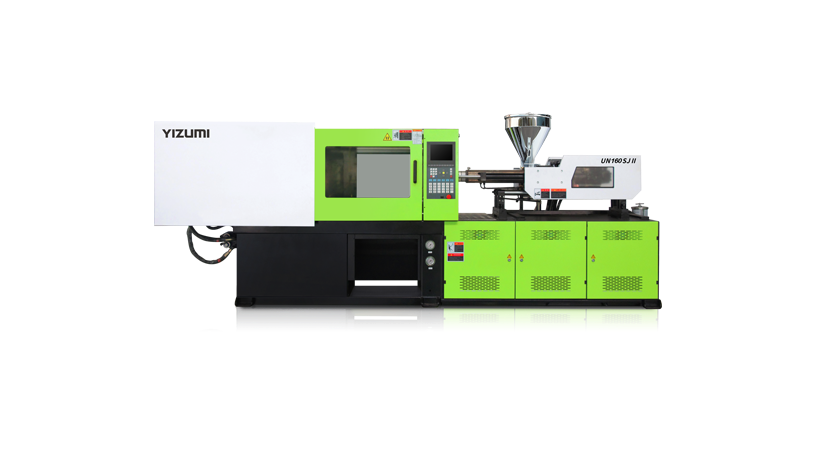
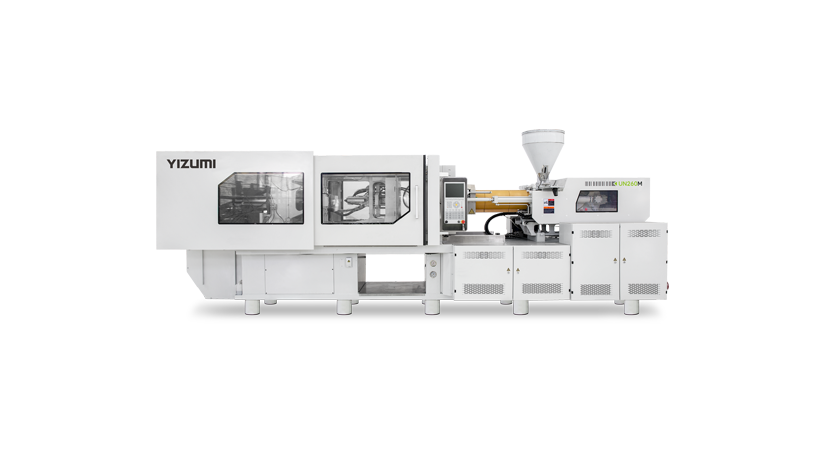
High-performance thin wall injection molding machines, such as YIZUMI’s SJII series, bring advancements in speed, precision, and material efficiency, enabling manufacturers to meet both market demand and sustainability requirements.
Why Thin Wall Injection Molding is Vital in Consumer Packaging
Modern consumers demand packaging that is functional, lightweight, and visually appealing. Thin wall injection molding addresses these needs by enabling:
- l Material reduction: Thinner walls reduce plastic usage, which lowers production costs and environmental footprint.
- l Faster production cycles: Less material means shorter cooling times, allowing high-volume production without sacrificing quality.
- l Design flexibility: Complex shapes, intricate geometries, and integrated features can be molded consistently.
- l Enhanced sustainability: Lightweight packaging supports recycling and sustainability goals, which are increasingly important to global brands.
As sustainability, cost-efficiency, and consumer preferences converge, thin wall injection molding has become a standard for packaging manufacturers aiming to balance performance with eco-conscious design.
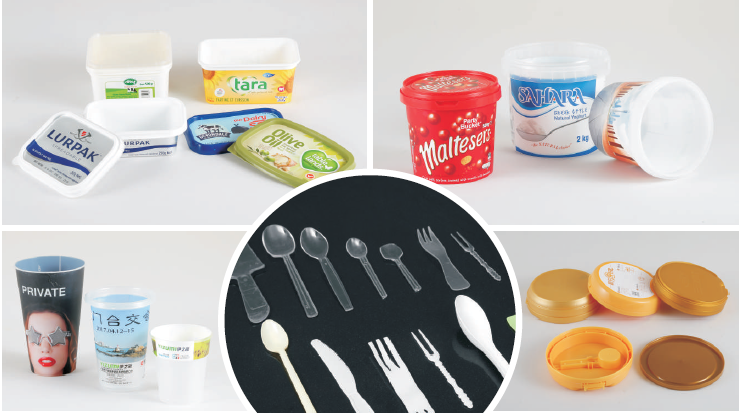
Thin Wall Injection Molding For High-Speed Packaging
Market Trends Driving Adoption
Several trends are fueling the growth of thin wall injection molding in consumer packaging:
Rising demand for lightweight packaging: In food and beverage sectors, reducing packaging weight decreases transportation costs and improves shelf appeal.
Sustainability requirements: Regulatory and consumer pressures encourage the use of thinner, recyclable, or bio-based plastics.
High-volume production needs: Fast-moving consumer goods (FMCG) require injection molding machines capable of handling continuous, precise production.
Customization and branding: Complex shapes and decorative features require high-precision molding with minimal variation, achievable through advanced thin wall injection molding.
The combination of these factors has increased the need for thin wall injection molding solutions that deliver efficiency, reliability, and consistent quality at scale.
Technological Advancements in Thin Wall Injection Molding
Technological innovation underpins the effectiveness of thin wall injection molding. Key advancements include:
1. High-Speed Injection and Precision Control
Modern injection molding machines are capable of extremely high injection speeds while maintaining precise control over pressure and temperature. This ensures that thin walls are filled quickly without defects such as warping, sink marks, or incomplete filling.
2. Optimized Clamping Systems
High-rigidity clamping units prevent platen deformation and ensure a stable clamping force during injection. This is crucial for maintaining wall thickness consistency in thin-walled parts.
3. Advanced Injection Units
Optimized screws and injection units improve plasticizing speed, color uniformity, and material mixing. This minimizes defects and supports precision in complex designs, making thin wall injection molding machines ideal for consumer packaging with intricate features.
4. Energy Efficiency
Innovations such as energy-saving barrels and optimized heating systems reduce energy consumption, cutting operational costs and improving environmental performance.
These technologies collectively enable manufacturers to produce high-quality, thin wall packaging with superior efficiency.
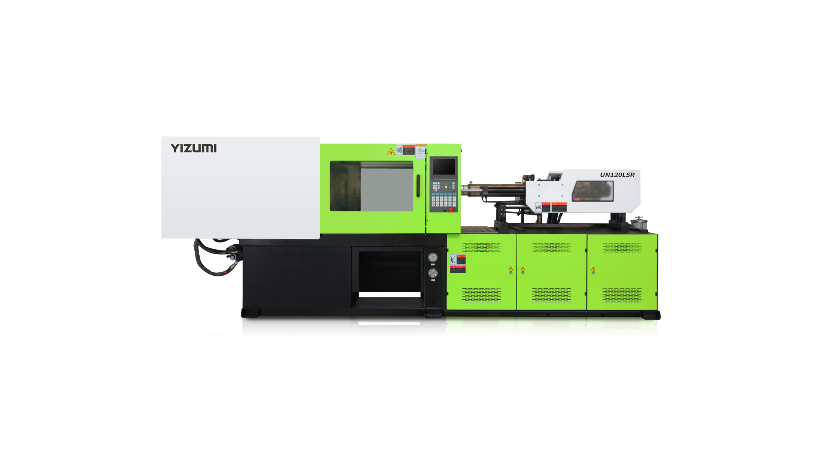
YIZUMI Injection Molding Machine For Thin-wall Product
YIZUMI Thin Wall Injection Molding Machines
YIZUMI’s SJII series injection molding machines represents a benchmark for high-end thin wall molding. With clamping forces ranging from 900 to 1,600 kN, these machines are engineered for high-precision, high-speed production. Their features are specifically designed to address the challenges of thin wall molding:
High-Rigidity Clamping Unit
- l Minimizes platen deformation, ensuring consistent clamping force.
- l Enhances part quality and reduces mold wear, critical for ultra-thin walls.
T-Slot Mold Mounting & Extended Tie-Bar Guiding
- l Horizontal platens combine T-slots with mold mounting holes for easier mold installation.
- l Vertical platens feature mold mounting holes to enhance rigidity.
- l Extended tie-bar guiding improves movable platen stability, reducing wear on mold guide rods and maintaining dimensional accuracy.
Optimized Injection Unit
- l Upgraded screws allow faster plasticizing and uniform material flow.
- l Improved color mixing minimizes variations in packaging aesthetics.
- l D26 screw in the 160T model provides flexibility for precision molding, meeting diverse production requirements.
User-Friendly Design and Energy Efficiency
- l Double carriage cylinders reduce guide rod stress during injection, improving accuracy.
- l Energy-saving barrels cut heating energy by 5–8% while maintaining consistent melt temperature.
- l Simplified maintenance and operation improve productivity, reducing downtime.
Benefits for Consumer Packaging Manufacturers
Reduced material waste from optimized injection and thin wall molding.
Faster production cycles due to high injection speed and rapid cooling.
Consistent quality in color, surface finish, and dimensional accuracy.
Sustainable production through energy-efficient design and material optimization.
Practical Applications in Consumer Packaging
Thin wall injection molding is widely used in consumer packaging applications that require both aesthetic appeal and functional integrity. Key examples include:
1. Food & Beverage Packaging
- l Yogurt cups, disposable lids, and drink containers benefit from thin walls that reduce material use and improve cooling times.
- l Machines like the SJII series ensure consistent wall thickness and dimensional accuracy for high-volume production.
2. Cosmetic Packaging
- l Cream jars, lipstick tubes, and compact cases demand precise molding for intricate designs and high-quality finishes.
- l Optimized screw and injection units ensure color uniformity and smooth surfaces.
3. Medical and Pharmaceutical Packaging
- l Syringes, vials, and caps require stringent precision and repeatability.
- l Thin wall molding machines offer the accuracy needed to meet regulatory standards.
4. Electronics and Consumer Goods Packaging
- l Lightweight housings and protective covers require thin walls for durability and material efficiency.
- l High-speed injection ensures cost-effective mass production without compromising quality.
By adopting advanced thin wall injection molding solutions, manufacturers can reduce production costs, improve product quality, and meet growing demands for lightweight and sustainable packaging.
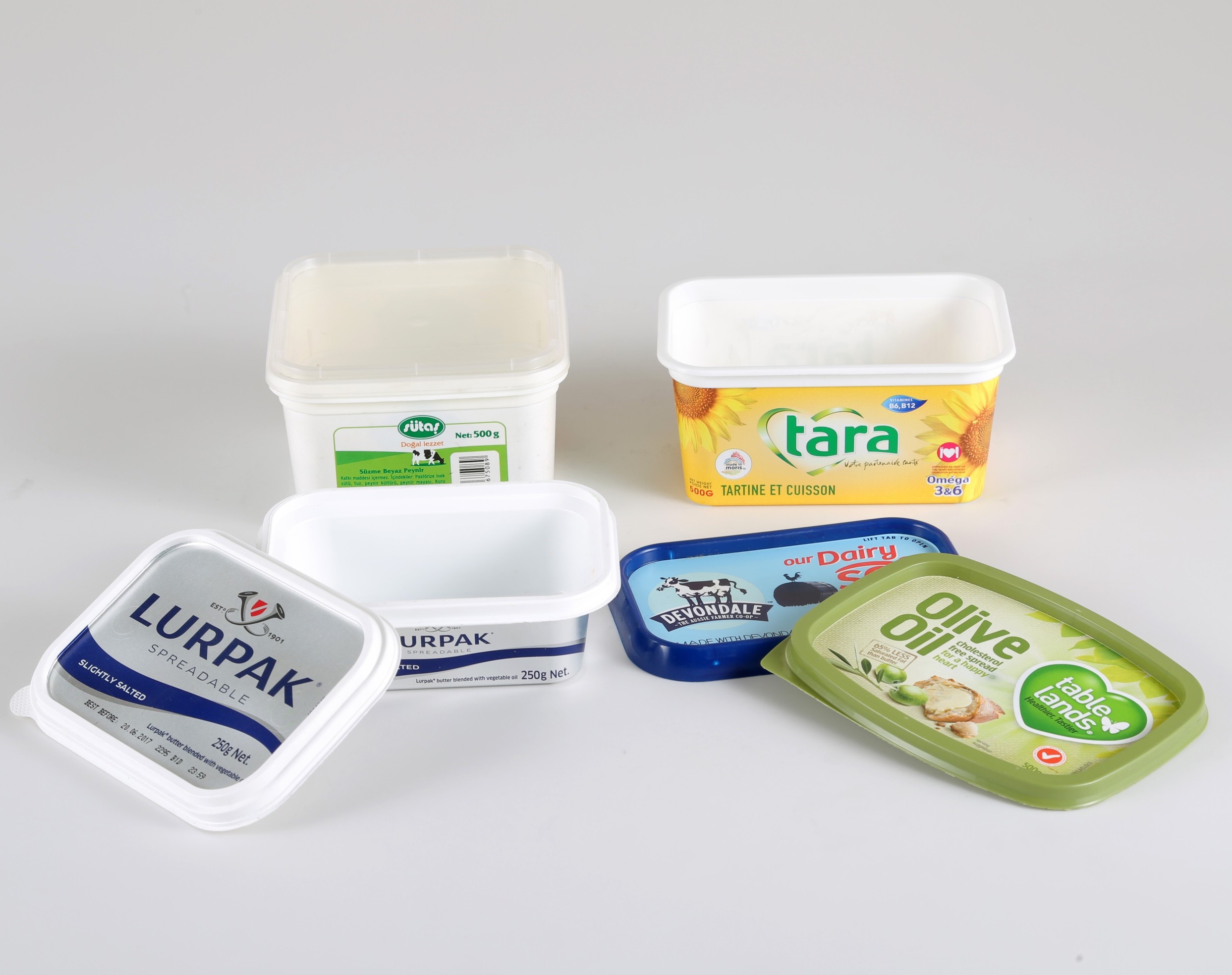
Thin Wall Injection Molding for food packaging
Emerging Trends in Thin Wall Injection Molding
The industry is evolving with new technologies, materials, and practices:
Smart Manufacturing & Automation
- l Machines integrated with IoT sensors allow real-time monitoring of injection parameters, predictive maintenance, and automated adjustments.
- l Smart systems enhance precision, reduce defects, and optimize production efficiency.
Material Innovation
- l Recyclable and bio-based plastics are becoming more common, driven by sustainability initiatives.
- l Thin wall molding enables these materials to be used efficiently without compromising part strength or performance.
Energy-Efficient Production
- l Energy-saving designs, optimized heating systems, and faster cycle times contribute to greener operations.
- l Companies can achieve sustainability targets while lowering operational costs.
Global Regulatory Compliance
- l Stricter packaging regulations and environmental standards demand precise control over material use, wall thickness, and recyclability.
- l Advanced thin wall injection molding machines help manufacturers meet these requirements consistently.
Choosing the Right Thin Wall Injection Molding Machine
Selecting the right machine is critical for achieving consistent quality, efficiency, and cost-effectiveness:
Clamping force and platen rigidity: Ensure stability for ultra-thin parts.
Injection unit optimization: Enables faster plasticizing, improved mixing, and precision control.
User-friendly design: Reduces downtime and simplifies maintenance.
Energy efficiency: Minimizes operational costs while supporting sustainability initiatives.
YIZUMI’s SJII series thin wall injection molding machine combines all these features, making it an ideal choice for businesses producing high-end consumer packaging.
Conclusion
Thin wall injection molding continues to reshape consumer packaging by providing lightweight, precise, and cost-effective solutions. YIZUMI’s SJII series thin wall injection molding machine offers advanced machinery that meets the demands of modern manufacturers, from high-speed production to sustainable operations.
By investing in high-performance thin wall injection molding machines, businesses can achieve consistent quality, reduce material waste, improve cycle efficiency, and meet evolving sustainability goals. Contact us today to discover how our advanced solutions can help you stay competitive and future-ready.