How to Choose a PET Preform Injection Molding Machine: Buyer's Checklist
Abstract:
Choosing the right PET preform injection molding machine starts with your preform weight, cavities, shot size, clamping force and mold fit. See how cooling, energy use, automation and supplier support affect output, quality and cost per preform before you request a quote and reduce project risk now.
Choosing a PET preform injection molding machine is not only a technical decision. It is also a production, cost and long-term business decision. The right machine should help you produce stable preforms, reduce energy use, shorten cycle time and support future product changes.
For most buyers, the key question is simple: Can this machine produce my preform at the required output, quality and cost per piece?
To answer that, do not start with machine tonnage alone. Start with your preform specification, mold plan and production target. Then match the machine’s injection unit, clamping system, platen size, cooling capacity, energy efficiency and automation options.
Quick Answer: What Should You Check First?
To choose the right PET preform injection molding machine, check these eight factors first:
· Preform weight
· Number of mold cavities
· Total shot weight
· Theoretical shot capacity
· Required clamping force
· Mold size and tie-bar distance
· Cooling and cycle time
· Energy use, automation and supplier support
A good machine is not simply the largest one you can buy. It is the one that fits your product, mold, production volume and long-term operating cost.
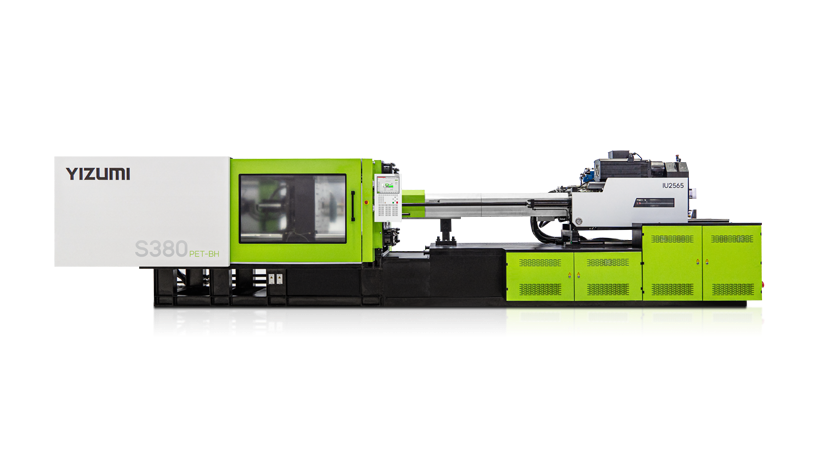
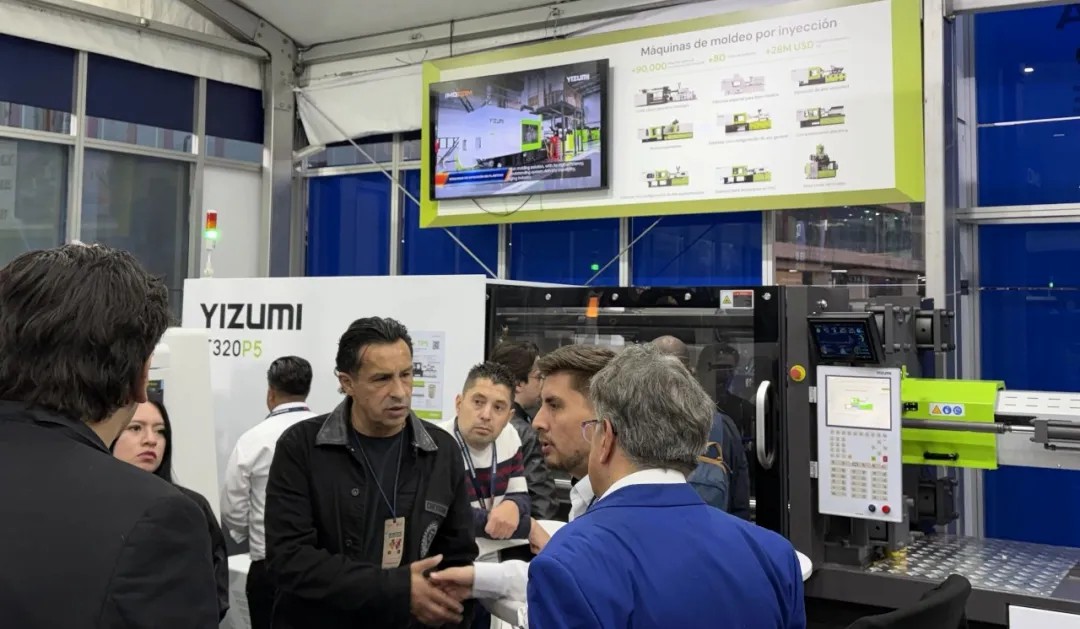
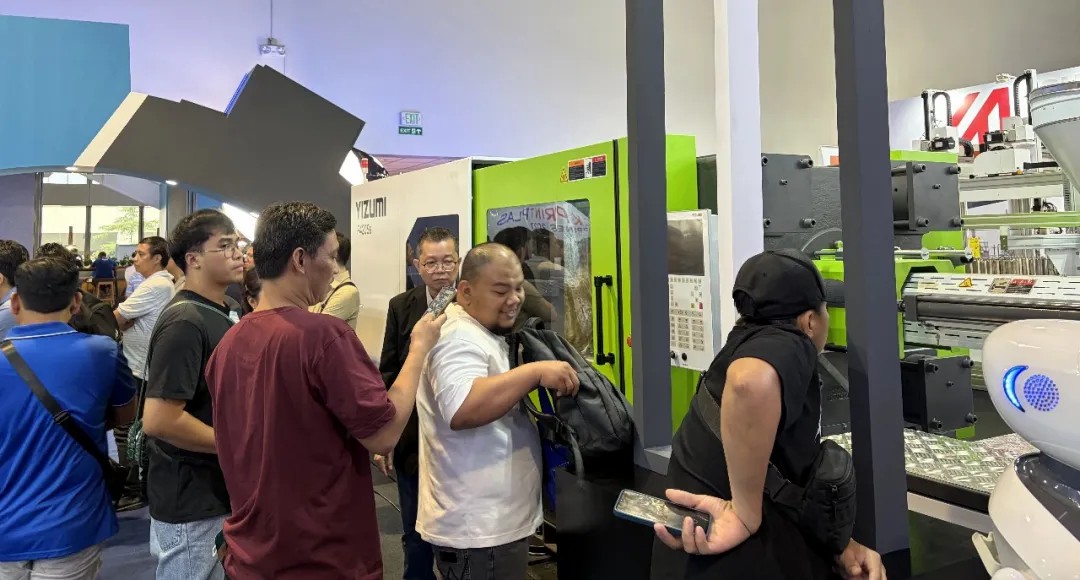
SPET Series Injection Molding Machine For PET Products
Start with Your Preform Specification
Before requesting a machine quote, prepare your preform data. Without these details, the machine recommendation may be inaccurate.
| Information to Prepare | Why It Matters |
| Preform weight | Decides total injection volume |
| Neck finish | Affects mold design and application |
| Number of cavities | Affects output, shot size and clamping force |
| Material type | Virgin PET, rPET or blended material need different process control |
| Target output | Helps decide machine size and cycle requirement |
| Bottle application | Water, beverage, oil, cosmetics and food packaging have different quality needs |
| Mold dimensions | Must match platen size, tie-bar distance and mold thickness range |
For example, a 16.5 g water bottle preform and a 45 g edible oil preform may require very different injection units, mold cooling systems and machine configurations. Choosing only by clamping force can lead to poor plasticizing capacity, longer cycle times or higher energy waste.
Calculate the Required Shot Weight
The first practical calculation is: Total shot weight = preform weight × number of cavities
However, the machine’s theoretical shot weight should not be exactly the same as the total shot weight. PET molding needs a stable process window.
This safety margin helps avoid running the injection unit too close to its limit. If the injection unit is undersized, the result may be unstable preform weight, slower recovery, longer cycles and less flexibility for future products.
Match Plasticizing Capacity with Cycle Time
Shot size tells you whether the machine can inject enough material. Plasticizing capacity tells you whether it can prepare the next shot fast enough.
This is critical in PET preform production because many lines run continuously. If the screw recovery time is longer than the cooling time, the machine cannot reach the target cycle. That means lower output, even if the machine looks suitable on paper.
When checking the injection unit, ask:
· Is the screw design suitable for PET?
· Can the machine finish plasticizing within the cooling time?
· Is melt temperature stable during long production runs?
· Can the machine handle different preform weights?
· Is there enough capacity for future mold or product upgrades?
YIZUMI SPET Series is designed for PET bottle preforms, cosmetics and daily storage products. Its enhanced screw speed improves plasticizing capacity by 5–10%, and its flexible injection unit configurations support different PET product needs.
Check Clamping Force, But Do Not Overbuy Tonnage
Clamping force keeps the mold closed during injection. If clamping force is too low, the mold may flash, dimensions may become unstable and product quality may suffer. If clamping force is much higher than needed, the machine may waste energy and increase mold stress.
Required clamping force depends on:
· Projected area of cavities and runners
· Number of cavities
· Injection pressure
· Mold structure
· Safety factor
A practical early-stage estimate can be made with the mold’s projected area, but final confirmation should come from the mold and machine engineering teams.
The common mistake is to think “bigger is safer.” In PET preform molding, the better approach is right-sized clamping force with stable platen support.
Confirm Mold Fit Before Confirming the Machine
A PET preform mold is a major investment. Before choosing the machine, confirm whether the mold physically and functionally fits the machine.
Check these items carefully:
| Mold-Machine Item | What to Confirm |
| Tie-bar distance | Mold width and height must fit safely |
| Platen size | Mold should be properly supported |
| Mold thickness range | Mold must fit within machine adjustment limits |
| Opening stroke | Enough space for preform ejection |
| Ejector force and stroke | Suitable for the preform mold |
| Hot runner interface | Electrical and control compatibility |
| Cooling connections | Enough water flow for fast cooling |
| Robot take-out space | Important for high-cavity molds |
If you already have a mold drawing, share it with the machine supplier early. If you are building a new production line, evaluate the machine, mold, dryer, chiller, robot and auxiliary equipment as one complete system.
Cooling Often Decides Real Output
In PET preform production, cooling usually takes a large part of the cycle. A faster injection machine cannot deliver real value if the mold and cooling system cannot support the target cycle.
Good cooling helps:
· Shorten cycle time
· Improve wall thickness stability
· Reduce deformation
· Improve transparency
· Lower scrap rate
· Support high-cavity production
Ask your supplier for real production data, not only catalog numbers. Useful data includes cycle time, cooling water temperature, flow rate, preform weight tolerance, AA value, IV value and energy consumption.
Compare Energy Consumption, Not Only Purchase Price
PET preform machines often run for long hours, so energy cost can strongly affect profit. A lower purchase price may not mean a lower total cost.
When comparing machine options, ask for:
· Energy use per cycle
· Energy use per kilogram or ton of material
· Real test data under similar production conditions
· Servo or electric plasticizing configuration
· Energy monitoring functions
· Auxiliary equipment energy demand
YIZUMI SPET Series uses standard electric plasticizing, which can reduce energy use by 10–30%. It also offers an optional energy consumption management system that displays total electricity use, previous-cycle energy use and real-time power consumption.
This is especially important as recycled PET becomes more relevant. In the United States, the PET bottle recycling rate was 30.2% in 2024, and recycled-content expectations continue to influence PET packaging production. For buyers, this means future-ready equipment should support stable processing, traceable data and efficient operation.
Plan Automation from the Beginning
Automation should be considered during machine selection, not added as an afterthought.
Depending on your production scale, a PET preform line may include:
· Dehumidifying dryer
· Auto loader
· Chiller
· Mold temperature control
· Robot take-out
· Cooling conveyor
· Vision inspection
· Energy monitoring
· Centralized production management
For high-cavity molds, manual handling is not realistic. Even for medium-volume production, automation can improve consistency, reduce labor dependency and protect preform cleanliness.
Think About Future Product Changes
The machine you buy today may need to support new preform weights, different neck finishes, lightweight designs or recycled PET blends in the future.
Before purchasing, ask:
· Can the injection unit support different shot weights?
· Is the control system expandable?
· Can the machine connect with automation equipment?
· Can energy and production data be monitored?
· Can the supplier support future line upgrades?
Buyer is Checklist Before Requesting a Quote
Before contacting a supplier, prepare the following:
· Preform drawing or sample
· Preform weight
· Neck finish
· Number of cavities
· Target hourly or daily output
· Resin type and rPET ratio
· Mold dimensions
· Required cycle time
· Factory power supply
· Cooling water conditions
· Automation requirements
· Quality acceptance standards
· Budget range
· Local service requirements
The more complete your data, the more accurate your machine recommendation will be.
FAQ
Q1. What size PET preform injection molding machine do I need?
It depends on preform weight, cavity number, total shot weight, projected area, mold size and target output. Do not select the machine by clamping force alone.
Q2. Why should theoretical shot weight be higher than actual shot weight?
A safety margin gives the injection unit a more stable process window. For PET preforms, a theoretical shot weight of at least 1.35 times the actual total shot weight is often recommended.
Q3. Is a larger clamping force always better?
No. Oversized clamping force may increase energy use and mold stress. The best choice is properly matched clamping force with stable platen support.
Q4. What affects PET preform cycle time most?
Mold cooling, plasticizing recovery, injection speed, preform weight, cavity number and automation all affect cycle time. Cooling is often one of the most important factors.
Q5. Should I choose a turnkey PET preform solution?
If you are building a new line or upgrading from general injection molding equipment, a turnkey solution can reduce matching risks between machine, mold, dryer, chiller, robot and auxiliary equipment.
Conclusion
Choosing a PET preform injection molding machine is about matching the whole production system, not just selecting a machine model.
Before making a decision, confirm:
· Your preform weight and cavity number
· Required shot weight and safety margin
· Clamping force and mold fit
· Plasticizing capacity and cooling performance
· Energy use and cost per preform
· Automation requirements
· Supplier experience and service support
For manufacturers producing PET bottle preforms, cosmetic packaging or daily storage products, YIZUMI SPET Series offers a practical solution focused on stable molding, energy saving, flexible configuration and long-term production value.
If you are planning a new PET preform project or upgrading an existing line, share your preform drawing, target output and production requirements with YIZUMI to receive a suitable machine configuration recommendation.