How to Compare Injection Molding Machine Price, Performance, and Long-Term Cost
Abstract:
Injection molding machine selection should balance price, performance, and long-term operating cost rather than focusing on purchase price alone. Key factors include energy efficiency, cycle stability, precision, clamping rigidity, and maintenance needs. Machine type and application fit strongly influence scrap rate, downtime, and total production cost.
Injection molding machine selection should not be based on purchase price alone. In real production, the machine affects cycle time, energy consumption, part consistency, scrap rate, mold protection, maintenance frequency, and overall manufacturing cost. A lower initial price may look attractive, but it can create higher operating costs if the machine lacks stability, precision, or service support.
For buyers, the real comparison should focus on price, performance, and total cost of ownership. This means evaluating not only what the machine costs to buy, but also how efficiently it runs, how consistently it produces qualified parts, and how much value it delivers over years of operation.
Why Injection Molding Machine Price Varies So Much
Injection molding machine price is affected by far more than tonnage. A 250-ton machine from two different suppliers may not have the same hydraulic system, controller accuracy, platen rigidity, injection speed, energy efficiency, or long-term stability.
Common factors that influence machine price include:
· Clamping force and machine size
· Hydraulic, electric, or hybrid drive system
· Injection unit capacity and screw design
· Servo motor and energy-saving configuration
· Controller brand and software functions
· Tie-bar spacing and platen structure
· Mold compatibility and customization needs
· Automation readiness
· Precision, repeatability, and cycle stability
· After-sales service, spare parts, and warranty coverage
A lower-priced machine may be enough for simple products with loose tolerances. But for thin-wall parts, precision components, automotive parts, medical packaging, multi-cavity molds, or long production runs, machine performance can affect the real cost more than the purchase price.
Match the Injection Molding Machine to the Production Application
The biggest mistake buyers make is asking for a machine quote before clearly defining the production requirement. A machine should be selected around the part, mold, resin, output target, and quality standard.
Before comparing prices, define:
· What products will be molded?
· What resin will be used?
· What is the part weight?
· What is the projected annual output?
· What is the required cycle time?
· How many cavities will the mold have?
· What tolerance or appearance standard must be maintained?
· Will the product require automation, robots, conveyors, or auxiliary equipment?
· Is the goal low-volume flexibility or high-volume stability?
The best machine is not always the highest-spec model. It is the one that matches the real production job without creating unnecessary cost or capacity limitations.
Initial Machine Price vs. Real Production Cost
The purchase price is only the first layer of cost. In actual factory operation, a machine creates cost every hour it runs — or fails to run.
| Cost Area | What Buyers Should Check |
| Machine purchase price | Base machine cost, configuration, optional upgrades |
| Energy consumption | Servo efficiency, motor power, heating system, idle energy use |
| Cycle time | Mold opening/closing speed, injection speed, cooling efficiency |
| Scrap rate | Process stability, repeatability, pressure and temperature control |
| Maintenance cost | Wear parts, oil system, electrical components, service intervals |
| Downtime risk | Machine reliability, spare parts availability, technical support |
| Labor cost | Ease of operation, automation compatibility, troubleshooting demand |
| Mold protection | Clamping accuracy, platen rigidity, mold safety functions |
| Long-term flexibility | Ability to handle future molds, materials, and product upgrades |
Key Performance Factors That Affect Long-Term Cost
1. Energy Efficiency
Energy cost is one of the most important long-term cost factors in injection molding. Machines with servo-driven hydraulic systems or all-electric drive systems can reduce unnecessary energy use, especially during holding, cooling, and idle stages.
When comparing machines, ask for:
· Average energy consumption per cycle
· Servo motor configuration
· Heating efficiency
· Cooling system requirements
· Real production energy data, not only catalog claims
2. Cycle Time Stability
Cycle time directly affects output. Even a small difference can become significant in mass production. For example, if one machine produces the same part in 28 seconds and another needs 32 seconds, the faster machine may produce thousands of additional parts per week. But speed alone is not enough. The machine must maintain cycle stability without causing flash, short shots, burn marks, dimensional variation, or mold wear.
Buyers should evaluate:
· Dry cycle speed
· Mold open/close response
· Injection acceleration
· Plasticizing capacity
· Cooling consistency
· Repeatability over long runs
3. Injection Precision and Repeatability
For precision molding, repeatability matters more than general machine size. A machine must control shot volume, injection pressure, holding pressure, screw position, and temperature consistently.
Poor repeatability can lead to:
· Unstable part weight
· Dimensional variation
· Higher scrap rate
· More frequent process adjustment
· Longer startup time after mold changes
· Customer quality complaints
4. Clamping System Rigidity
The clamping unit does more than close the mold. It affects mold protection, flash control, part consistency, and mold life.
Important points include:
· Platen rigidity
· Tie-bar spacing
· Clamping force distribution
· Mold height range
· Mold opening stroke
· Ejector force and stroke
· Mold protection sensitivity
5. Plasticizing Capacity
The injection unit must match the resin, shot weight, part structure, and production speed. If the screw is too small, it may struggle to plasticize enough material. If it is too large, shot control may become less stable for small parts.
· Screw diameter
· Shot volume
· Plasticizing rate
· Injection pressure
· Injection speed
· Resin compatibility
· Screw and barrel wear resistance
Hydraulic, Electric, or Hybrid: Which Machine Makes More Sense?
Hydraulic Injection Molding Machines
Hydraulic machines are widely used because they are powerful, durable, and suitable for many general-purpose applications. They often have a lower initial price than all-electric machines.
Best fit for:
· General plastic products
· Large molded parts
· Medium-precision applications
· Factories that need broad material flexibility
· Buyers focused on practical investment cost
Main considerations:
· Higher energy consumption than electric models
· More hydraulic oil maintenance
· Potential heat and leakage management
· Greater dependence on hydraulic system quality
Electric Injection Molding Machines
Electric injection molding machines usually offer higher precision, cleaner operation, faster response, and lower energy consumption. Their initial price is often higher, but they can be cost-effective in precision or high-volume production.
Best fit for:
· Medical parts
· Electronic components
· Thin-wall packaging
· High-precision products
· Clean production environments
· Long runs where energy savings matter
Main considerations:
· Higher purchase price
· Higher requirements for technical service
· Less ideal for some very large-force applications
· Repair cost may be higher depending on components
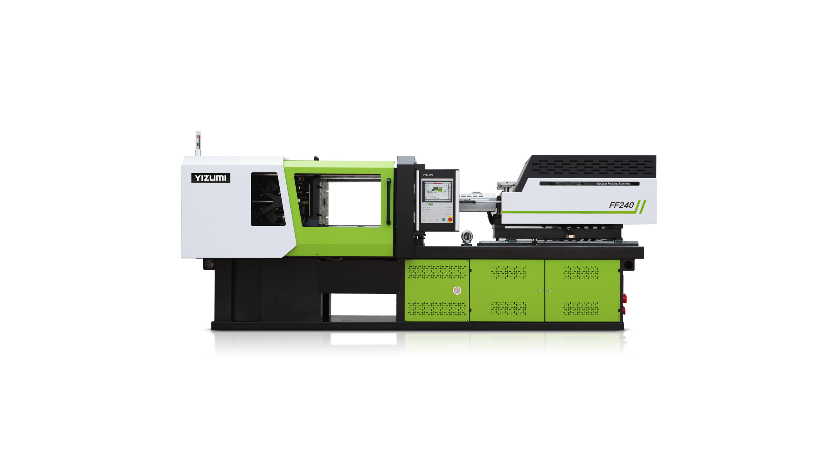
FF Series Electric Injection Molding Machine
Hybrid Injection Molding Machines
Hybrid machines combine hydraulic power with electric efficiency in selected movements. They can be a good balance between cost, speed, and precision.
Best fit for:
· Medium- to high-volume production
· Products requiring better control than standard hydraulic machines
· Buyers seeking energy savings without moving fully electric
· Applications requiring both power and efficiency
Main considerations:
· Configuration varies widely by supplier
· Buyers need to compare actual drive structure, not just the word “hybrid”
· Maintenance may involve both hydraulic and electric systems
Hidden Costs Buyers Often Miss
Higher Scrap Rate: A machine with unstable pressure, temperature, or injection control can create more defective parts. Scrap is not only a material cost. It also wastes machine time, labor, electricity, packaging, and inspection effort.
Longer Mold Trial Time: If machine control is inconsistent, technicians spend more time adjusting parameters during mold trials and production startup. That slows down new product launches and increases engineering cost.
Frequent Downtime: Downtime is one of the most expensive hidden costs. A machine that stops often can disrupt delivery schedules, increase overtime, and reduce customer confidence.
Poor Spare Parts Availability: A machine is only as reliable as its service system. If key components are hard to source, even a minor issue can stop production for days or weeks.
Higher Mold Wear: Poor clamping accuracy, weak mold protection, or unstable machine movement may increase mold wear. Mold repair costs can easily offset any savings from buying a cheaper machine.
Limited Future Flexibility: A machine that only fits today’s product may become a bottleneck when the factory receives larger molds, higher-volume orders, or new material requirements.
Common mistakes when purchasing injection molding machines
1. Choosing Only by Machine Price: A low purchase price may look attractive, but it can lead to higher energy use, unstable production, more maintenance, and limited service support. Buyers should compare total operating cost, not only the initial quotation.
2. Selecting Tonnage Without Checking the Mold: Clamping force is only one part of machine selection. Mold size, tie-bar spacing, shot weight, projected area, and ejector stroke must also match the injection molding machine.
3. Ignoring Real Production Output: Machines with similar specifications may not deliver the same output. Stable cycle time, plasticizing capacity, cooling efficiency, and repeatability all affect actual production capacity.
4. Underestimating Energy Cost: Injection molding machines often run for long shifts. Small differences in power consumption can become significant over several years, especially in high-volume production.
5. Overlooking Scrap and Process Stability: Poor machine stability can increase defective parts, material waste, labor cost, and delivery pressure. This is especially important for precision parts, thin-wall products, and multi-cavity molds.
6. Buying Too Small or Too Large: An undersized machine may operate near its limit, while an oversized machine wastes energy, floor space, and budget. The right machine should provide enough capacity without unnecessary cost.
YIZUMI - A Leading Supplier of Injection Molding Machines
YIZUMI is a global supplier of advanced molding equipment, providing injection molding machines, die casting machines, rubber injection molding machines, automation systems, and smart manufacturing solutions. For manufacturers looking for stable production, higher efficiency, and long-term cost control, YIZUMI offers a strong combination of equipment technology, manufacturing scale, and global service support.
Advantages of YIZUMI Injection Molding Machines
· Stable clamping and injection performance
· Precise control for consistent part quality
· Energy-saving operation for lower production cost
· Wide machine range for different applications
· Suitable for packaging, automotive, medical, and electronics parts
· Strong support for high-volume production
· Compatible with robots and automated production lines
· Designed for long-term reliability and easier maintenance
· Helps reduce scrap rate, downtime, and operating cost
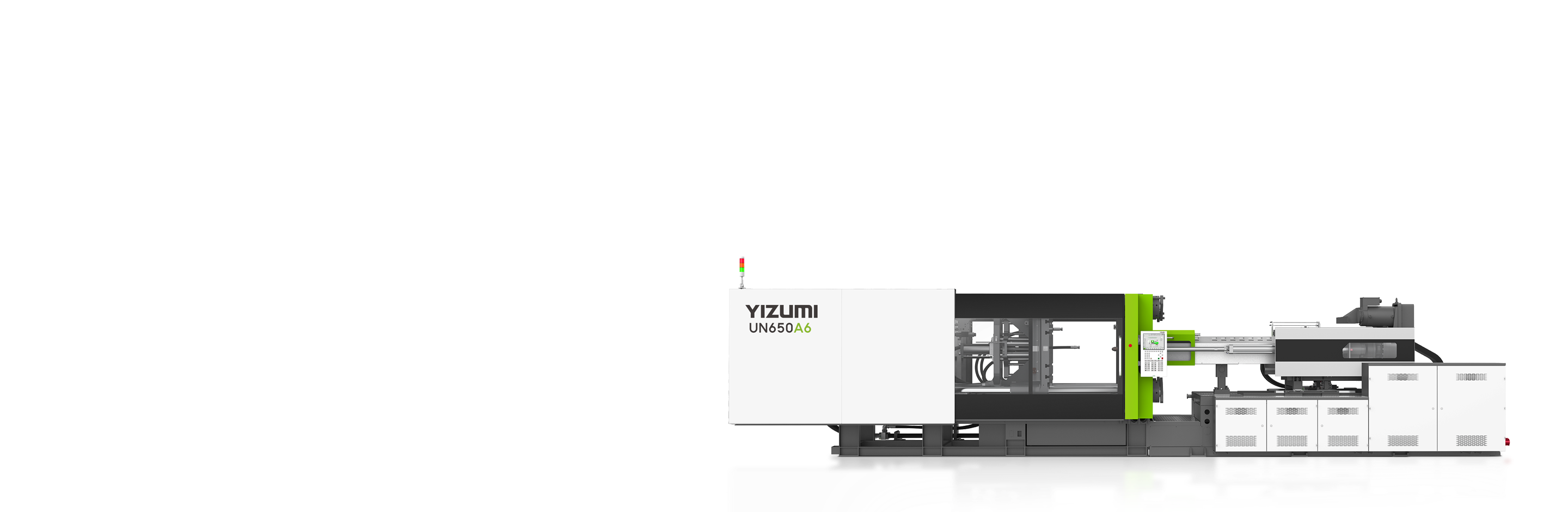
Next-Gen A6 Series Advanced And Intelligent Injection Molding Machine
Conclusion
Injection molding machine price should not be judged by the initial quotation alone. A lower-priced machine may lead to higher energy use, unstable production, more scrap, frequent downtime, and higher maintenance cost.
The right choice should be based on real production needs, including mold compatibility, injection capacity, cycle stability, energy efficiency, automation readiness, and service support. A good injection molding machine should help manufacturers produce qualified parts consistently while keeping long-term operating cost under control.
FAQ
Q1. Why are injection molding machine prices so different?
A: Injection molding machine prices vary because of clamping force, injection unit size, drive system, controller quality, servo configuration, machine structure, precision level, and after-sales support. Two machines with the same tonnage may have very different production stability, energy consumption, and service life.
Q2. Should I choose the cheapest injection molding machine?
A: Not always. A lower-priced machine may work for simple products with low precision requirements. But for high-volume production, thin-wall parts, automotive components, medical products, or multi-cavity molds, a cheaper machine may increase scrap, downtime, energy use, and maintenance cost.
Q3. How do I know what size injection molding machine I need?
A: Machine size should be based on the molded part, material, mold size, projected area, shot weight, required clamping force, tie-bar spacing, ejector stroke, and target output. Tonnage alone is not enough to determine whether the machine is suitable.