How to Mitigate Risks in Plastic Injection Molding Operations
Abstract:
Plastic injection molding risk reduction depends on controlling the entire production system rather than reacting to defects. By managing material quality, ensuring machine stability, optimizing mold design, establishing stable process windows, monitoring quality during production, performing preventive maintenance, and standardizing operator practices, manufacturers can improve part consistency, reduce scrap, limit downtime, and achieve more reliable, cost-efficient high-volume manufacturing.
Plastic injection molding is widely used for producing high-volume plastic parts with consistent shape, size, and performance. However, stable production does not happen automatically. Material variation, mold wear, machine instability, poor process settings, or operator errors can quickly lead to defects, scrap, downtime, and higher production costs.
For manufacturers, risk control should not only focus on fixing problems after they appear. A better approach is to build a stable production system that controls material quality, plastic injection molding machine performance, mold condition, process parameters, quality inspection, and operator procedures.
1. Material Preparation and Resin Quality Control
Many injection molding defects begin before the material enters the machine. Moisture, contamination, incorrect resin grades, poor drying control, or unstable regrind ratios can all affect final part quality.
Common material-related problems include:
· Bubbles or voids caused by moisture
· Silver streaks caused by poor drying
· Color variation caused by uneven masterbatch mixing
· Weak mechanical strength caused by material degradation
· Short shots caused by poor material flow
· Surface defects caused by contamination
To reduce these risks, manufacturers should confirm the resin type, grade, and batch before production. Moisture-sensitive materials should be dried according to the recommended temperature and time. Resin should also be stored in clean, dry conditions to prevent humidity absorption and contamination.
For production that uses recycled material or regrind, the ratio must be controlled carefully. Too much regrind can affect flow consistency, color stability, strength, and surface quality. For precision parts or high-performance applications, material control should be especially strict.
2. Plastic Injection Molding Machine Stability and Process Repeatability
The plastic injection molding machine is one of the most important factors in production stability. If the machine cannot maintain consistent pressure, temperature, clamping force, and shot size, part quality will vary from cycle to cycle.
Machine-related risks may come from:
· Unstable injection pressure
· Poor barrel temperature control
· Worn screw, barrel, or check ring
· Inconsistent cushion position
· Insufficient or uneven clamping force
· Hydraulic or servo system fluctuation
· Poor control system accuracy
A stable plastic injection molding machine helps maintain repeatable filling, packing, cooling, and ejection. This is especially important for precision parts, thin-wall products, automotive components, electrical housings, medical parts, and high-volume production.
When selecting a plastic injection molding machine, buyers should not only compare price and clamping force. They should also consider injection accuracy, energy efficiency, platen rigidity, controller reliability, maintenance access, spare parts availability, and long-term service support.
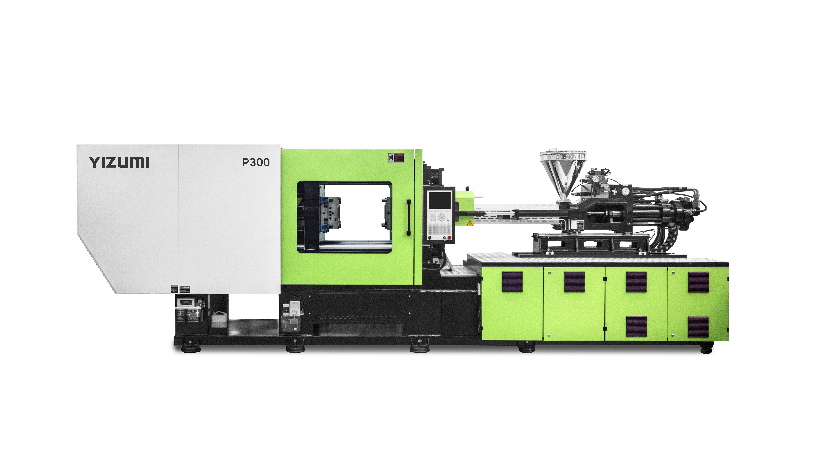
P Series High-speed Injection Molding Machine
3. Process Window Development and Parameter Control
A strong injection molding process should not depend on one perfect setting. In real production, small variations in resin viscosity, mold temperature, room temperature, or machine response are normal. The goal is to create a process window that remains stable within acceptable variation.
Key process parameters include:
· Melt temperature
· Mold temperature
· Injection speed
· Injection pressure
· Holding pressure
· Holding time
· Cooling time
· Screw recovery time
· Clamp force
· Cycle time
If the process window is too narrow, small changes can cause defects such as flash, short shots, sink marks, burn marks, or warpage. A wider and more stable process window gives production teams better control and reduces unnecessary adjustments.
Process parameters should be tested, approved, and documented before mass production. Operators should avoid changing settings without approval because random adjustments can hide the real cause of defects and make production less stable.
4. Mold Design Optimization
The mold directly affects part quality, cycle time, and production efficiency. Poor mold design or poor mold maintenance can create defects even when the material and machine are properly controlled.
Common mold-related risks include:
· Poor gate location
· Uneven cavity filling
· Insufficient venting
· Uneven cooling
· Weak ejection design
· Worn parting lines
· Damaged cavities
· Blocked cooling channels
· Hot runner imbalance
Good mold design should consider material flow, wall thickness, gate position, venting, cooling layout, shrinkage, ejection, and part structure. These factors should be reviewed before the mold is built, not after defects appear in mass production.
Cooling design is especially important. Uneven cooling can cause warpage, dimensional variation, longer cycle times, and unstable part quality. Proper cooling channels and mold temperature control help improve both quality and efficiency.
5. In-Process Quality Monitoring and Defect Prevention
Final inspection alone cannot fully control injection molding risk. By the time defects are found at the end of production, material, labor, energy, and machine time may already be wasted.
A stronger approach is to monitor quality during production. In-process quality control helps detect problems earlier and prevents large batches of defective parts.
Important inspection points include:
· First-article inspection
· Visual appearance checks
· Dimensional measurement
· Weight consistency
· Color comparison
· Process parameter verification
· Reject rate tracking
· Packaging and labeling inspection
Common defects such as flash, short shots, sink marks, burn marks, bubbles, warpage, weld lines, and dimensional drift should be recorded clearly. More importantly, teams should identify the real cause instead of only removing defective parts.
For example, flash may be caused by excessive holding pressure, insufficient clamp force, worn mold parting lines, or poor mold fit. Short shots may be caused by low melt temperature, poor venting, insufficient injection pressure, or material flow issues.
6. Preventive Maintenance for Machines, Molds, and Auxiliary Systems
Unplanned downtime is one of the most expensive risks in plastic injection molding operations. It can delay delivery, increase labor cost, damage customer trust, and disrupt production schedules.
Preventive maintenance should cover the full production system, including the plastic injection molding machine, mold, dryer, mold temperature controller, chiller, robot, conveyor, and other auxiliary equipment.
| Plastic Injection Molding Machine Maintenance | Mold Maintenance |
| Screw and barrel inspection | Cleaning cavities and cores |
| Hydraulic or servo system checks | Checking vents |
| Heater and thermocouple inspection | Inspecting ejector pins |
| Clamping unit lubrication | Cleaning cooling channels |
| Tie-bar and platen inspection | Checking parting lines |
| Safety system checks | Inspecting slides and lifters |
| Controller and sensor verification | Protecting the mold from rust |
7. Operator Training, Standardized Procedures, and Production Discipline
Even with good equipment and tooling, injection molding operations still depend on skilled people. Operators, technicians, and quality inspectors must understand how material, mold, machine, and process settings work together.
Training should cover:
· Material drying and handling
· Machine setup procedures
· Mold installation and protection
· Basic defect identification
· Safe machine operation
· Process parameter control
· Quality inspection standards
· Emergency response procedures
Standardized procedures help reduce human error. If different operators use different setup methods or adjust parameters based on habit, production becomes unstable.
Clear work instructions, process sheets, inspection standards, and shift handover records help teams maintain consistency. This is especially important for factories running multiple shifts or multiple plastic injection molding machines.
8. Common Injection Molding Risks and Corrective Actions
| Common Risk | Possible Cause | Corrective Action |
| Short shot | Low melt temperature, poor venting, insufficient pressure, blocked gate | Check material flow, venting, gate condition, and injection settings |
| Flash | Excessive pressure, low clamp force, worn parting line, poor mold fit | Review clamp force, holding pressure, and mold condition |
| Warpage | Uneven cooling, poor part design, excessive internal stress | Improve cooling balance, adjust packing, review wall thickness |
| Sink marks | Thick wall sections, insufficient holding pressure, poor gate design | Optimize holding pressure and review part design |
| Burn marks | Trapped air, poor venting, excessive injection speed | Improve mold venting and adjust injection speed |
| Bubbles or voids | Moisture, poor drying, insufficient packing | Check drying conditions and packing settings |
| Color variation | Material mixing issue, unstable masterbatch, poor barrel cleaning | Improve material handling and purging procedures |
| Dimensional drift | Mold temperature change, machine instability, process variation | Monitor mold temperature, machine repeatability, and key parameters |
YIZUMI — An Excellent Supplier of Plastic Injection Molding Machines
YIZUMI is a global industrial molding equipment supplier, providing solutions for injection molding, rubber injection, die casting, robotic automation, and smart manufacturing. Its plastic injection molding machine lineup supports a wide range of production needs, from standard molding to high-speed, electric, multi-component, PET, two-platen, and vertical molding applications.
Wide machine portfolio: Supports different applications, including packaging, automotive parts, medical products, electronics, PET products, pipe fittings, and insert molding.
Stable molding performance: Helps improve shot repeatability, part consistency, and long-term production reliability.
Energy-efficient machine options: Helps reduce operating costs, especially for high-volume production.
Application-specific solutions: Allows manufacturers to choose the right plastic injection molding machine based on part structure, cycle time, precision, and production volume.
Automation and smart manufacturing support: Helps factories improve efficiency, reduce manual operation, and build more controlled production systems.
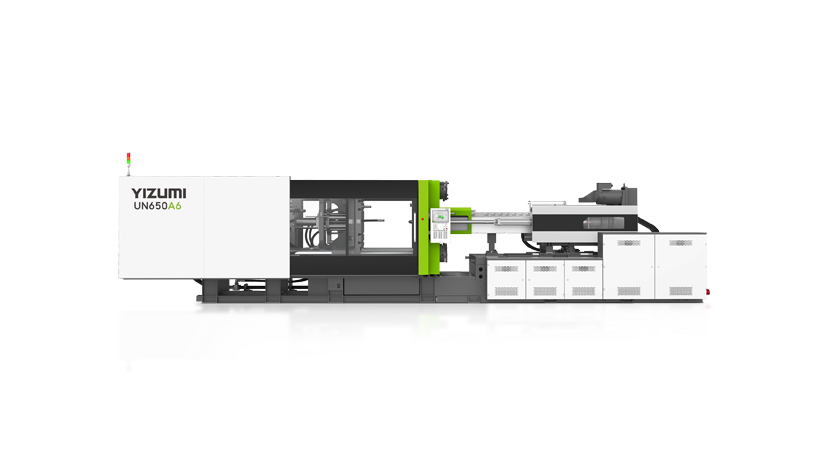
Next-Gen A6 Series Advanced And Intelligent Injection Molding Machine
Conclusion
Mitigating risks in plastic injection molding requires control over the full production system, not just defect correction after problems appear. Material preparation, mold condition, plastic injection molding machine stability, process parameters, maintenance, inspection, and operator training all affect final part quality.
A stable and reliable plastic injection molding machine helps improve shot repeatability, reduce quality variation, lower scrap, and support more predictable production. When manufacturers manage these areas together, they can reduce downtime, control costs, and deliver more consistent molded parts.
FAQ
Q1. Why do injection molded parts still have defects even when the process settings look correct?
A: Because defects are not always caused by process settings alone. The real cause may come from material moisture, mold wear, poor venting, unstable machine performance, blocked cooling channels, or operator handling. Manufacturers should check the full system instead of only adjusting temperature or pressure.
Q2. How can I reduce repeated defects in plastic injection molding production?
A: Repeated defects should be tracked by defect type, machine number, mold number, material batch, process settings, and production shift. If the same issue appears again and again, historical records can help identify whether the root cause is related to the material, mold, plastic injection molding machine, process parameters, or operation method.
Q3. What are the most common risks caused by an unstable plastic injection molding machine?
A: An unstable plastic injection molding machine can cause shot size variation, inconsistent cushion position, pressure fluctuation, poor filling, flash, short shots, dimensional drift, and unstable cycle time. These problems directly affect part consistency and production efficiency.
Q4. How often should injection molding machines and molds be maintained?
A: Maintenance frequency depends on production volume, material type, mold complexity, and operating conditions. High-volume production, abrasive materials, glass-filled materials, and precision molds usually require more frequent inspection. At minimum, manufacturers should build a preventive maintenance schedule for the machine, mold, and auxiliary equipment instead of waiting for failure.