Ultimate Injection Molding Machine RFQ: A Practical Buyer's Guide
Abstract:
Get a clearer injection molding machine quote by preparing the right RFQ details upfront. Learn what buyers should share about parts, resin, molds, cycle targets, automation, service, and acceptance tests, so suppliers can recommend the right machine and quotes can be compared fairly.
When buyers ask for an injection molding machine quote, the first message is often too simple. “Please quote a 300-ton injection molding machine.”That may sound clear, but it usually is not enough.
A supplier can quote a machine based on tonnage, but tonnage alone does not tell the full story. It does not show the part size, mold weight, shot size, resin, cycle time, automation plan, factory layout, or acceptance standard.
A strong RFQ avoids this problem. It helps every supplier understand the same project. It also helps the buyer compare the same scope, not just the lowest price.
What Makes an Injection Molding Machine RFQ Different?
Most RFQ templates for injection molding focus on parts, molds, and production service. That is useful, but buying an injection molding machine is different. A machine RFQ must answer one bigger question:
Can this machine run my mold, material, part, cycle time, automation, and quality requirements reliably over time?
For that reason, a machine RFQ should cover more than CAD files and annual volume. It should also cover machine type, clamping force, injection unit, mold fit, factory utilities, automation, safety, service, and acceptance testing.
This is especially important as injection molding production becomes more application-specific. The global injection molding machine market was valued at about USD 17.3 billion in 2025 and is projected to reach USD 25.5 billion by 2033, growing at a CAGR of 5.0%. Asia Pacific held 39.7% of the global market in 2025.
For buyers, this market growth means more choices, but also more decisions.
A general-purpose machine, a high-speed packaging machine, an electric machine, a two-platen machine, and a multi-component machine may all be correct in different situations.
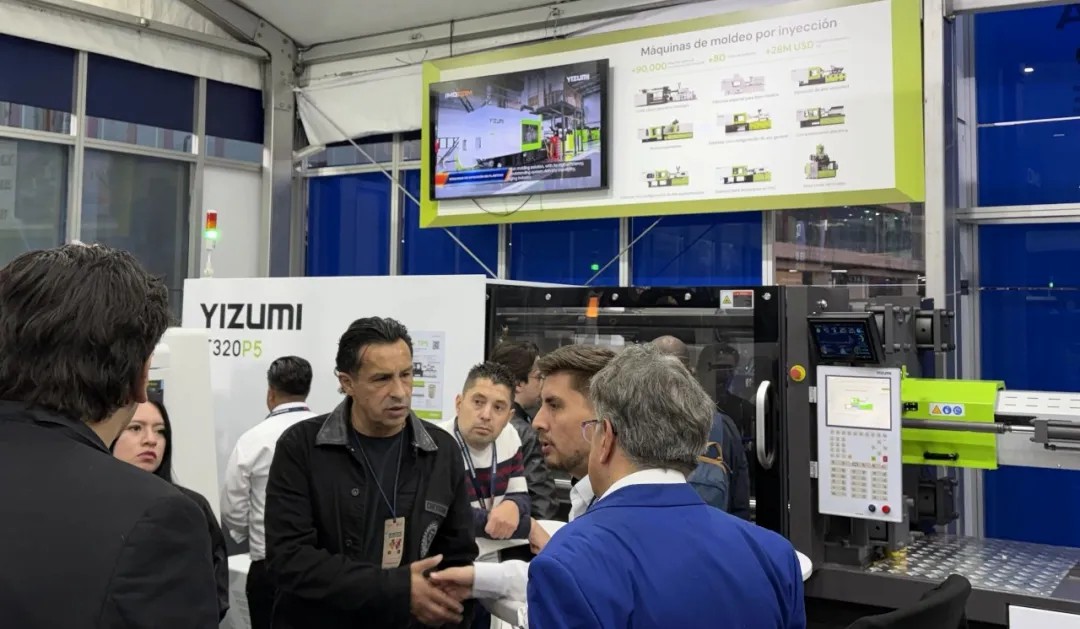
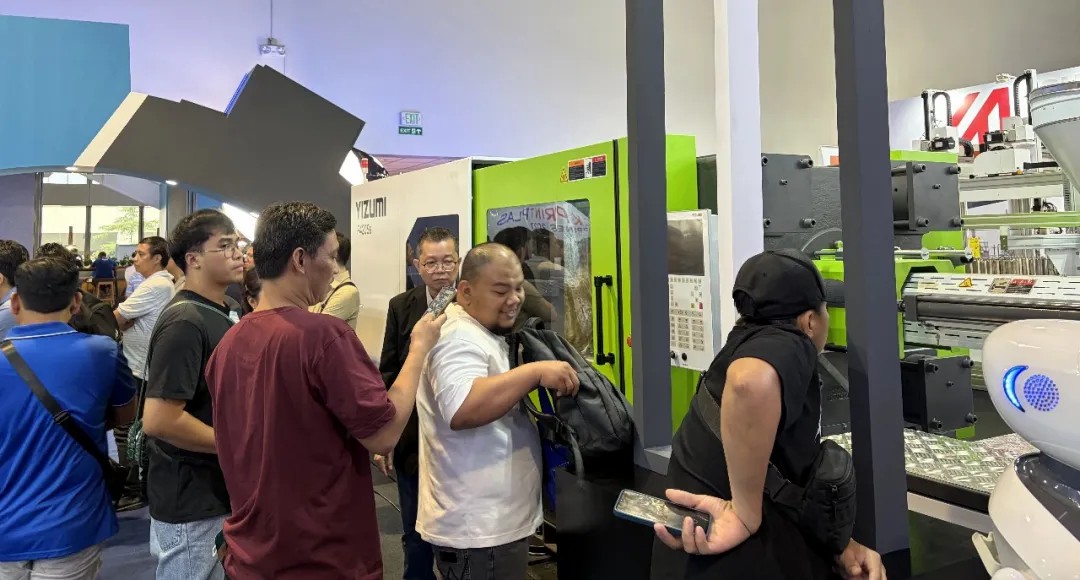
YIZUMI’s injection molding solutions include toggle-clamping hydraulic machines, multi-component machines, high-speed machines, two-platen machines, electric machines, special-usage machines, and vertical machines. The IMS product range also serves applications such as medical, auto parts, 3C electronics, and high-speed packaging.
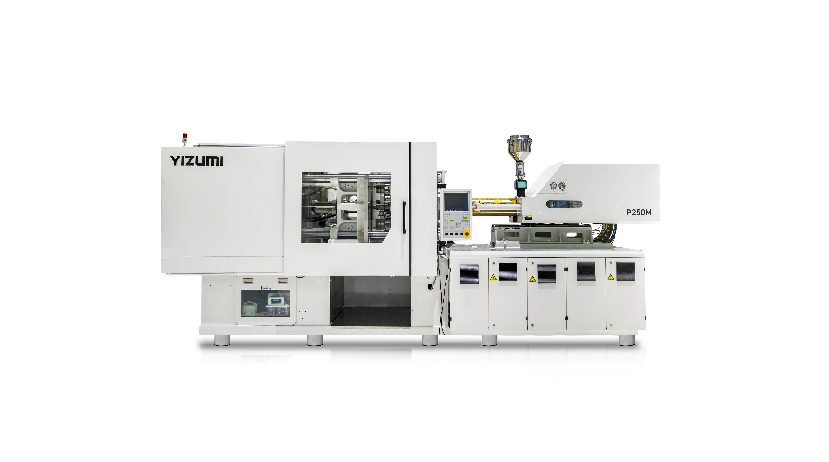
P-M Series High-speed Injection Molding Machine
Start with the Real Production Goal
Before listing machine specifications, describe the project in practical terms.
A supplier needs to know whether this is:
· a new production line;
· a capacity expansion;
· a replacement for an older machine;
· a mold transfer project;
· a high-speed output project;
· a precision molding project;
· a multi-material or multi-color molding project;
· an automation upgrade.
For example, replacing an old machine may require matching an existing mold and plant layout. A new medical project may focus more on precision, process repeatability, cleanliness, and data traceability. A packaging project may focus more on dry cycle time, energy use, automation, and stable output.
Provide Part Data, Not Just Product Photos
Photos help suppliers understand the product, but they cannot replace technical data. A serious RFQ should include 3D CAD files, preferably in neutral formats such as STEP or IGES, plus a 2D drawing with tolerances and critical dimensions. Search results for injection molding RFQ content consistently emphasize that drawings, tolerances, CTQ dimensions, material data, and annual usage help suppliers prepare more accurate and comparable quotes.
For a machine RFQ, this information is still important because the part affects:
· shot size;
· injection pressure;
· clamping force;
· cooling time;
· cycle time;
· mold opening;
· ejector requirement;
· robot take-out;
· quality inspection;
· automation design.
The buyer should provide part size, part weight, wall thickness, surface requirements, cosmetic zones, assembly requirements, and any critical-to-quality dimensions.
If the part design is not final, mention that clearly. A supplier can still make a preliminary recommendation, but final machine selection should be confirmed after the part, mold, and resin are stable.
Define the Material Early
A buyer should provide the exact resin family and grade whenever possible. For example, PP, ABS, PC, PA, POM, PET, LSR, glass-filled nylon, flame-retardant materials, or recycled-content materials may create very different processing needs.
The RFQ should also mention:
· color;
· filler content;
· regrind percentage;
· drying requirement;
· shrinkage concern;
· food-contact, medical, automotive, or electrical compliance;
· abrasive or corrosive material conditions;
· possible alternative materials.
Material information helps the supplier evaluate screw and barrel design, plasticizing capacity, injection pressure, temperature control, residence time, and wear resistance.
If the material is still under selection, ask the supplier to provide assumptions in the quotation. This makes the quote easier to review later.
Make Mold Data a Required Part of the RFQ
A machine may have enough clamping force but still be wrong for the mold.
This is one of the most common purchasing risks.
Your RFQ should include:
· whether the mold is new or existing;
· mold size;
· mold weight;
· mold thickness;
· required tie-bar spacing;
· platen size requirement;
· opening stroke;
· daylight requirement;
· ejector stroke and force;
· core-pulling requirements;
· hot runner needs;
· cooling circuit layout;
· robot take-out direction;
· mold change frequency.
Ask the supplier to confirm mold fit in writing. This confirmation should cover the platen, tie-bar spacing, mold thickness, opening stroke, daylight, ejector system, and robot space.
For large parts, deep-cavity parts, automotive components, pallets, bins, and appliance parts, mold fit can matter as much as tonnage.
Define Acceptance Before Ordering
Do not wait until delivery to discuss acceptance. Your RFQ should define whether you need:
· FAT;
· SAT;
· mold installation testing;
· dry cycle testing;
· trial production;
· safety inspection;
· operator training;
· maintenance training;
· energy measurement;
· machine documentation.
Acceptance criteria should include the trial mold, resin, cycle time, product sampling method, dimensional inspection, process stability, and required documents.
This protects both sides. The buyer avoids vague promises. The supplier knows what must be proven.
For medical, automotive, and precision molding projects, the RFQ may also need FAI reports, material certificates, dimensional reports, process data, or PPAP-related support.
Conclusion
A well-prepared injection molding machine RFQ turns a price request into a smarter buying decision. By defining the part, resin, mold data, cycle target, machine type, automation needs, utilities, service scope, and acceptance tests upfront, buyers can compare quotes on the same basis, reduce hidden costs, and choose a YIZUMI solution that fits real production demands, not just tonnage, price, or standard specifications listed in a catalog. It also helps teams align faster before purchase today.
FAQ
Q1. What should an injection molding machine RFQ include?
It should include part data, material, mold information, production volume, target cycle time, machine type, clamping force, shot size, automation needs, factory conditions, service scope, and acceptance requirements.
Q2. Why is mold data important in a machine RFQ?
Mold data helps confirm whether the machine can physically and functionally run the mold. Buyers should include mold size, weight, thickness, tie-bar spacing, opening stroke, ejector needs, and robot take-out direction.
Q3. Should buyers choose electric, hydraulic, high-speed, or two-platen machines?
The right choice depends on the part, material, mold size, precision requirement, cycle time, energy target, and production volume. Different applications require different machine platforms.
Q4. How can buyers compare injection molding machine quotes fairly?
Buyers should compare the same scope. Review machine configuration, mold fit, injection unit, automation readiness, included options, excluded items, delivery, installation, training, warranty, spare parts, service, and total cost.
Q5. What is the biggest RFQ mistake?
The biggest mistake is asking for price before defining the production requirement. The machine should be selected around the part, mold, material, process, automation, and long-term output target.