What Does a Servo Motor Do in an Injection Moulding Machine?
Abstract:
Servo motors use closed-loop feedback to control speed, pressure and position in injection moulding machines. Compare servo hydraulic, hybrid, and all-electric systems, plus YIZUMI P-E Servo Direct Control across injection, plasticising and clamping.
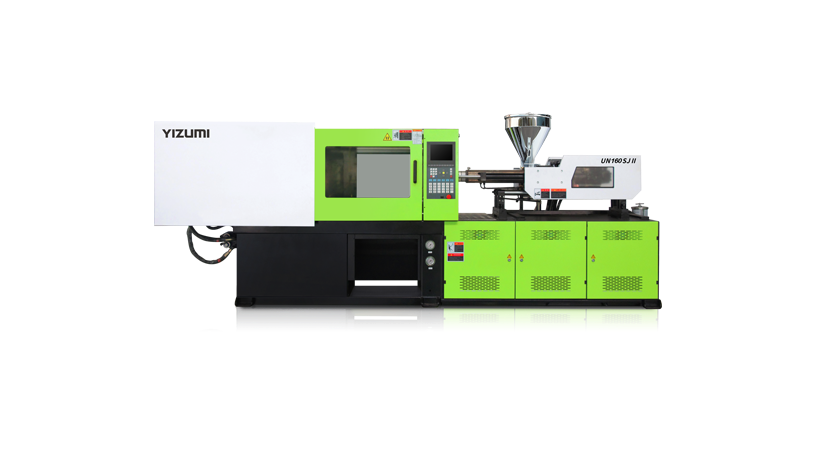
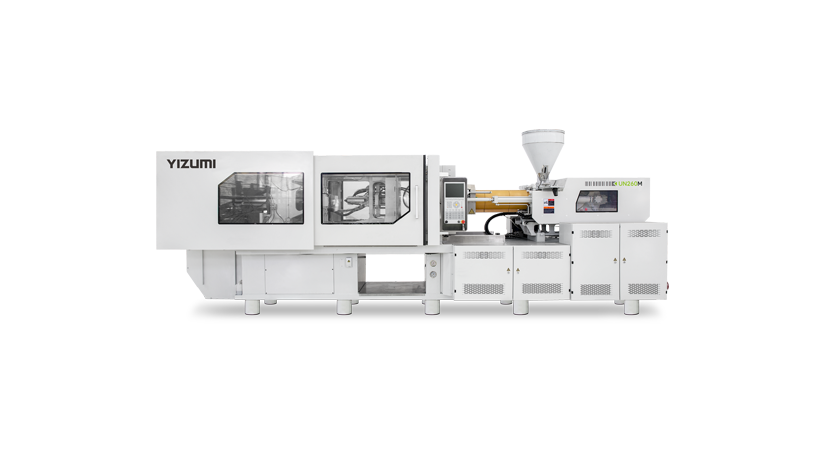
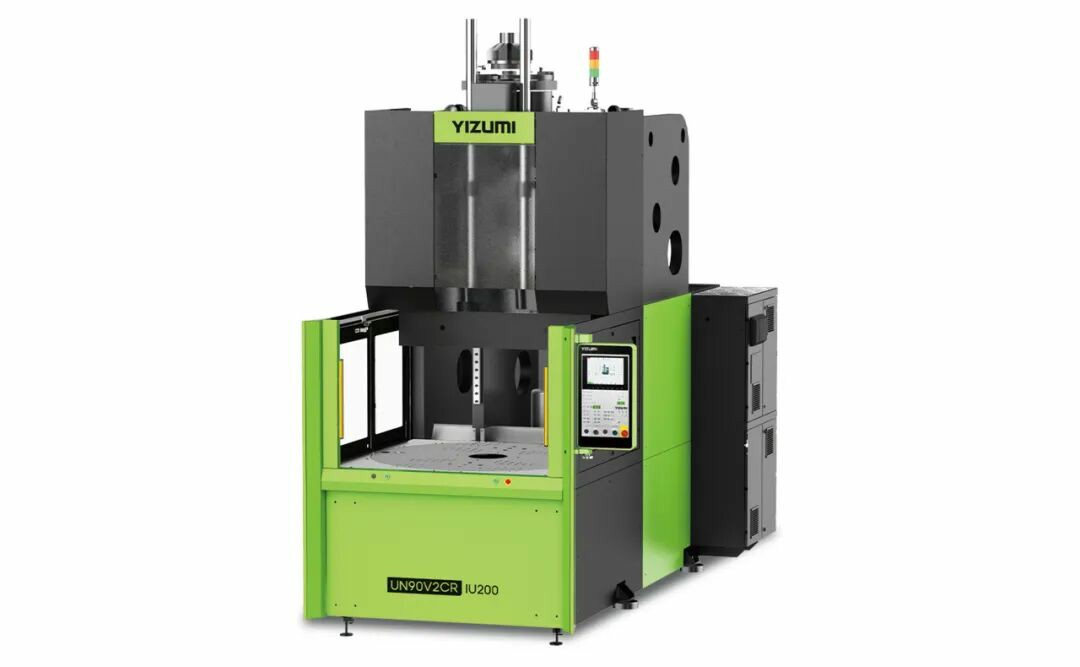
A servo motor in an injection molding machine controls speed, torque, position and power delivery through closed-loop feedback. In a servo hydraulic machine, it drives the hydraulic pump according to demand. In an all-electric machine, dedicated servo motors can directly drive injection, plasticising, clamping and ejection movements.
This controlled response helps the machine deliver the required flow, pressure or movement at each stage of the cycle. The motor can accelerate, slow down, maintain torque and stop at a commanded position while encoders and sensors report the actual result to the controller.
For manufacturers, the practical questions are whether this control can improve part consistency, reduce energy consumption and support the required cycle time. The answer depends on the machine architecture, the number of independently controlled axes, the mould, the material and the production conditions.
A servo motor should therefore be evaluated as part of the complete machine system. The controller, servo drive, sensors, hydraulic pump or mechanical transmission, machine rigidity and control software all affect the final performance.
The Main Functions of a Servo Motor
In an injection moulding machine, a servo motor can perform five main functions:
1. Control movement speed during injection, plasticising, mould movement and ejection.
2. Produce the torque required to generate hydraulic pressure or drive a mechanical axis.
3. Control the position of the screw, mould and ejector through encoder feedback.
4. Adjust power output according to the current machine load.
5. Support repeatable machine movements from one production cycle to the next.
The exact function depends on whether the machine is servo hydraulic, hybrid or all-electric. A buyer should identify this architecture before comparing energy consumption, accuracy or cycle performance.
How the Servo Control Loop Works
The machine controller first calculates the required speed, position or pressure from the moulding settings. It sends the command to the servo drive, which regulates the electrical current supplied to the motor. The motor then drives either a hydraulic pump or a mechanical transmission.
Encoders, pressure sensors and position sensors return operating values. When the measured result differs from the target, the controller adjusts the motor output. This process is known as closed loop control.
In a servo hydraulic machine, motor speed mainly affects pump flow and machine movement speed. Motor torque supports the hydraulic pressure needed to overcome resistance and complete the commanded action. During cooling or a low demand stage, the motor can reduce its output instead of continuing to produce unnecessary flow.
In an electric injection moulding machine, separate servo motors may directly control injection, plasticising, clamping and ejection. Independent axes can also support simultaneous movements when the machine configuration and application allow them.
What Does the Servo Motor Control During a Moulding Cycle?
The answer changes with the machine design, but the following actions are commonly affected.
Mould Closing and Clamping
The controller manages mould closing speed, deceleration and final position. Low speed and force during mould protection can help detect resistance before full clamping force is applied.
Injection and Filling
During injection, the drive responds to commanded screw speed and pressure. Position feedback tells the controller where the screw is and when to change from velocity control to holding pressure. Pump design, valve response, machine rigidity, sensors and software also affect the result.
Holding Pressure
The machine maintains pressure while the material compensates for shrinkage. A servo hydraulic system can reduce pump speed while supplying the torque needed to hold pressure. Pressure variation can affect part weight and dimensions.
Plasticising
Servo control can regulate screw speed and support consistent recovery. Machines with independent axes may plasticise while cooling, opening the mould or removing a part when the application supports simultaneous movements.
Opening and Ejection
Controlled position and speed help the machine open smoothly. Repeatable ejection supports robot timing and automated part removal.
Servo Hydraulic, Hybrid and All Electric Machines Are Not the Same
The phrase servo injection moulding machine does not describe one universal architecture. A servo hydraulic machine uses a servo motor to drive a hydraulic pump according to demand. It retains hydraulic cylinders, valves, oil and related maintenance, but reduces the need for a continuously running fixed speed pump.
A hybrid machine combines hydraulic power with one or more directly driven electric axes. Buyers should check the actual configuration because the word hybrid does not identify which axes are electric.
An all-electric machine normally assigns separate motors to injection, plasticising, clamping and ejection. Independent axes can support simultaneous movement and direct position control. Purchase cost, maintenance skills and application fit still need assessment.
Where Does Servo Control Make the Biggest Difference?
The value of servo control depends on the product, mould, machine architecture and cycle profile. It tends to be more relevant when production requires accurate movement, fast response or frequent changes in motor load.
Precision and Weight Sensitive Parts
Medical components, optical parts, electronic housings and precision automotive components often require stable filling and holding pressure. Servo control helps the machine regulate screw speed, transfer position and pressure response. This can support more consistent part weight and dimensions when the mould, material and process settings are also stable.
Thin Wall and High Speed Production
Thin wall packaging requires the injection unit to reach the required speed within a short period. A responsive servo system can improve acceleration and transition control during injection. Independent control of injection, plasticising and clamping may also allow selected machine movements to overlap, depending on the equipment configuration.
Cycles with Changing Power Demand
An injection moulding cycle does not require the same power at every stage. Injection and clamping may require high output, while cooling can involve limited machine movement. A servo hydraulic system can reduce motor speed when hydraulic demand falls and increase output when the next movement begins. The possible energy reduction depends on the cycle profile and the machine being replaced.
Automated Production Lines
Robots and downstream equipment rely on repeatable mould opening and ejection positions. Controlled acceleration, deceleration and stopping can help maintain consistent handover timing between the injection moulding machine and automation equipment.
Production with Frequent Mould Changes
Factories producing several product types need a machine that can reproduce stored movement and pressure settings after a mould change. Servo control can support repeatable machine response, while the controller records process settings and production curves. Mould condition, material preparation and operator setup should still be checked before full production resumes.
Servo control is most useful when its functions match a clearly defined production requirement. Buyers should therefore begin with the part, mould, material and cycle target, then confirm which machine movements require independent control.
YIZUMI P-E Series: Servo Direct Control
The YIZUMI P-E Series high-speed injection moulding machine uses Servo Direct Control (SDC) technology to independently control injection, plasticising and clamping.
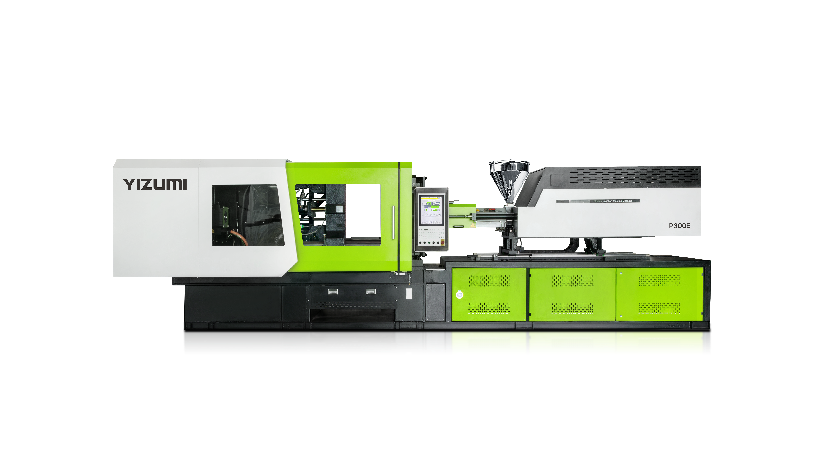
P-E Series high-speed injection moulding machine
How Servo Motors Work in the P-E Series
· Injection: Controls injection speed, position and pressure.
· Plasticising: Regulates screw recovery for stable material preparation.
· Clamping: Supports responsive mould movement and clamping control.
YIZUMI's SDC technology uses an independently developed servo-drive algorithm. By controlling these core movements separately, the machine delivers faster feedback, more responsive control and improved accuracy.
Control Features That Support Precision Moulding
The P-E Series combines servo control with:
· Closed-loop injection-pressure control for stable injection and holding pressure; YIZUMI specifies stability of ±0.02 MPa.
· KEBA2000 controller with a 1 ms scan cycle, process-quality control and process-data curve recording.
· SMART mould protection to detect small obstacles or resistance during mould closing.
For high-speed packaging, medical products, automotive parts and 3C electronics, servo direct control helps processors manage the speed, position and pressure of critical moulding movements more precisely. This supports stable filling, repeatable moulding conditions and consistent production control.
Common Misunderstandings
Not every servo machine is all-electric. Many use the motor to control hydraulic pump output. Energy savings also depend on the previous machine, cycle profile and measurement boundary.
Motor size alone does not make a machine faster. Torque, inertia, pump displacement, drive tuning and mechanical limits must work together. Servo hydraulic equipment still needs oil, filter, pump, valve and seal maintenance.
What to Ask an Injection Moulding Machine Manufacturer
A capable injection moulding machine manufacturer should connect the drive system to the customer’s product, mould and output target. The supplier should request part weight, projected area, resin, cavities, runner weight, mould dimensions, injection speed, cycle target and annual volume.
Ask which functions use servo control and whether each axis is hydraulic or directly driven. Request a test with your mould where possible. The report should include energy boundaries, stable cycle data, accepted part quantity and test settings.
Service affects total ownership cost. Check commissioning, training, preventive maintenance, remote diagnosis and the availability of motors, drives, pumps and sensors.
FAQ
Q1. Does a Servo Motor Directly Control Injection Pressure?
A: In a servo hydraulic machine, the motor controls pump speed and torque, while the hydraulic system and feedback loop regulate flow and pressure. In an electric machine, a dedicated motor can directly drive the injection mechanism, with sensors and software controlling speed, position and force.
Q2. Does Servo Control Reduce Cycle Time?
A: It can improve acceleration, braking and movement response. Independent axes may also allow actions such as plasticising and cooling to overlap. The actual reduction depends on which stage controls the cycle. If cooling dominates, faster machine movement may produce only a limited improvement.
Q3. What Data Should Be Checked Before Purchase?
A: Check pressure and position repeatability, energy per accepted part, cycle time, part weight variation, peak power, continuous load, available servo axes and maintenance support. Compare data under the same moulding conditions.
Conclusion
The servo motor is best understood as part of a complete control system. Its value comes from matching electrical power to machine demand, receiving accurate feedback and controlling the movements that matter to the application. Buyers should identify the machine architecture first, then verify energy, pressure, position, cycle and part quality with their own production conditions.
YIZUMI can review part, mould, resin and output data to help determine whether a servo hydraulic, high speed or electric injection moulding machine is the appropriate fit for a production project.