Vertical vs. Horizontal Injection Molding Machines for Insert Molding
Abstract:
Vertical and horizontal injection molding machines solve common insert molding challenges. Compare insert positioning, mold access, automation, output, and total cost to select the right production cell for your part, sourcing plan, and output goals.
Choosing a vertical injection molding machine or a horizontal injection molding machine affects more than the space around the press. For insert molding, the decision changes how inserts are loaded, held in position, inspected, molded, removed, and transferred to the next process.
A vertical layout is often considered first when a part contains terminals, threaded bushings, cables, metal stampings, sensors, or other components that must remain accurately positioned. A horizontal layout may be a better production choice when output depends on automatic ejection, large molds, high cavity tools, and continuous downstream handling. Neither layout should be selected by tonnage alone.
Quick Answer: Which Machine Should You Choose?
For insert molding, choose a vertical machine when reliable insert access and placement are the main challenges. Choose a horizontal machine when inserts can be automatically fed and retained, and the project depends on continuous high output. For large shot or side gate projects, ask about hybrid layouts.
Key Differences for Insert Molding
| Decision point | Vertical machine | Horizontal machine |
| Insert loading | Open upper mold area supports manual or robotic loading | Requires planned fixtures, retention, or robotic placement |
| Insert position | Gravity supports initial placement in the lower mold half | Mold and automation must hold the insert during closing and filling |
| Part removal | Robot or controlled manual removal is often used | Automatic ejection, take out robots, and conveyors are easier to arrange |
| Automation focus | Rotary tables, sliding tables, insert loading, and inspection | Take out, conveying, packing, and high volume downstream handling |
| Typical fit | Connectors, cables, sensors, threaded inserts | Housings, packaging, covers, and stable automated insert parts |
The table provides a starting point, but product geometry still matters. A small connector with eight terminals has different risks from a large housing with one metal insert.
When a Vertical Machine Makes Sense
A vertical injection molding machine is useful when insert loading is a critical part of the cycle. The upward opening mold gives operators and robots direct access to the cavity. Inserts can rest in the lower mold half before clamping, making it easier to see whether every component is present and correctly oriented.
This layout is often suitable for terminals, cable overmolding, threaded inserts, sensors, medical components, and metal reinforced parts.
Gravity helps initial placement, but it does not eliminate the need for positive location. The mold may still need pins, pockets, support surfaces, vacuum, magnets, clamps, or dedicated robot tooling. High flow speed, uneven filling, unsupported insert geometry, and poor gate design can move an insert even when it begins in the correct position.
A rotary or sliding table can improve workflow. While one station molds and cools, another station can be loaded or unloaded. This may reduce waiting time and make manual or semi automatic production more consistent. The practical benefit depends on insert loading time, cooling time, mold design, and safe table operation.
When a Horizontal Machine Is the Better Production Choice
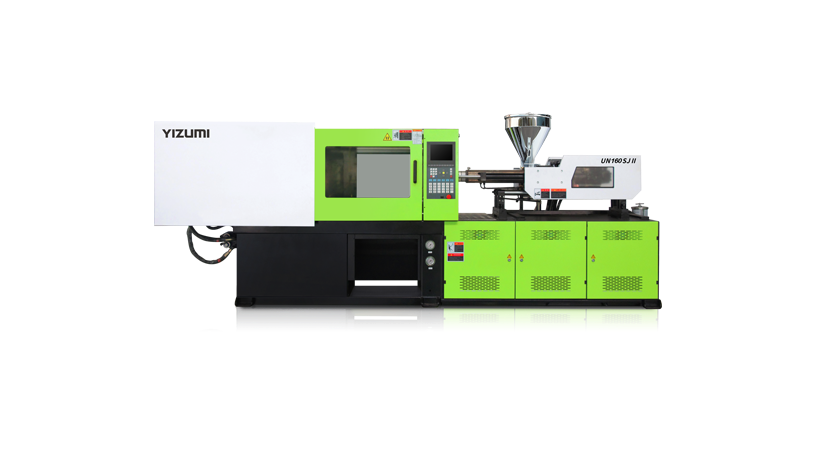
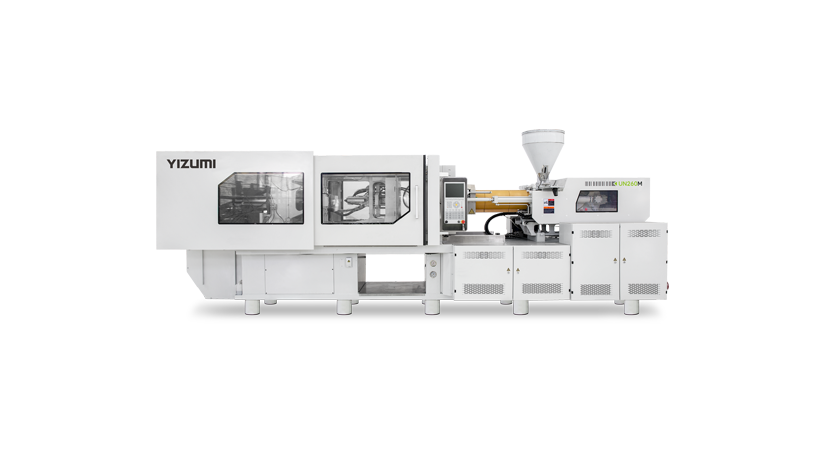
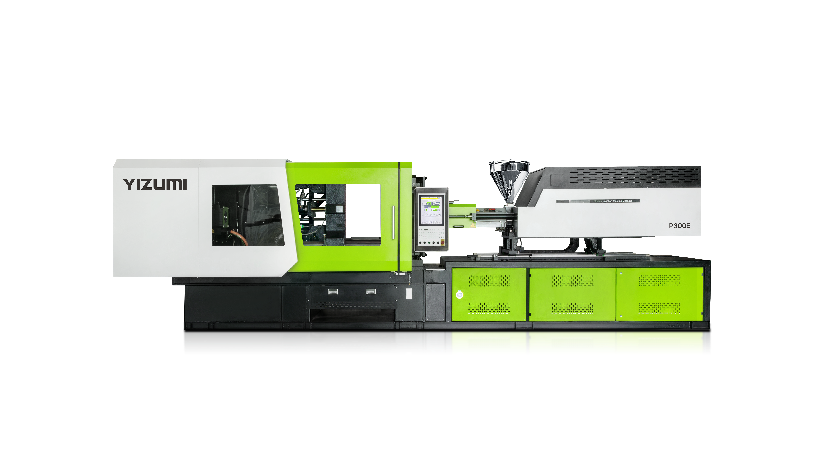
A horizontal injection molding machine is often suitable for standard molded parts that need automatic ejection and a continuous production flow. After ejection, parts can be transferred to a robot, conveyor, inspection station, assembly cell, or packing line with limited manual handling.
For insert molding, horizontal machines work best when insert feeding is stable and engineered as part of the whole cell. A robot may collect an insert from a feeder, place it into a dedicated location feature, and use a camera or sensor to confirm orientation before molding. The mold must also hold the insert against movement during closing and resin filling.
This approach can support high output programs, large molds, high cavity production, and insert parts that have repeatable geometry. However, the comparison should include the full cost of feeders, end of arm tooling, fixtures, cameras, guarding, maintenance, and alarm recovery.
Confirm These Six Points Before Requesting a Quote
1. Insert details: Record the insert material, dimensions, weight, quantity per part, critical surfaces, orientation, and positional tolerance.
2. Retention method: Define how the insert will remain in place. Use gravity only where the geometry and process allow it. Specify pins, pockets, vacuum, magnets, fixtures, or robot tooling where required.
3. Mold fit: Provide mold size, weight, thickness, tie bar spacing, platen requirements, opening stroke, daylight, ejector needs, core pulls, cooling circuits, and hot runner details.
4. Shot and resin requirements: Calculate total shot from part weight, runner weight, cavity count, and material density. Engineering resins, glass fiber, flame retardants, and temperature sensitive materials may affect screw and barrel selection.
5. Output target: Confirm annual volume, shifts, cavity count, target cycle time, acceptable scrap rate, and changeover frequency.
6. Automation and factory layout: Decide whether loading is manual, semi automatic, or robotic. Include robot travel, guarding, utility connections, maintenance access, and future expansion space.
Compare Cost Per Good Part, Not Only Machine Price
Machine price is one part of the investment. A more useful comparison is total cost per qualified part over the program life.
For a vertical insert molding cell, costs may include operators, loading consistency, table configuration, visual checks, and ergonomic measures. For a horizontal automated cell, costs may include robot integration, feeder reliability, fixtures, conveyors, inspection, guarding, and maintenance.
Use this simple calculation: Cost per good part = equipment + tooling + labor + energy + automation + maintenance + scrap, divided by qualified output.
Also consider the cost of missing inserts, reversed inserts, damaged terminals, flash around inserts, failed vision checks, and unplanned downtime. These risks can affect profitability more than a difference in initial machine price.
YIZUMI Vertical Insert Molding Solutions
YIZUMI supports insert molding projects by reviewing the machine, mold, insert loading method, and automation plan together. The best configuration depends on insert stability, mold requirements, output targets, and factory workflow.
The YIZUMI VM Series Vertical Plastic Injection Molding Machine is designed for applications involving terminals, bushings, cables, sensors, and other inserts that require controlled placement.
Key capabilities include:
· Clamping force range from 600 kN to 3,000 kN
· Vertical mold access for manual or automated insert loading
· Direct clamping structure for stable mold operation
· Optimized plasticizing screw for improved processing efficiency
· Proportional back pressure control for more stable injection
· KEBA control interfaces for sensors and automation integration
· Energy saving servo technology for applicable production conditions
Vertical solutions are useful when insert access, positioning, and flexible loading have a direct effect on part quality. For large molds, continuous automatic ejection, or high cavity output, a horizontal machine with suitable insert automation may be the more appropriate production choice.
Build Automation and Safety Into the Mold Plan
Automation should be planned while the mold is being designed, not after it is released. Insert presentation, robot access, gripping surfaces, orientation checks, reject handling, and safety guarding need to work as one process.
ISO 20430:2020 defines safety requirements for injection molding machines. When rotary tables, robots, or external safety devices are part of the cell, the project team should review loading access, mold closing, table movement, restart conditions, maintenance space, and operator training.
How to Evaluate an Injection Molding Machine Manufacturer
A useful supplier discussion should go beyond machine tonnage and quoted price. Ask whether the manufacturer can review the part, mold, resin, insert handling method, automation scope, utilities, factory layout, commissioning plan, training, service coverage, and acceptance criteria.
A strong quotation should identify what is included and what remains the customer's responsibility. For insert molding, this is especially important for molds, grippers, feeders, robots, vision systems, safety devices, and validation samples. Clear responsibility reduces changes late in the project.
FAQ
Q1. Is a vertical machine always required for insert molding?
A: No. Vertical machines can simplify insert access, but horizontal machines can be suitable when inserts are automatically placed, positively retained, and verified before molding.
Q2. Can a horizontal machine mold metal inserts?
A: Yes. The cell needs a defined retention method, such as mechanical locating features, vacuum, magnetic support, fixtures, or robot placement. The method should be tested with the actual mold and resin flow.
Q3. Do rotary tables reduce cycle time?
A: They can reduce idle time by allowing loading and molding to overlap. The final result depends on operator or robot loading time, mold cooling, table motion, and the number of stations.
Q4. Is locking force enough to choose a machine?
A: No. Locking force must be considered with platen size, tie bar spacing, mold thickness, opening stroke, daylight, shot size, resin, part removal, and automation space.
Q5. What information should be included in a machine RFQ?
A: Include part drawings, insert details, resin, mold information, output target, cycle time, automation requirements, factory utilities, and acceptance standards. Use YIZUMI's RFQ guide to prepare the project data.
Conclusion
Choose a vertical machine when insert access, location control, and flexible loading are central to the part. Choose a horizontal machine when automatic ejection, high output, large mold requirements, and downstream handling define the business case.
Before making a purchase decision, review the part drawing, insert design, resin, mold concept, annual volume, cycle target, automation plan, and acceptance requirements together. This creates a clearer basis for selecting a vertical machine, a horizontal automated cell, or a customized configuration.