What is LSR Injection Molding? A Complete Beginner's Guide
Abstract:
LSR injection molding is a powerful, versatile manufacturing process that enables the production of high-precision, durable, and flexible components. With applications across medical, automotive, electronics, and industrial sectors, it is increasingly becoming the go-to solution for manufacturers requiring complex rubber parts. Understanding the process, benefits, and considerations of LSR injection molding allows businesses to make informed decisions, optimize production, and deliver high-quality products.
Liquid Silicone Rubber (LSR) injection molding has emerged as a highly versatile manufacturing method for producing high-precision, durable, and flexible components. Its applications span medical devices, automotive parts, consumer electronics, and industrial products, making it an essential process for modern manufacturing. This guide explores everything a beginner needs to know about LSR injection molding, from materials and processes to benefits and applications.
What is LSR Injection Molding?
LSR injection molding is a process used to manufacture parts using liquid silicone rubber, a unique material known for its flexibility, heat resistance, and durability. Unlike thermoplastic injection molding, LSR involves injecting a liquid, two-component silicone into a heated mold where it cures into a solid form. This process allows manufacturers to produce highly detailed, complex, and consistent parts efficiently.
The process can handle intricate geometries and tight tolerances, which makes it ideal for components that require both precision and resilience. LSR is particularly valued in industries that demand biocompatibility, chemical resistance, or high-temperature performance.
Key Properties of LSR
Understanding LSR’s properties is crucial for selecting the right material and process. The primary characteristics include:
Flexibility: LSR maintains its elasticity across a wide range of temperatures.
Heat Resistance: LSR can withstand temperatures from -60°C to over 200°C without losing performance.
Chemical Resistance: It is resistant to oils, solvents, and many chemicals, making it suitable for harsh environments.
Durability: LSR components resist tearing, wear, and environmental degradation.
Biocompatibility: Safe for medical and food-grade applications.
These properties give LSR a competitive advantage over traditional rubbers and thermoplastics in precision applications.
Modern Injection Molding Solutions for Lunch Boxes
The LSR Injection Molding Process
The LSR injection molding process follows a series of precise steps that ensure high-quality results:
Material Preparation
LSR comes in two parts, commonly referred to as Part A (base) and Part B (curing agent). These components are mixed precisely before injection.
Injection into Mold
The liquid silicone is injected into a pre-heated mold under high pressure. Modern LSR machines use plunger or piston injection systems to achieve consistent dosing.
Curing
The mold’s heat initiates a chemical reaction that cross-links the silicone molecules, transforming the liquid into a solid rubber form.
Demolding
After curing, the mold opens, and the finished part is ejected. The process allows for automation, enabling high-volume production without compromising quality.
Post-Processing (if needed)
Depending on design and application, parts may undergo additional processes such as trimming, surface treatment, or overmolding with other materials.
Advantages of LSR Injection Molding
LSR injection molding offers numerous benefits over other manufacturing techniques, including:
High Precision: Complex designs with tight tolerances are achievable.
Fast Production Cycles: Automated injection molding allows high-volume production efficiently.
Low Waste: Precise dosing minimizes material waste.
Long-Term Stability: LSR maintains its properties over time, even under harsh conditions.
Versatility: Ideal for medical, automotive, electronics, and consumer goods applications.
These advantages make LSR injection molding an attractive solution for manufacturers looking for reliable, high-quality rubber components.
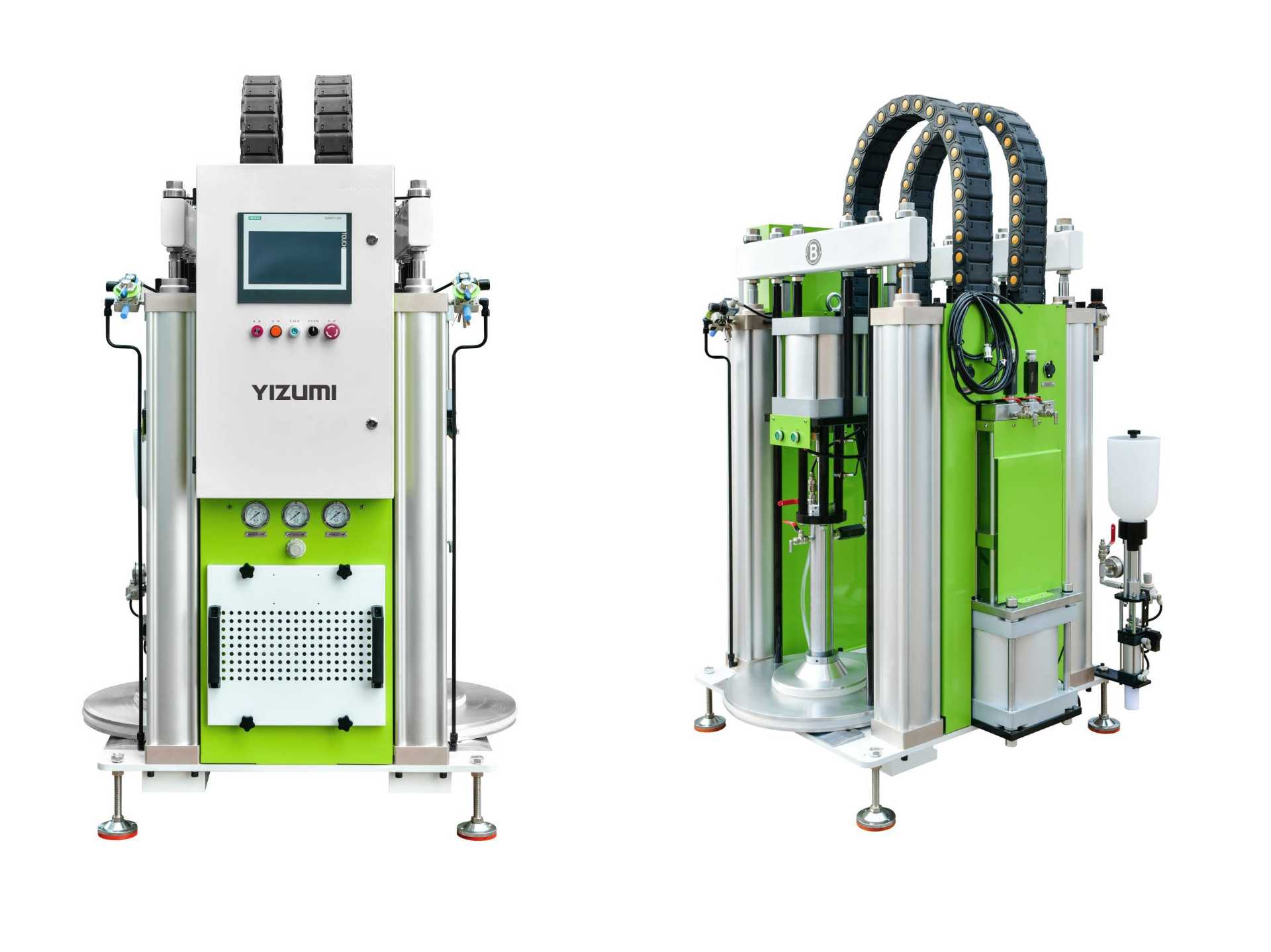
LSR Injection Molding Auxiliary Equipment
Common Applications of LSR Injection Molding
LSR injection molding serves a wide array of industries. Here are some of the most common applications:
Medical Devices: Catheters, seals, and tubing due to LSR’s biocompatibility and sterilization capabilities.
Automotive Components: Gaskets, seals, and vibration-dampening parts resistant to heat and chemicals.
Consumer Electronics: Keypads, buttons, and protective covers that require flexibility and durability.
Industrial Equipment: O-rings, gaskets, and seals that endure high stress and temperature.
Its ability to produce intricate designs with consistent performance makes LSR a preferred material for high-demand industries.
Key Considerations for LSR Injection Molding
When planning an LSR injection molding project, several factors should be taken into account:
Mold Design
LSR molds must account for thermal expansion, venting, and part geometry. Proper mold design ensures consistent quality and reduces defects.
Machine Selection
Choosing the right injection molding machine affects precision, cycle time, and overall production efficiency.
Material Selection
Different grades of LSR are optimized for varying hardness, temperature resistance, or color. Selecting the right grade is critical to meeting performance requirements.
Process Control
Temperature, injection speed, and curing time must be carefully monitored. Even minor deviations can affect part quality.
Cost Considerations
While LSR materials can be more expensive than thermoplastics, the efficiency, durability, and reduced waste often make it cost-effective for high-value applications.
LSR vs. Traditional Rubber Injection Molding
While both LSR and conventional rubber injection molding produce flexible components, they differ in key areas:
| Feature | LSR Injection Molding | Traditional Rubber Molding |
| Material Form | Liquid | Solid (preforms) |
| Temperature Resistance | -60°C to 200°C+ | Typically -40°C to 150°C |
| Precision | High, suitable for micro-components | Moderate, less precise |
| Automation | Highly automated | Less automation-friendly |
| Biocompatibility | Excellent | Limited |
These distinctions make LSR injection molding particularly suitable for medical, automotive, and high-precision industrial applications.
Choosing the Right LSR Injection Molding Partner
Selecting a reliable manufacturing partner is crucial. Key considerations include:
Experience: Expertise in producing LSR components across industries.
Technology: Access to modern injection molding machines and automation systems.
Quality Control: ISO-certified processes to ensure consistency and safety.
Customization Capabilities: Ability to handle complex designs and overmolding.
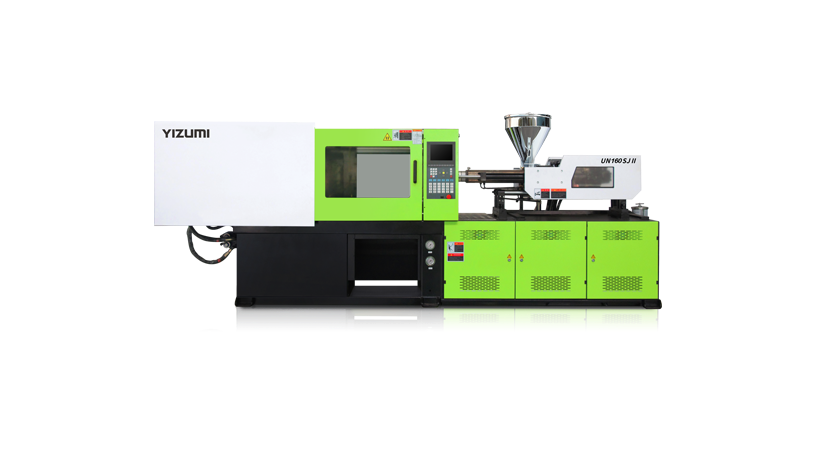
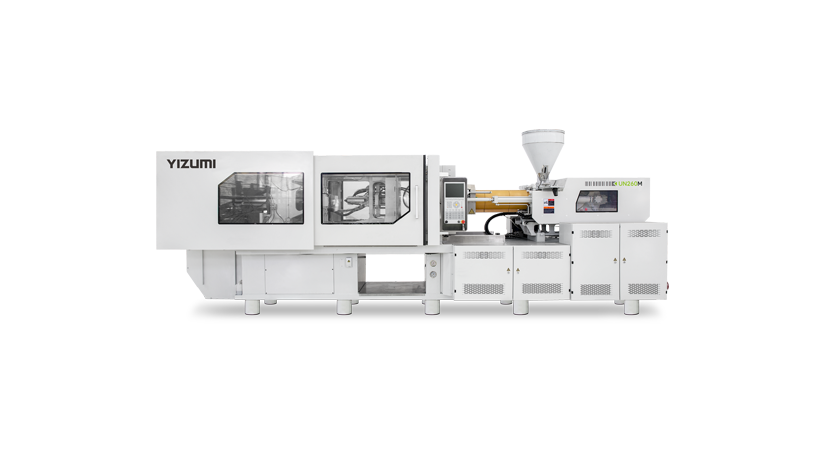
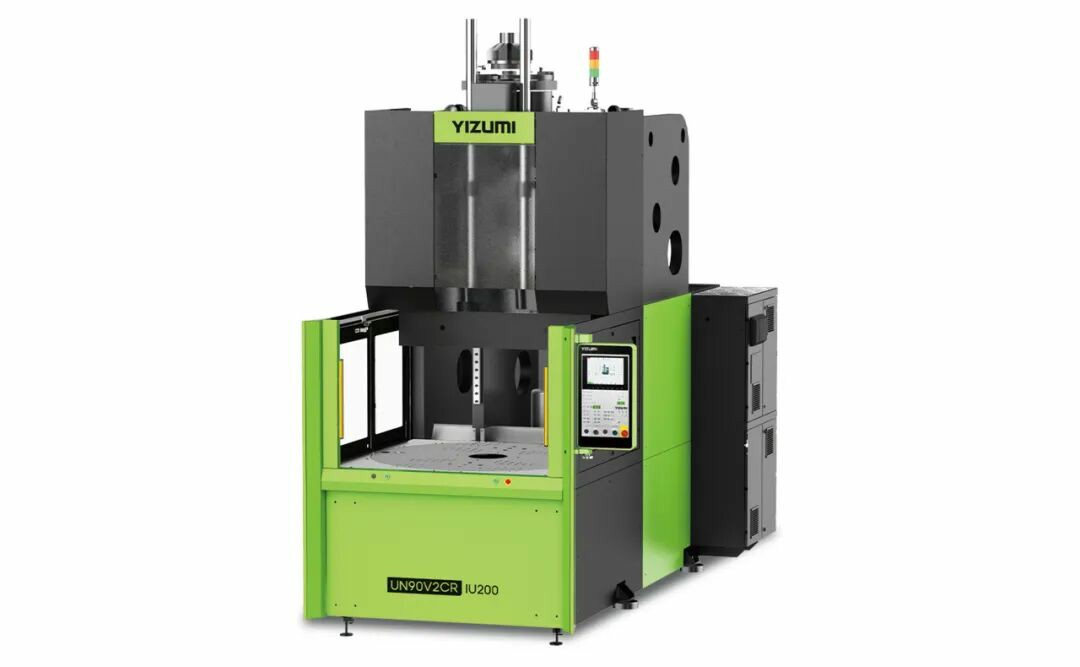
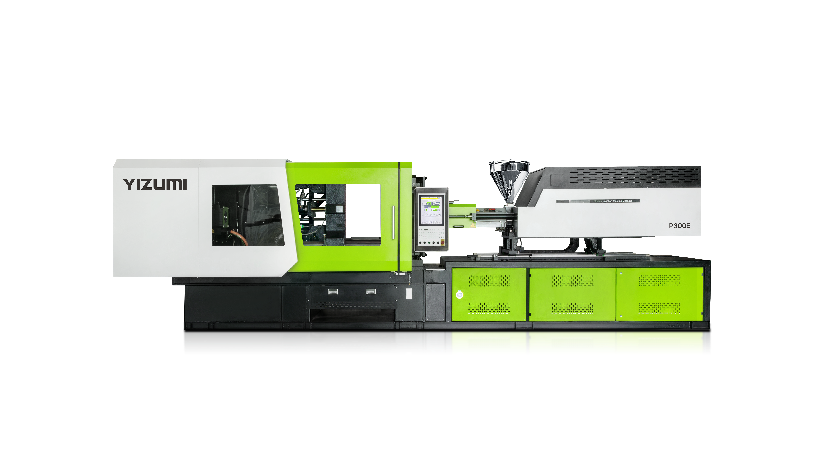
YIZUMI, as a leading LSR injection molding machine manufacturer, provides comprehensive solutions, from material selection to precision manufacturing and post-processing. Their global reputation ensures high-quality, cost-effective production tailored to client needs.
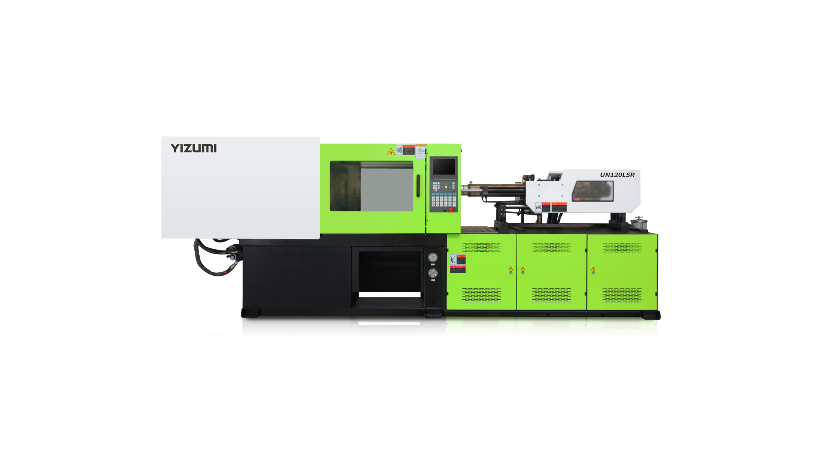
LSR Injection Molding Machine Supplier
Conclusion
LSR injection molding is a powerful, versatile manufacturing process that enables the production of high-precision, durable, and flexible components. With applications across medical, automotive, electronics, and industrial sectors, it is increasingly becoming the go-to solution for manufacturers requiring complex rubber parts. Understanding the process, benefits, and considerations of LSR injection molding allows businesses to make informed decisions, optimize production, and deliver high-quality products.
For companies seeking a trusted LSR injection molding partner, YIZUMI offers end-to-end solutions backed by advanced technology and industry expertise. Leveraging their experience can help businesses achieve precision, reliability, and efficiency in every project.