Thin-Wall Injection Molding: Common Challenges & How to Overcome Them
Abstract:
Thin-wall injection molding enables the production of lightweight, high-precision parts for industries ranging from packaging to electronics and automotive. While challenges such as flow issues, warpage, high clamping forces, and thermal management exist, they can be mitigated through proper material selection, advanced mold design, process optimization, and high-performance machinery.
Thin-wall injection molding has become an essential manufacturing process for producing lightweight, high-precision components across packaging, electronics, automotive, and medical industries. Its ability to reduce material usage while maintaining structural integrity allows businesses to lower costs, increase efficiency, and improve sustainability. However, producing thin-wall parts presents unique technical challenges that require specialized machinery, careful planning, and precise process control.
Understanding Thin-Wall Injection Molding
Thin-wall injection molding refers to manufacturing parts with walls thinner than conventional standards, often below 1 mm. These parts demand high-speed injection, precise pressure control, and uniform cooling to ensure consistent quality. Compared to traditional injection molding, thin-wall molding offers:
Reduced Material Consumption: Thinner walls reduce polymer usage, lowering production costs.
Faster Cycle Times: Thin parts cool more quickly, accelerating production.
Lighter Products: Ideal for packaging, consumer electronics, and automotive components.
Enhanced Design Flexibility: Enables production of complex geometries with minimal weight.
Despite these benefits, thin-wall molding requires careful attention to machine capability, material properties, mold design, and processing parameters. Failure to address these factors can result in defects, high scrap rates, and lower productivity.
YIZUMI Injection Molding Solutions For Mobile Phone Frame
Common Challenges in Thin-Wall Injection Molding
1. Material Flow and Filling Issues
Thin-wall components often require molten plastic to travel quickly through narrow cavities. Insufficient flow can lead to:
Short Shots: Incomplete filling of the mold cavity.
Flow Lines: Visible defects caused by uneven material distribution.
Material Degradation: High shear during rapid filling can burn or degrade the polymer.
Solutions:
- Use low-viscosity polymers suitable for high-speed injection molding.
- Optimize gate location, size, and number to balance flow throughout the mold.
- Select machines capable of precise, high-speed injection while maintaining consistent pressure.
Example: In the electronics industry, thin-wall housings for connectors or switches require uniform flow to prevent structural weak points, as even small defects can lead to failure during assembly.
2. Warpage and Dimensional Instability
Thin walls are highly sensitive to uneven cooling, resulting in:
- Warpage or bending of parts.
- Sink marks in areas with thicker sections.
- Dimensional variations affecting assembly and performance.
Solutions:
- Maintain uniform wall thickness wherever possible.
- Use mold flow simulation software to predict stress and optimize cooling channel placement.
- Ensure precise temperature control for mold surfaces to reduce thermal gradients.
Tip: Even minor variations in cooling rates can cause defects in automotive dashboards or thin-walled containers, emphasizing the importance of accurate thermal management.
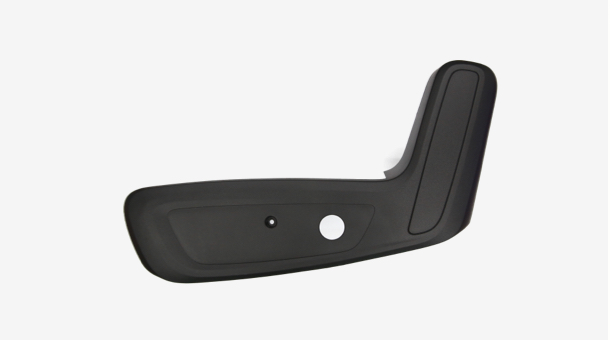
Injection Molding Solutions For Auto Parts
3. High Clamping Force Requirements
Thin-wall injection molding typically requires rapid, high-pressure filling. This can place stress on molds and machines, potentially leading to:
- Platen deformation.
- Excessive wear on tie bars and mold guides.
- Reduced machine life if not properly managed.
Solutions:
- Use machines with high-rigidity clamping units to maintain precision under pressure.
- Implement extended tie bar guides to improve platen stability.
- Regularly inspect molds and machine components to prevent premature wear.
High-precision clamping is crucial for manufacturing lightweight injection molded parts used in medical devices, where tolerance errors can be unacceptable.
4. Screw and Injection Unit Challenges
Consistent plasticizing and color mixing are essential for high-quality thin-wall parts. Standard screws may:
- Fail to provide uniform mixing.
- Produce color inconsistencies.
- Increase cleaning difficulty during color changes.
Solutions:
- Upgrade screw designs to improve mixing and plasticizing efficiency.
- Use flexible screw options (e.g., D26 for larger models) to handle diverse materials.
- Maintain the injection unit for consistent shot quality and minimal downtime.
5. Thermal Management and High Cycle Times
Although thin walls cool faster than thicker parts, rapid production cycles can generate thermal stress, affecting:
- Mold longevity.
- Part quality, especially in high-precision applications.
- Energy consumption in heating and cooling systems.
Solutions:
- Integrate energy-efficient heating and cooling systems to maintain stable mold temperatures.
- Apply process controls to balance cycle time with quality standards.
- Select materials with predictable shrinkage to reduce warpage.
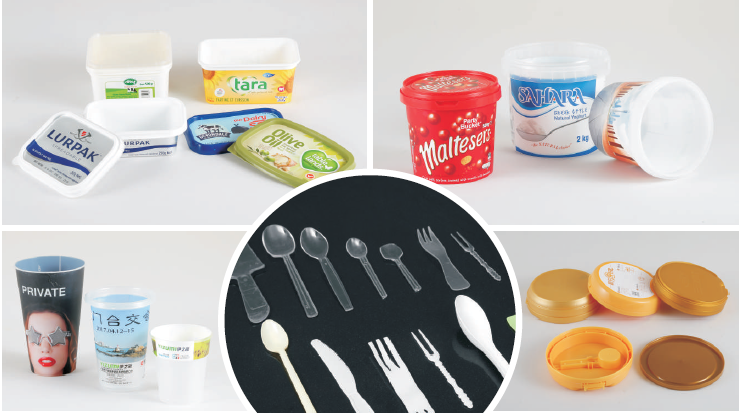
Thin-wall Injection Molding for High-speed Packaging
Best Practices for Consistent Thin-Wall Molding
Material Selection: Choose polymers with low viscosity, low shrinkage, and high impact resistance.
Mold Design: Focus on uniform wall thickness, strategic gate placement, sufficient venting, and optimized cooling channels.
Process Optimization: Fine-tune injection speed, pressure, and cooling. Use simulation software to predict potential defects.
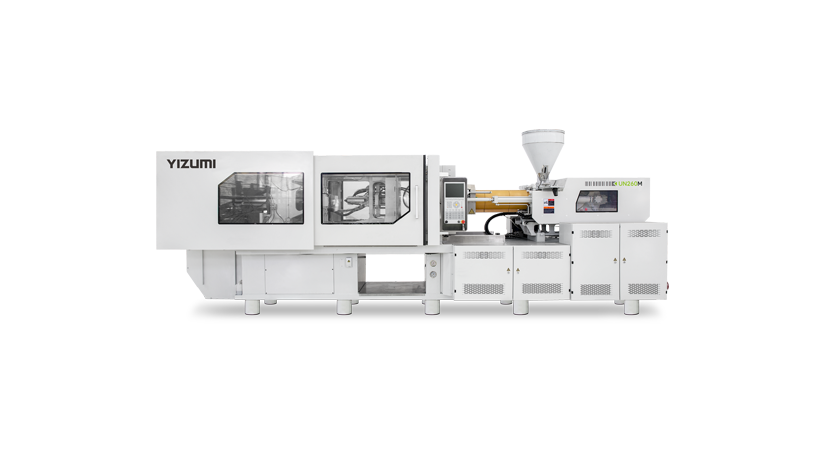
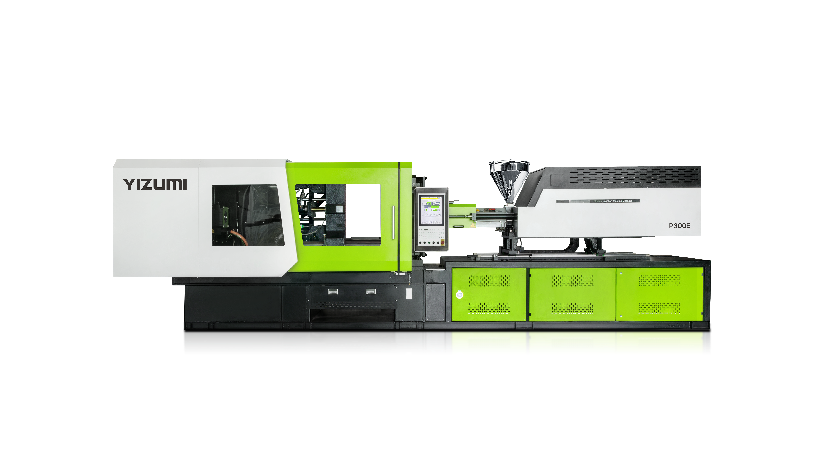
Machine Selection: Invest in machines designed for high-speed, high-precision thin-wall molding. High-performance injection units and energy-efficient systems improve productivity.
Quality Control: Implement in-line inspection systems to detect defects early, ensuring consistent production quality.
YIZUMI Injection Molding Machine for High-End Thin-Wall Products
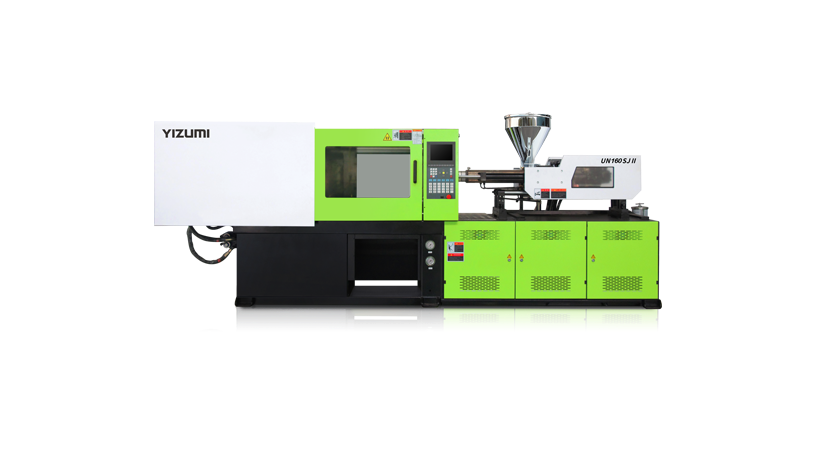
YIZUMI’s SJII Series Injection Molding Machine provides advanced solutions for high-end thin-wall applications. With clamping forces ranging from 900 to 1,600 kN, the SJII series delivers precision, speed, and efficiency for manufacturers producing thin-wall plastic components.
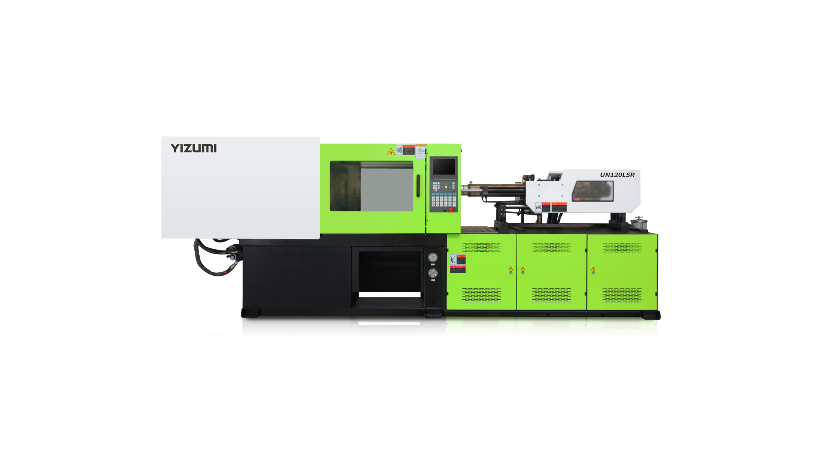
Injection Molding Machine for Thin-wall plastic products
Key Advantages:
High-Rigidity Clamping Unit: Reduces platen deformation, ensuring uniform clamping force and precise molding.
T-Slot and Mold Mounting Holes: Facilitate easy mold installation while enhancing platen rigidity.
Extended Tie Bar Guides: Improve movable platen stability, reducing wear during mold operation.
Optimized Injection Unit: Upgraded screws enhance plasticizing, mixing, and color uniformity, supporting larger D26 screw models.
User-Friendly Design: Double carriage cylinders increase injection accuracy, and energy-saving plasticizing barrels reduce heating costs by 5%-8%.
The SJII series helps manufacturers overcome common thin-wall challenges, producing consistent, high-quality components efficiently.
Conclusion
Thin-wall injection molding enables the production of lightweight, high-precision parts for industries ranging from packaging to electronics and automotive. While challenges such as flow issues, warpage, high clamping forces, and thermal management exist, they can be mitigated through proper material selection, advanced mold design, process optimization, and high-performance machinery.
Investing in solutions like YIZUMI’s SJII Series Injection Molding Machine allows businesses to consistently manufacture thin-wall components with precision, efficiency, and minimal waste, meeting the demands of modern high-end applications.